AI-generated analysis · Source: theguardian.com · How we produce it
theguardian.com · · GB
Failure of Cop31 prompts calls for urgent reform of UN climate summits
The full article is on the original publisher site.
AI insight
AI-generated
The failure of the COP31 climate summit in Antalya, Turkey, to secure a major agreement has spurred international experts and scientists to demand significant reforms to the UN's climate summit decision-making process. The inability to reach a consensus, particularly regarding fossil fuels, highlighted the limitations of the current system in addressing the urgency of the climate crisis. Calls are mounting for structural changes to move beyond incremental promises toward enforceable action.
The article describes a political failure at a UN climate summit, focusing on the need for governance reform rather than a concrete, immediate commercial mechanism. No specific product price, supply chain disruption, or regulatory change is detailed.
Key Insights
- COP31 failed to produce a major pact due to the requirement for consensus among participating nations.
- Critics argue the final draft was inadequate because it omitted mention of fossil fuels, which they view as appeasing oil-producing states.
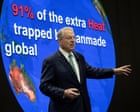
- Al Gore stated that world leaders require a more robust process that reflects current science and the majority's will, moving past minimal agreements.
- The Australian climate minister noted that the consensus-only structure presents a significant challenge, especially when trying to change the consensus itself.
- Experts suggest a shift from merely negotiating commitments to enforcing accountability for those commitments.
- The UN's chief negotiator acknowledged the consensus system fell short in Antalya, despite its past successes like the Paris Agreement.
Affected products & commodities
- (not specified)
Supply-chain signals
- (not specified)
Claims Assessed
- VerifiableThe failure at COP31 exposed the necessity of reforming how the UN's climate summits make decisions.
- VerifiableThe final draft of the agreement was criticized for not addressing the climate crisis adequately and for omitting the term 'fossil fuels'.
- VerifiableThe consensus-based approach, while successful in the 2015 Paris agreement, proved insufficient during the COP31 negotiations.
- VerifiableSome advocates argue the current process allows a few blocking nations to dictate the level of ambition, leading to the lowest common denominator.
Missing Context
The article does not detail the specific proposals for the 'urgent reform' being called for, nor does it provide an assessment of the political feasibility of implementing structural changes to the UN climate convention.
Historical parallels
- (not specified)