tribune.com.pk ·
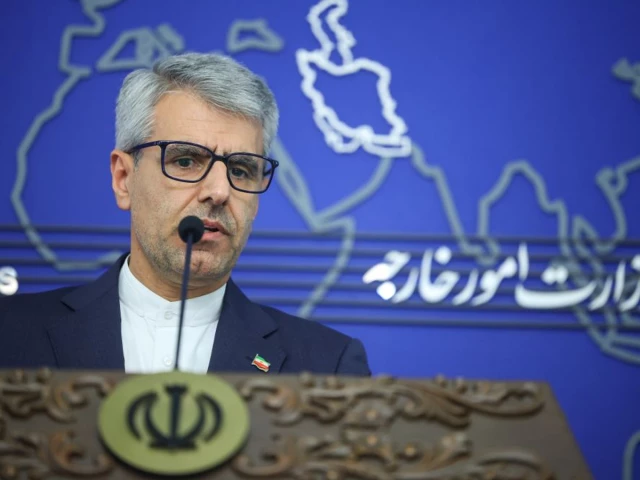
stability undermined in region iranian fm spokesperson
The full article is on the original publisher site. This page only shows the headline and a very short excerpt.
AI insight
AI-generatedThe rejection of Iran's proposal and ongoing tensions threaten oil supply through the Strait of Hormuz, a chokepoint for about 20% of global oil transit. This creates a supply_shortage channel for crude oil and LNG, directly impacting global oil prices and shipping costs. The mechanism is geopolitical risk premium on crude and LNG, with potential physical disruption if conflict escalates. Impact is global, but particularly severe for Asian and European importers reliant on Gulf oil.
Signals our AI researcher identified
Extracted by our AI model from this article and related public sources — not direct quotes from the publisher.
- Iran's proposal to end conflict with US and ensure safe passage through Strait of Hormuz was rejected by President Trump.
- Oil prices surged over $4 a barrel due to concerns about ongoing conflict impacting shipping through Strait of Hormuz.
- Strait of Hormuz is a critical route for global oil transport.
- Iran demands include lifting US blockade, releasing frozen assets, and ensuring regional security.
- Iran is facilitating limited tanker traffic through the Strait.
Global energy indices rise 4-6% on oil spike and geopolitical fear.
Sign in to see all sector verdicts, full thesis and counter-argument debate.
Sector impact at a glance
- GLOBAL_ENERGYmid
- GLOBAL_ENERGYshort
- LNG_NATGASshort
- LOGISTICS_SHIPPINGmid
- LOGISTICS_SHIPPINGshort
- OIL_GAS_UPSTREAMmid
- OIL_GAS_UPSTREAMshort