www.thedailystar.net ·
memories indigo rebellion and the question national identity 4178196
Topic context
This topic has been covered 398262 times in the last 30 days across our monitored publishers.
The full article is on the original publisher site. This page only shows the headline and a very short excerpt.
AI insight
AI-generatedThe article discusses historical indigo production and the Indigo Rebellion, but no current commercial mechanism is identified. The shift to synthetic indigo occurred over a century ago, and the modern economic context in Bangladesh (garment industry, remittances) is unrelated to indigo. No concrete commercial impact on any product, company, or supply chain is present.
Signals our AI researcher identified
Extracted by our AI model from this article and related public sources — not direct quotes from the publisher.
- In 1897, BASF and Hoechst introduced synthetic indigo, shifting production from Bengal.
- The Indigo Rebellion of 1859 involved nearly five million cultivators protesting oppressive practices.
- A 2020-2021 survey across 14 districts in Bangladesh found only 25% of respondents remember the rebellion.
- Agricultural sector's contribution to GDP has drastically decreased in Bangladesh.
- Ready-made garment industry and remittances have become key economic sectors in Bangladesh.
Related stories

foreignpolicy.com
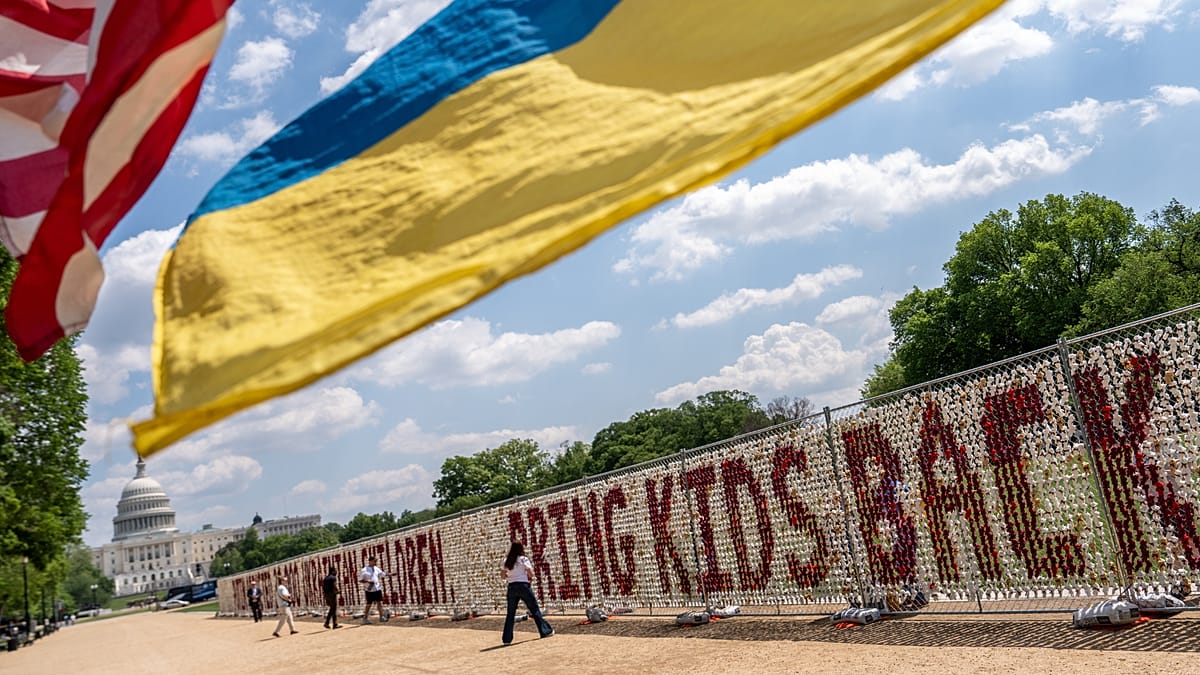
eu sanctions russia abductions ukraine children
finance.yahoo.com
transcript valneva q1 2026 earnings 155143868

marketscreener.com
why are britons so fed up ce7f5bdfdf89f025

economictimes.indiatimes.com
modi in netherlands one firm holds the key to indias chip ambition
euronews.com