www.aol.com ·
inflation america rising faster paychecks 091500061
Topic context
This topic has been covered 370306 times in the last 30 days across our monitored publishers.
The full article is on the original publisher site. This page only shows the headline and a very short excerpt.
AI insight
AI-generatedU.S. inflation outpacing wage growth squeezes consumer purchasing power, particularly for middle- and lower-income households. This directly impacts consumer discretionary and staples sectors via reduced real spending. The war in Iran adds commodity price pressure, but no specific product or company is named. The mechanism is demand-side weakness rather than supply shock.
Signals our AI researcher identified
Extracted by our AI model from this article and related public sources — not direct quotes from the publisher.
- U.S. inflation rate reached 3.8% in April 2026.
- Wage growth is at 3.6%, below inflation for first time in three years.
- Nearly a quarter of households live paycheck to paycheck.
- War in Iran is cited as a contributing factor to inflation.
- Labor market turnover is low due to economic uncertainty.
Mid-term staples face 50-100bps margin compression due to input cost inflation, impacting earnings negatively.
Sign in to see all sector verdicts, full thesis and counter-argument debate.
Sector impact at a glance
- FX_USDmid
- FX_USDshort
- SP500_CONSUMER_DISCmid
- SP500_CONSUMER_STAPLESmid
- SP500_CONSUMER_STAPLESshort
Related stories
finance.yahoo.com
transcript valneva q1 2026 earnings 155143868

mondaq.com:443
weekly sanctions update may 4 2026
nwaonline.com
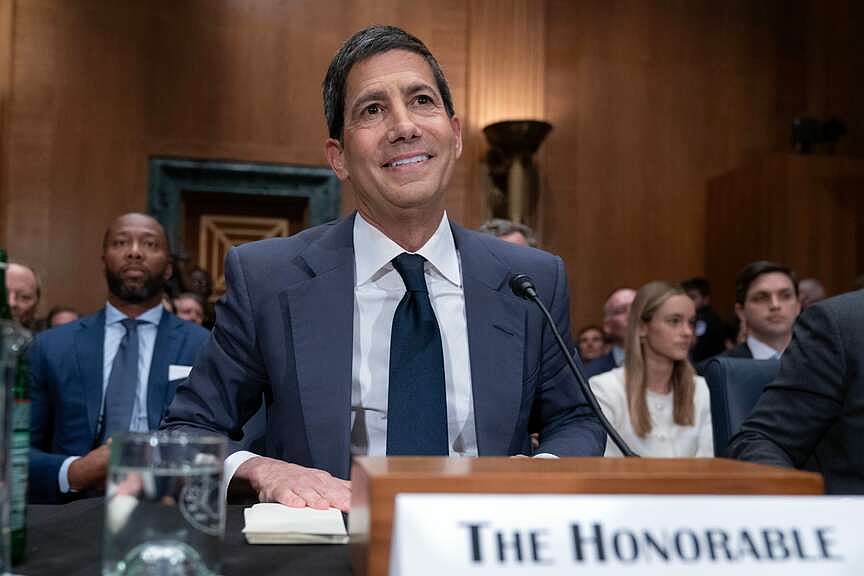
warsh okd by us senate as fed leader

manilatimes.net
auddia submits s 4 for merger with thramann holdings establishing mccarthy finney as a unified ai platform
finance.yahoo.com