economictimes.indiatimes.com ·
EU Targets India Based Companies in Major Sanctions Package Against Russia
News Analysis — AI Analysis
Original analysis generated by News Analysis. This is our own commentary on the story, not the publisher's article text.
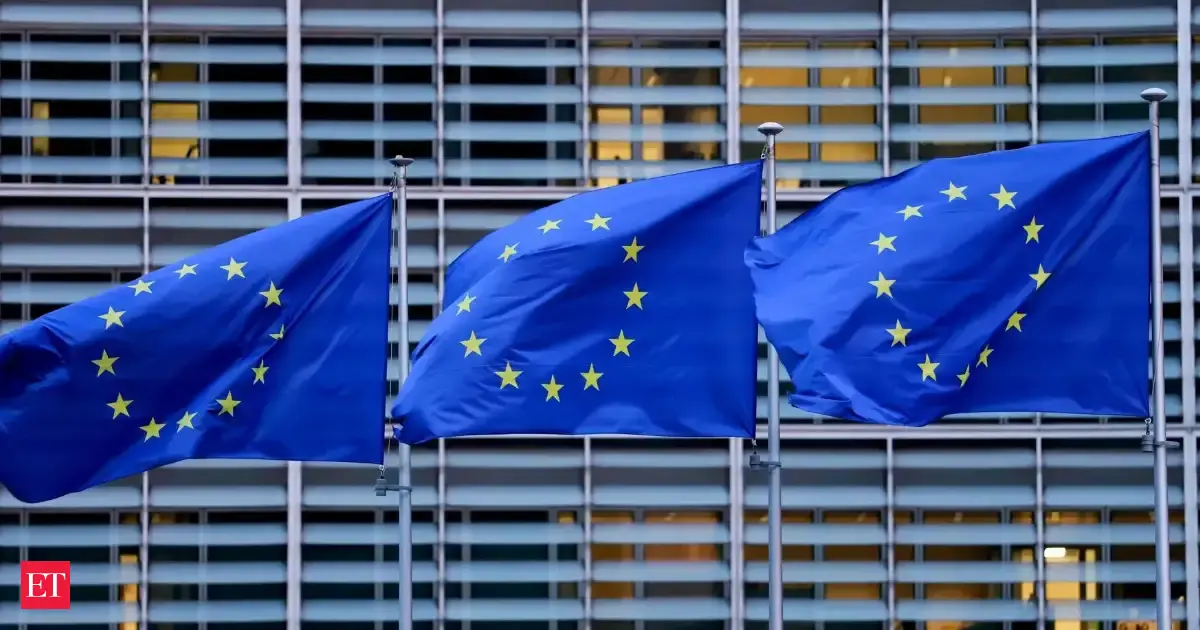
The European Union has proposed a major sanctions package against Russia, which includes new export-control restrictions affecting companies in several countries, including India. These measures aim to weaken Russia's war economy by targeting entities that allegedly support its military-industrial complex and help it evade existing sanctions.
Key points
- The EU plans to impose export controls on 50 entities across multiple nations, including India, China, Türkiye, Kazakhstan, and the UAE.
- The proposed package targets sectors such as drone manufacturing, oil trading, weapons production, and cryptocurrency operations used for sanctions evasion.
- Restrictions will cover key materials like nickel powders, metals, high-performance alloys, certain automobile parts, and precious-metal ores.
- The EU is also proposing a temporary freeze on the Russian oil price cap and designating institutions involved in generating revenue for Moscow.
Claims assessed
- VerifiableIndia-based companies are among 50 entities that could face new European Union export restrictions as part of the proposed sanctions package against Russia.
- VerifiableThe EU's goal with this sanctions package is to restrict networks supporting Russia’s military-industrial complex and prevent Moscow from circumventing existing sanctions.
- VerifiableThe proposed measures include restricting exports of materials vital for Russia's defense and industry, such as nickel powders and high-performance alloys.
Missing context
The article notes that the sanctions package requires approval from all EU member states before formal adoption; it does not specify when or if this approval is expected.
Topic context
The full article is on the original publisher site.
AI insight
AI-generatedEU sanctions push auto component and tech suppliers to face immediate compliance costs, causing short-term margin pressure across EM_INDUSTRIALS and GLOBAL_TECH. The most durable risk is the mid-term need for supply chain restructuring (EM_INDUSTRIALS) and regulatory overhauls (GLOBAL_TECH), which will compress margins by 50-100bps. Main risk: if alternative, non-sanctioned buyers can rapidly absorb volume, the structural margin compression thesis fails.
The EU's proposed sanctions package against Russia introduces export controls on technologies (e.g., for drone manufacturing) and restricts trade in key inputs like auto parts and precious metals. This directly impacts Indian companies operating in these sectors, potentially increasing their compliance costs and restricting access to Western markets/components. The mechanism is regulatory restriction targeting specific supply chains.
Signals our AI researcher identified
Extracted by our AI model from this article and related public sources — not direct quotes from the publisher.
- EU proposes 21st sanctions package against Russia.
- Sanctions target 50 entities, including those based in India.
- Restrictions cover drone manufacturing and critical materials/technologies.
- Targeted imports include automobile parts and precious-metal ores.
Affected products & commodities
- Automobile components
- Precious-metal ores
- Drone manufacturing technologies
- Critical materials
Supply-chain signals
- EU export controls on technology and dual-use goods
- Indian companies' reliance on EU/Western markets for exports or inputs
Historical parallels
- Previous rounds of sanctions (e.g., against Russia) have led to global supply chain fragmentation, forcing affected industries (like automotive and metals) to rapidly diversify sourcing and increase inventory buffers for critical components.
This analysis would be wrong if
If major commodity/tech suppliers successfully demonstrate that existing global trade relationships and diversified buyer bases (outside the EU bloc) are sufficient to fully bypass sanctions compliance friction without material cost increases.
Mid-term, precious metal suppliers face structural market access risks for precious-metal ores; therefore COMMODITY_METALS is affected down.
Sign in to see all sector verdicts, full thesis and counter-argument debate.
Sector impact at a glance
- COMMODITY_METALSmid
- COMMODITY_METALSshort
- EM_INDUSTRIALSmid
- EM_INDUSTRIALSshort
- GLOBAL_TECHmid
- GLOBAL_TECHshort
Related stories

redpepper.co.ug
Operation Maliza Ufisadi Gen Muhoozi and the Generational Mission Before Our Hands

aljazeera.com
Iran War Day 103 US Strikes After Helicopter Shot Down Tehran Hits Back
moneycontrol.com
EU Wants to Punish Indian Firms Over Russia Links Delhi May Ask What About Your Gas Imports

bnn-news.com
Trump and Netanyahu Wanted to Transform the Middle East Got a Long Term Crisis

pressenza.com