www.theguardian.com ·
Heatwaves Britain 2052 Sleep Hot Houses Water Climate

Topic context
This topic has been covered 279423 times in the last 7 days across our monitored publishers.
The full article is on the original publisher site.
AI insight
AI-generatedThe article describes a future scenario (2052) of extreme heat in the UK leading to water rationing, power outages, and food shortages. Commercial mechanisms are weak as the article is a speculative scenario, not a current event. However, it highlights potential long-term risks for water utilities (infrastructure stress), agriculture (crop failure), and consumer staples (food supply). No immediate price or margin impact is identifiable.
Signals our AI researcher identified
Extracted by our AI model from this article and related public sources — not direct quotes from the publisher.
- London temperatures ~40°C for six consecutive days in 2052 scenario
- Water rationing in southeast England due to prolonged droughts
- Power outages due to infrastructure failure under heat
- UK faces significant food shortages from failed harvests and reduced imports
- UK Climate Change Committee warns of daily water shortfall of 5 billion liters by 2050
Mid-term impact on UK agriculture is flat as scenario is speculative; no immediate supply disruption.
Sign in to see all sector verdicts, full thesis and counter-argument debate.
Sector impact at a glance
- AGRICULTURE_FOODmid
- CONSUMER_STAPLESmid
- UTILITIESmid
Related stories

businesstoday.in
Uday Kotak Ashok Khade Satyanarayan Nuwal Tt Jagannathan Industrialists Honoured With the Padma Awards 533311 2026 05 26
straitstimes.com
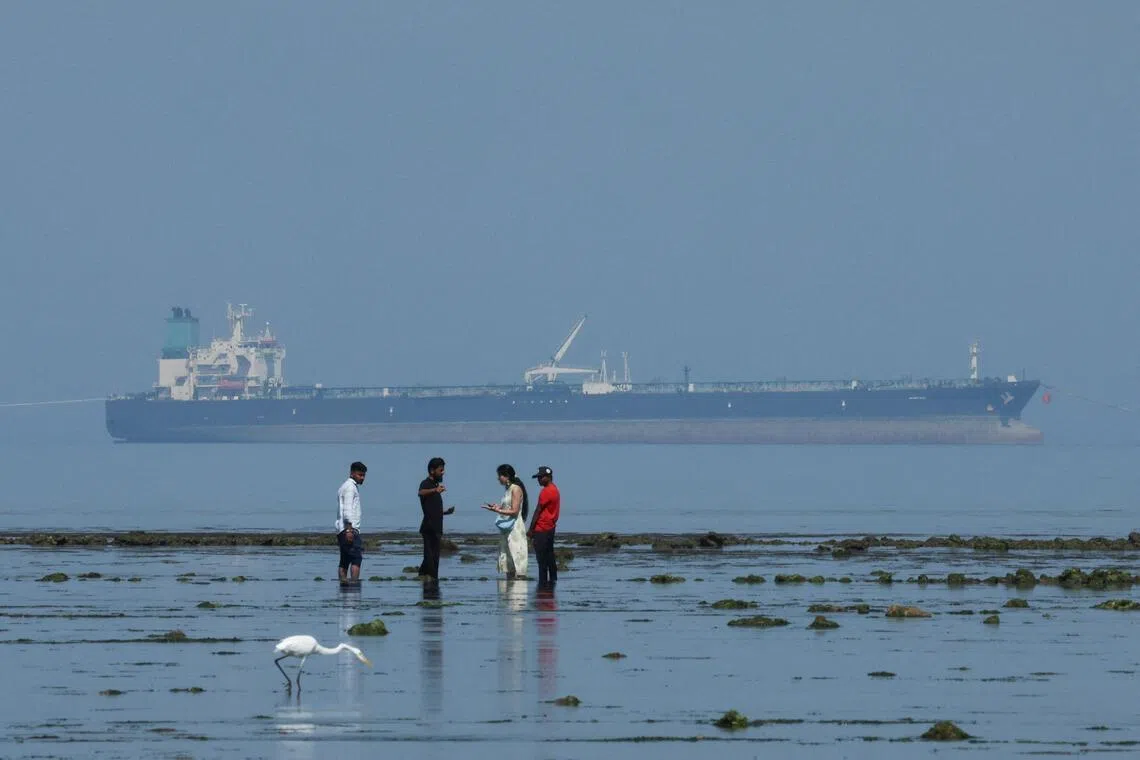
Explainer What Is Behind the Rising Volume of Russian Oil Arriving in Spore
stockhouse.com
Caution With Biontech Novo Nordisk Accelerates Buying Opportunity Vidac Pharma

investordaily.com.au
The Viewpoint Competing Forces AI Versus Iran
trak.in