www.shz.de · · DE
Wenig Tarifbindung Deutschland Hinkt EU Vorgaben Hinterher
News Analysis — AI Analysis
Original analysis generated by News Analysis. This is our own commentary on the story, not the publisher's article text.
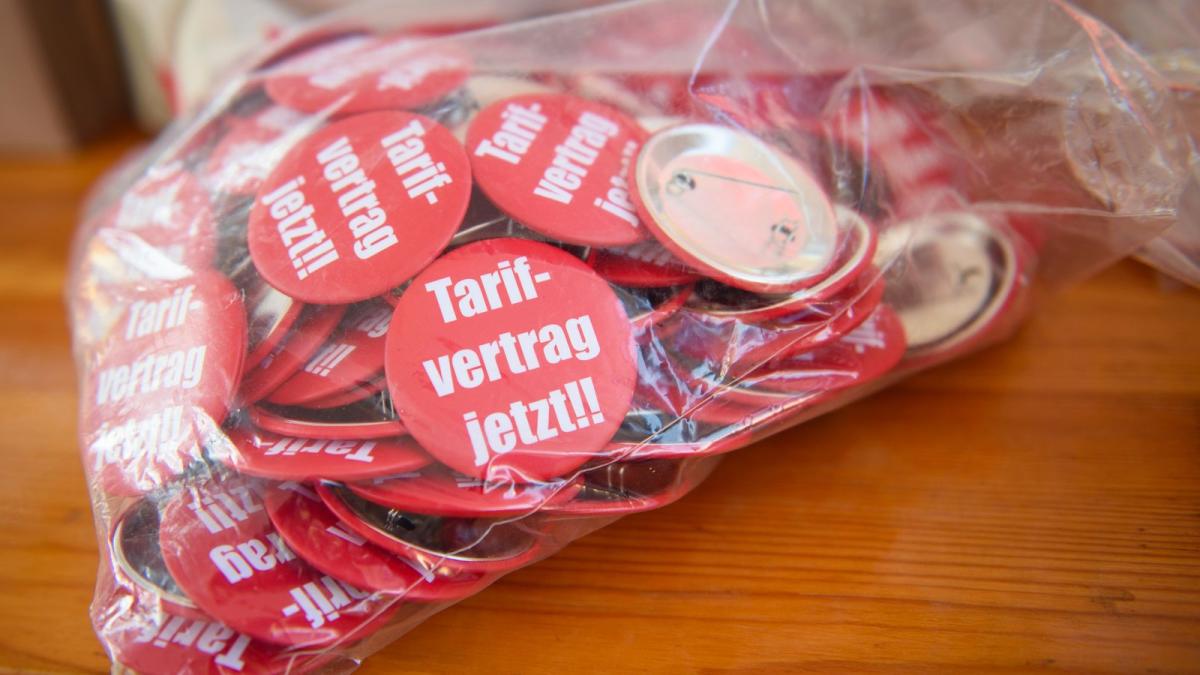
A study by the Hans-Böckler Foundation's WSI criticizes Germany for having a low rate of collective bargaining coverage, noting that only about half of employees work in unionized companies. Furthermore, despite EU requirements and political commitments, the German government has failed to submit a required national action plan.
Key points
- Germany ranks poorly compared to other EU nations regarding collective bargaining coverage, with only 49% of employees covered.
- The EU Minimum Wage Directive requires countries with less than 80% coverage to present an action plan to the European Commission.
- As of the article's date, Germany is one of six EU member states that has not submitted the mandated national action plan.
- The WSI suggests that a proper action plan should encourage industry-wide negotiations and provide concrete incentives for employers to join collective agreements.
- While some countries have submitted plans, the WSI criticizes many existing proposals for relying on non-binding information campaigns.
Claims assessed
- VerifiableOnly about half of employees in Germany work in companies covered by collective bargaining agreements.
- VerifiableThe EU Minimum Wage Directive requires countries with less than 80% coverage to submit an action plan.
- VerifiableGermany is one of six EU nations that has not submitted the required national action plan, despite the deadline passing in late 2025.
- VerifiableThe German government failed to reach an agreement on a national action plan after a meeting in November 2025.
Missing context
The article does not specify the exact economic or social consequences of Germany's low collective bargaining coverage rate (49%) on wages or overall worker welfare. It also does not detail the specific political hurdles preventing the government from finalizing the action plan.
Topic context
Related topics
The full article is on the original publisher site.
AI insight
AI-generatedThe article discusses Germany's tariff binding falling behind EU requirements but lacks any specific commercial mechanism (e.g., price change, supply disruption, investment announcement, or regulatory fine/incentive) that directly impacts a product, commodity, or company margin. The focus is purely on policy compliance.
Signals our AI researcher identified
Extracted by our AI model from this article and related public sources — not direct quotes from the publisher.
- (not specified)
Affected products & commodities
- (not specified)
Supply-chain signals
- (not specified)
Related stories

express.co.uk
Keir Starmers War Petrol Cars

timesofindia.indiatimes.com
Dalal Street Outlook Inflation Fed Verdict and Crude Oil in Focus US Iran Deal Hopes to Steer Market Sentiment

cnn.com
The Milkman

newsx.com
India Approves 100 Ethanol Fuel What It Means for Your Car Petrol Prices Indias Rs 22 Lakh Crore Import Bill
hurriyetdailynews.com