wsvn.com ·
Trump Calls Off Latest Threats to Strike Iran Citing Progress in Negotiations
News Analysis — AI Analysis
Original analysis generated by News Analysis. This is our own commentary on the story, not the publisher's article text.
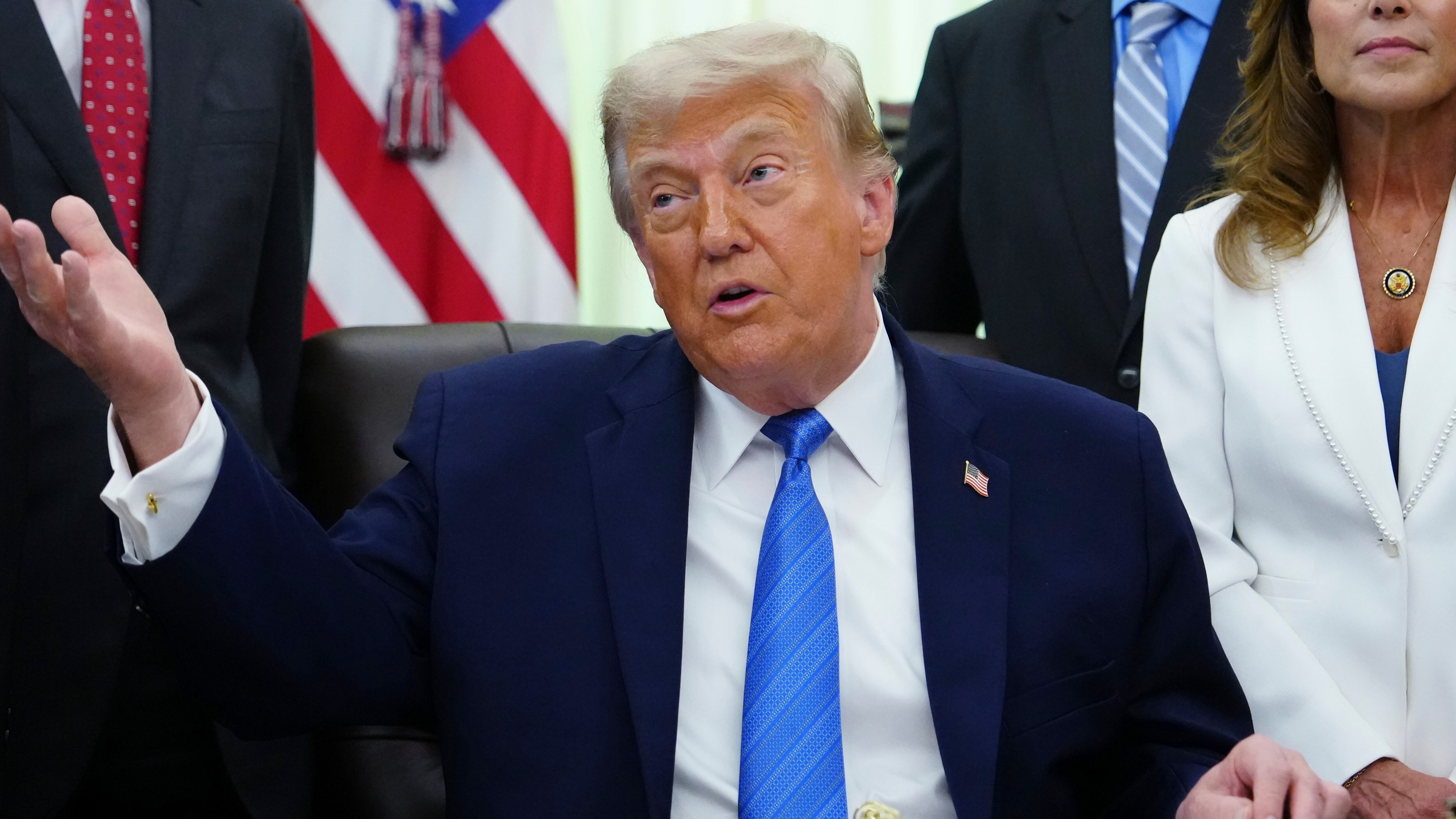
Donald Trump announced that he has canceled recent threats to conduct military strikes on Iran, including seizing control of its oil industry. He stated this decision was based on progress made in high-level discussions involving regional allies and the Islamic Republic of Iran. The announcement followed two days of escalating tensions and back-and-forth attacks between the U.S. and Iran.
Key points
- Trump called off military strikes against Iran after citing advancements in negotiations with Iranian leadership.
- The threats included seizing control of key infrastructure, such as Kharg Island, which handles 90% of Iran's oil exports.
- This announcement followed a period of heightened regional tension and reciprocal attacks between the U.S. and Iran.
- Trump has repeatedly expressed frustration over stalled negotiations, warning that Tehran would face consequences for delays.
Claims assessed
- VerifiableDonald Trump canceled threats to strike Iran after progress was made in high-level discussions with Iranian leadership.
- VerifiableTrump threatened to seize Kharg Island, a critical location for 90% of Iran's oil exports.
- VerifiableThe recent escalation between the U.S. and Iran occurred after earlier attacks involving Israel.
Missing context
The article does not provide details on the specific progress made in the negotiations or what concrete agreements were reached with Iran and its regional allies.
Topic context
The full article is on the original publisher site.
AI insight
AI-generatedDe-escalation between the US and Iran reduces immediate geopolitical risk premiums for global energy assets. Brent/WTI are expected to see a modest downward adjustment (0-2%) within 48 hours, while maintaining stability in the medium term. Key risk: if commodity pricing incorporates stability gradually rather than executing a sharp sell-off.
The de-escalation signal regarding potential military action against Iran's energy infrastructure (oil/gas) reduces geopolitical risk premiums for global oil and gas markets. This primarily affects commodity pricing, suggesting a reduction in expected supply disruption costs and stabilizing the regional supply chain.
Signals our AI researcher identified
Extracted by our AI model from this article and related public sources — not direct quotes from the publisher.
- Trump called off military strikes on Iran.
- Strikes were previously threatened over seizing control of Iran's oil industry.
- The decision was based on high-level discussions with Iranian leadership.
- Threats had escalated tensions between the U.S. and Iran.
Affected products & commodities
- Iranian crude oil
- Natural gas (Iran)
- Global benchmark crude oils (Brent/WTI)
Supply-chain signals
- Middle East energy transit stability
- Oil and Gas infrastructure security in the Persian Gulf region
Historical parallels
- Previous de-escalation periods following regional tensions typically lead to a temporary dip or stabilization of oil price volatility (VIX/oil correlation).
This analysis would be wrong if
If physical inventory data or OPEC+ announcements suggest an unexpected supply glut or demand collapse, overriding the geopolitical de-escalation signal.
The de-escalation provides stability but does not alter fundamental global demand or supply capacity. Brent/WTI are expected to trade in a stable band over the next 2-4 weeks.
Sign in to see all sector verdicts, full thesis and counter-argument debate.
Sector impact at a glance
- COMMODITY_OILmid
- COMMODITY_OILshort
- GLOBAL_ENERGYmid
- GLOBAL_ENERGYshort
Related stories

marinelink.com
US Sanctions Cuban State Oil Company

thestar.com.my
Spacex IPO Makes Elon Musk the World039s First Trillionaire
yalibnan.com
Spacex IPO Makes Elon Musk the Worlds First Ever Trillionaire

punchng.com
June 12 Lives on
wsaw.com