investinglive.com:443 ·
chevron chief compares hormuz crisis to 1970s oil shocks as shortages loom 20260505
The full article is on the original publisher site. This page only shows the headline and a very short excerpt.
AI insight
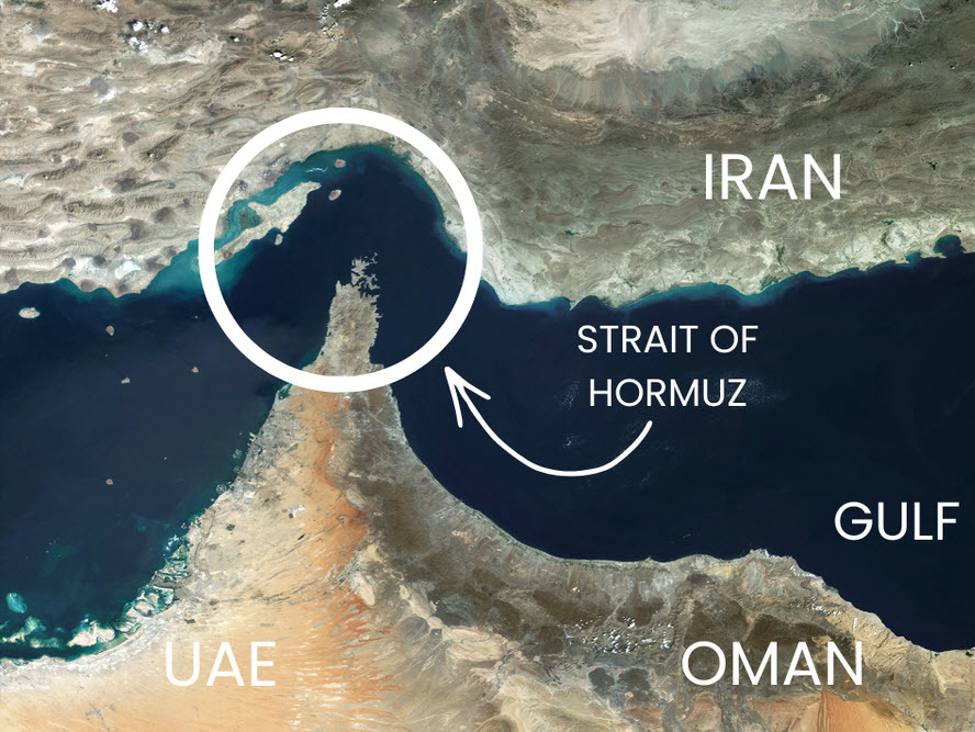
AI-generatedClosure of Strait of Hormuz directly threatens global crude supply, with 20% of seaborne oil at risk. Asian and European refiners face immediate feedstock shortages; U.S. will also feel effects. Channel: supply_shortage. Chevron and other upstream producers benefit from higher prices, but downstream refiners face margin squeeze if crude costs rise faster than product prices. Logistics/shipping costs spike due to rerouting and war risk premiums. Impact is global, with Asia first affected.
Signals our AI researcher identified
Extracted by our AI model from this article and related public sources — not direct quotes from the publisher.
- Strait of Hormuz carries about 20% of world's seaborne crude supply
- Chevron CEO Mike Wirth warned of imminent global oil shortages
- Asian economies expected to contract first as supply buffers deplete
- Last scheduled Gulf oil shipment offloaded at Port of Long Beach
- CEO compared potential impact to 1970s oil shocks
Sustained energy price elevation as supply scarcity persists, with prices up 10-15% over 2-4 weeks.
Sign in to see all sector verdicts, full thesis and counter-argument debate.