english.aawsat.com ·
5284138 tentative deal reached end iran war and trump orders stop us naval blockade
News Analysis — AI Analysis
Original analysis generated by News Analysis. This is our own commentary on the story, not the publisher's article text.
The United States and Iran reportedly reached an initial agreement to open the Strait of Hormuz and extend a ceasefire in the ongoing conflict. While details are pending a formal signing scheduled for Friday in Switzerland, the deal aims to end the war, which has caused significant regional instability and energy crises. However, major outstanding issues remain, including resolving Iran's nuclear program and addressing Israel's continued military operations against Hezbollah.
Key points
- An initial agreement was reached between the US and Iran to open the Strait of Hormuz and extend a ceasefire in the war.
- The formal signing of the memorandum is scheduled for Friday in Switzerland, though implementation will not begin until that time.
- Key unresolved issues include determining what happens with Iran's highly enriched uranium stockpile and its atomic program within 60 days.
- Israel's ongoing hostilities against Hezbollah in Lebanon nearly derailed the negotiations, as Israel continues military operations in southern Lebanon.
- The deal reportedly calls for the immediate and permanent termination of military operations on all fronts, including Lebanon.
Claims assessed
- VerifiableA tentative agreement was reached between the US and Iran to open the Strait of Hormuz and extend a ceasefire in the war.
- VerifiableThe deal requires resolving outstanding issues regarding Iran's nuclear program within 60 days, similar to previous international agreements.
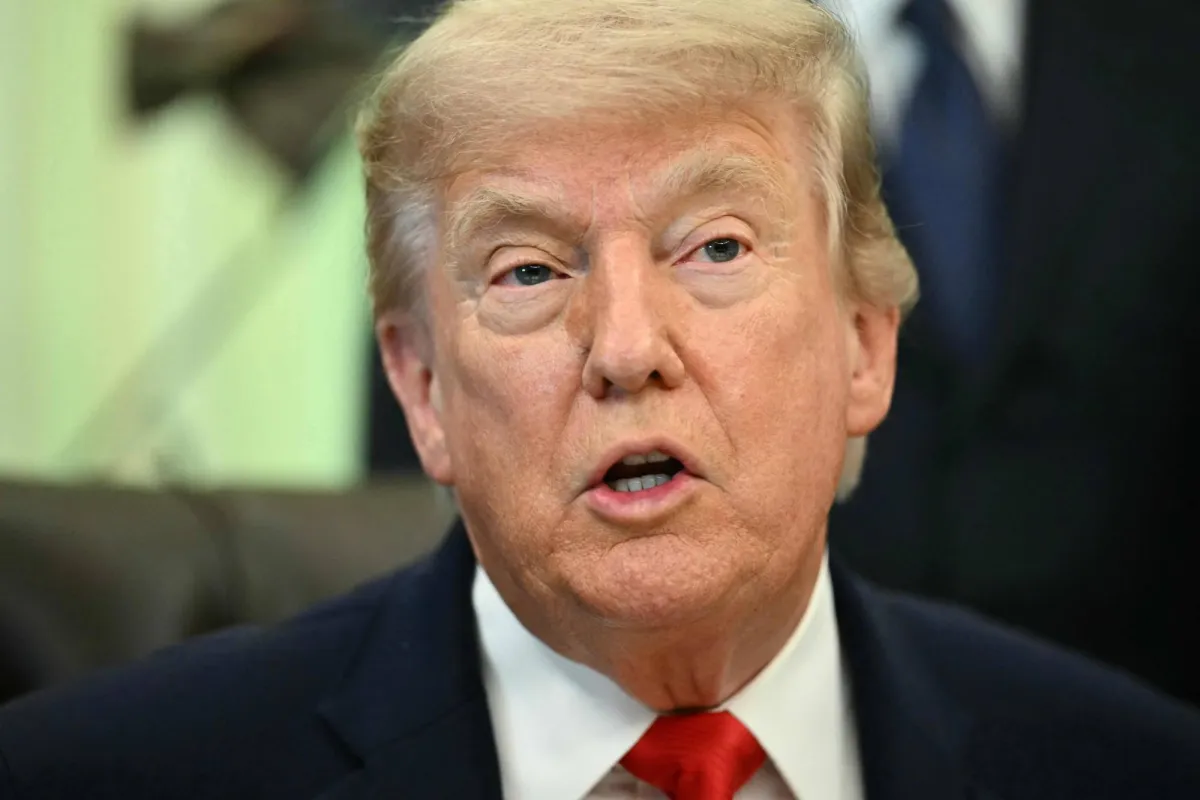
- VerifiableDonald Trump authorized the immediate removal of the US Naval blockade and the opening of the Strait of Hormuz on social media.
Missing context
It is unclear which specific parties or representatives from Iran are expected to sign the deal on Friday. Furthermore, while Pakistan announced termination of operations, it remains unconfirmed whether Israel has agreed to this term, especially given its continued military presence and stated objectives in Lebanon.
Topic context
The full article is on the original publisher site.
AI insight
AI-generatedDe-escalation in the Strait of Hormuz will moderate energy price volatility (GLOBAL_ENERGY/COMMODITY_OIL) by 1-3% over several weeks. The key risk is that structural factors—such as OPEC+ quotas and global demand forecasts—will dampen the magnitude of the expected decline, preventing a sharp, immediate repricing.
The primary commercial mechanism revolves around the expected reopening and stabilization of oil and gas flows through the Strait of Hormuz. This directly impacts global crude oil (Brent/WTI) and natural gas supply, potentially easing input cost pressures for energy-intensive industries globally. The immediate impact is a reduction in geopolitical risk premium priced into commodities.
Signals our AI researcher identified
Extracted by our AI model from this article and related public sources — not direct quotes from the publisher.
- Tentative deal reached between US and Iran to open Strait of Hormuz.
- Ceasefire extension in the 'Iran war' is aimed for.
- Deal aims to address Iran's highly enriched uranium stockpile within 60 days.
- US President Donald Trump authorized lifting of naval blockade on Iran.
Affected products & commodities
- Crude Oil (Brent, WTI)
- Natural Gas
- Oil & Gas Derivatives
Supply-chain signals
- Strait of Hormuz transit stability
- Global energy supply security
Historical parallels
- Previous de-escalation agreements in the Middle East have historically led to a sharp decline in oil price volatility and a moderation of crude prices, though full normalization takes time.
This analysis would be wrong if
If major consumers (China/India) announce significant demand slowdowns or if OPEC+ announces unexpected production increases, these structural factors would negate the temporary geopolitical supply shock.
Improved transit stability through the Strait of Hormuz will cause a moderate decline in natural gas futures. The impact is expected to be muted and delayed due to structural contract support.
Sign in to see all sector verdicts, full thesis and counter-argument debate.
Sector impact at a glance
- COMMODITY_GASshort
- COMMODITY_OILshort
- FX_EMshort
- GLOBAL_ENERGYmid
- GLOBAL_ENERGYshort
Related stories

telecom.economictimes.indiatimes.com
Elon Musk Becomes the Worlds First Trillionaire After Spacex IPO

tribune.com.pk
Political Leadership Welcomes Usiran Understanding Praise Diplomacy

livemint.com
WHO Is Mohammad Bagher Ghalibaf the Key Negotiator Behind US Iran Peace Deal
promptnewsonline.com
Oshiomholes Dangerous Generalisation and the Price Nigeria May Pay
news24.com