www.ipsnews.net ·
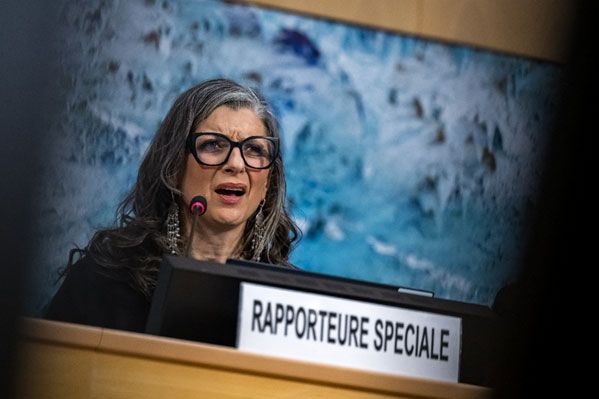
Trump Administration Weaponises Sanctions Against Human Rights
News Analysis — AI Analysis
Original analysis generated by News Analysis. This is our own commentary on the story, not the publisher's article text.
The article details how the Trump administration has allegedly weaponized sanctions against human rights defenders and international bodies. It highlights the case of UN Special Rapporteur Francesca Albanese, whose sanctions were temporarily lifted but later reinstated despite a court ruling. The piece also notes that the US government sanctioned activists involved in humanitarian aid efforts to Gaza and targeted officials from the International Criminal Court (ICC) in retaliation for investigations into Israeli leaders.
Key points
- The Trump administration imposed sanctions on UN Special Rapporteur Francesca Albanese, restricting her financial access and professional affiliations due to her criticism of Israel's occupation policies.
- Albanese’s case demonstrated a pattern where the US uses sanctions against individuals who advocate for human rights, contrasting with traditional use cases against dictators or terrorists.
- The US government sanctioned activists involved in the Global Sumud Flotilla, despite international condemnation of Israel's actions against the aid initiative.
- The Trump administration has previously targeted the International Criminal Court (ICC) by sanctioning its officials and threatening to force revisions to the Rome Statute.
- The article suggests a broader politicization of sanctions, citing examples like the lifting of sanctions on Israeli West Bank settlers as evidence.
Claims assessed
- VerifiableThe US Treasury restored sanctions against UN Special Rapporteur Francesca Albanese after an appeals court suspended a previous ruling that had removed her from the sanctions list.
- VerifiableFrancesca Albanese's criticism of Israel’s occupation and alleged genocide in Gaza led to the US imposing sanctions on her, which restricted her use of financial cards and caused her Washington DC apartment to be seized.
- VerifiableThe Trump administration sanctioned activists involved in the Global Sumud Flotilla, despite international condemnation regarding Israel's interception of aid boats.
- VerifiableThe US government previously sanctioned nine ICC officials after the court issued arrest warrants for crimes against humanity and war crimes charges against Israeli leaders.
Missing context
The article does not provide details regarding the current legal status or effectiveness of the sanctions imposed on Albanese, nor does it offer counterarguments or justifications from the Trump administration concerning their actions against international bodies like the ICC.
Topic context
Related topics
The full article is on the original publisher site.
AI insight
AI-generatedUS sanctions targeting civil society introduce measurable regulatory friction into cross-border financial flows, dampening global banking services and increasing perceived risk in emerging markets. The key risk is that EM resilience from non-Western sources may mitigate the full extent of Western de-risking.
This news describes the US government's use of sanctions, which primarily impacts individual financial freedom and international civil society operations. The commercial mechanism is limited to potential disruption in global banking services (GLOBAL_BANKING) for non-state actors or NGOs operating internationally, potentially increasing compliance costs or limiting operational capacity within specific emerging markets (EM_MARKETS). There is no direct impact on commodity prices, trade volumes, or major corporate margins.
Signals our AI researcher identified
Extracted by our AI model from this article and related public sources — not direct quotes from the publisher.
- US Treasury reinstated sanctions on UN Special Rapporteur Francesca Albanese (May 27, 2026)
- Sanctions severely impacted access to financial services and resulted in property seizure.
- The action is criticized as a politicized use of sanctions against human rights advocates.
Affected products & commodities
- Financial services access
- Real property ownership/seizure
Supply-chain signals
- International financial compliance mechanisms (AML/KYC)
- Global banking network restrictions
Historical parallels
- (not specified)
This analysis would be wrong if
If alternative financing channels (e.g., intra-regional trade or bilateral loans from China/India) prove sufficient to absorb the shock, or if global banking compliance protocols adapt rapidly without passing costs onto clients.
The cost of capital for emerging economies faces sustained upward pressure due to geopolitical de-risking. The sector is affected down.
Sign in to see all sector verdicts, full thesis and counter-argument debate.
Sector impact at a glance
- EM_MARKETSmid
- EM_MARKETSshort
- GLOBAL_BANKINGmid
- GLOBAL_BANKINGshort
Related stories

altoonamirror.com
Ticker US Customs Tariff Refund System Refines
asianews.network
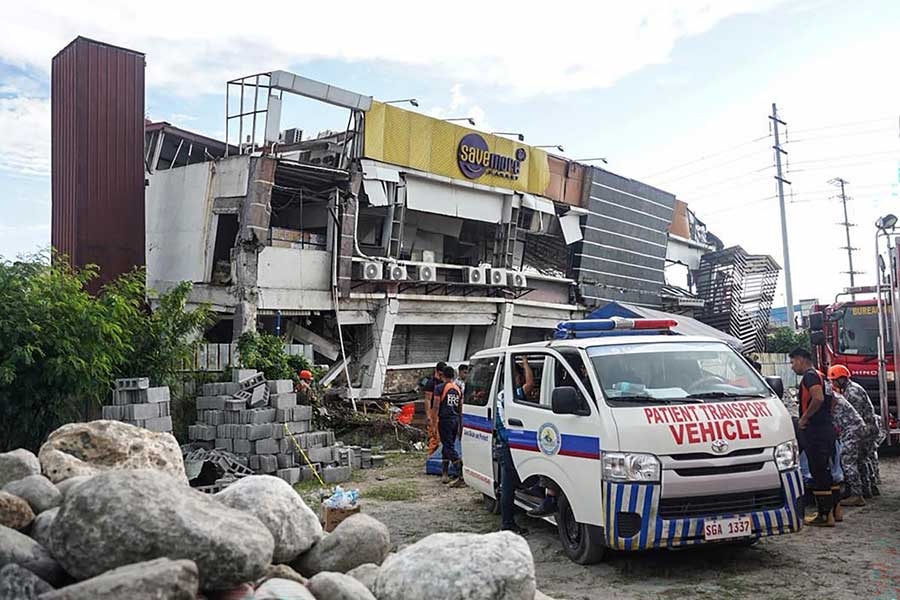
Death Toll in Philippine Quake Exceeds 40 Villages Still Isolated
leadership.ng
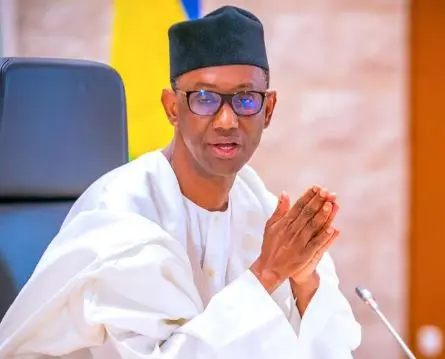
Insecurity Reps Summon Musa Ribadu Service Chiefs

moneycontrol.com
Sensex Today Stock Market Live Updates Nifty50 Share Price Crude Fii Gift Nifty Rupee Latest Updates 10 06 2026 Liveblog
rediff.com