dailypioneer.com ·
Modis 12year Transformation of Indias Development Paradigm

News Analysis — AI Analysis
Original analysis generated by News Analysis. This is our own commentary on the story, not the publisher's article text.
The article argues that Narendra Modi's tenure has fundamentally redefined social justice in India, shifting the focus from mere institutional representation to tangible development and inclusion. This new paradigm posits that true social justice must be measured by access to essential services like housing, healthcare, education, and economic opportunity. The piece highlights specific policies, such as extending OBC reservations in medical admissions and granting constitutional status to the NCBC, as key examples of this transformation.
Key points
- The discourse on social justice has evolved from focusing solely on caste-based representation (reservations) to emphasizing holistic development for all citizens.
- Modi's government framework, 'Sabka Saath,' frames development itself as the primary vehicle for achieving social transformation and inclusion.
- Key policy interventions include extending 27% OBC reservation benefits to medical admissions through NEET, addressing a previous inconsistency in state institutions.
- The government has strengthened institutional protection by granting constitutional status to the National Commission for Backward Classes (NCBC).
- Affirmative action has been expanded beyond traditional caste categories, notably with the introduction of 10% reservation for Economically Weaker Sections (EWS).
Claims assessed
- VerifiableSocial justice in India is no longer solely defined by institutional representation but must also include access to housing, healthcare, education, and economic opportunity.
- VerifiableThe extension of 27% OBC reservation benefits to medical admissions through NEET was a significant policy correction that addressed an inconsistency in previous state-level practices.
- VerifiableGranting constitutional status to the National Commission for Backward Classes (NCBC) provided long-standing institutional protection for backward-class organizations.
Missing context
The article does not provide details on the implementation challenges or efficacy of these policies (e.g., how effectively EWS reservation benefits are being distributed, or the actual impact of constitutional status for NCBC). It also fails to address potential political opposition or alternative models of social justice.
Topic context
The full article is on the original publisher site.
Related stories
newstatesman.com
America Has No Counterculture

morningstar.com
Week Ahead for Fx Bonds Fed Boe Among Slew of Central Bank Decisions
ghanamma.com
Ndlea Uncovers Cocaine in Shirts Towels at Lagos Airport
dailypioneer.com
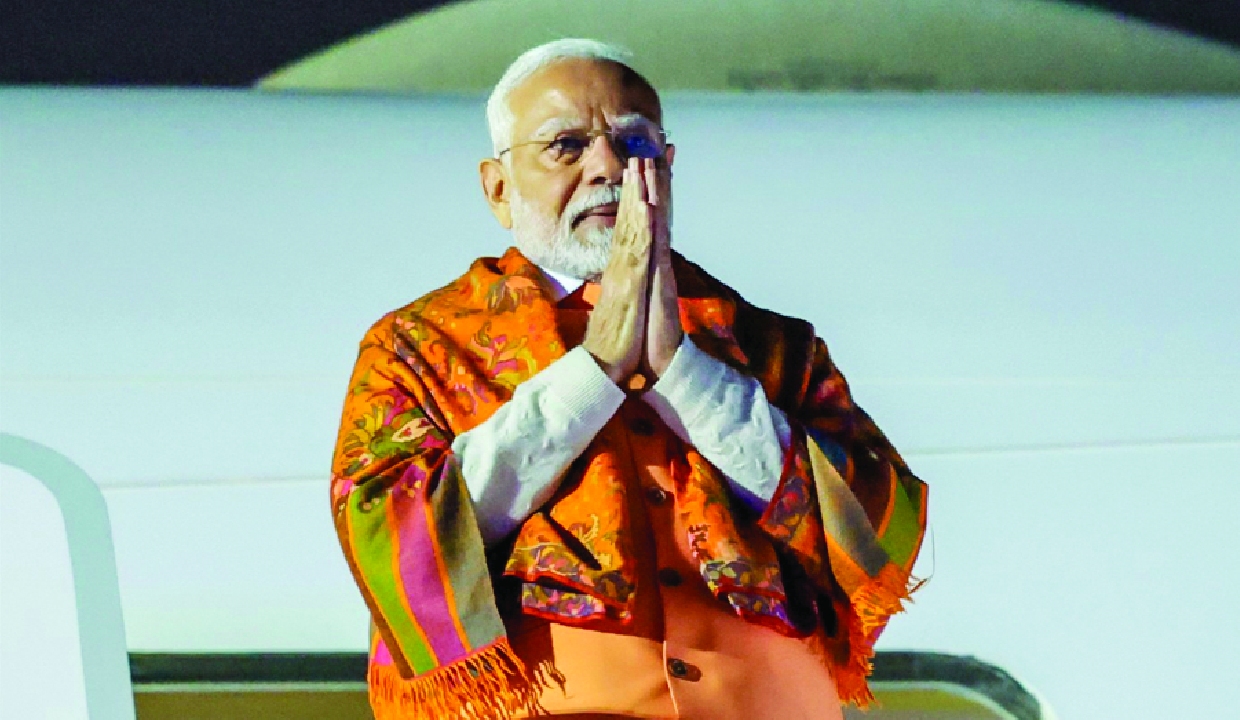
Key Achievements of Prime Minister Narendra Modi in 12 Years of Governance

fnarena.com