www.local10.com ·
Iran and US Reach an Initial Deal to End the War and Open the Strait of Hormuz but Challenges Remain
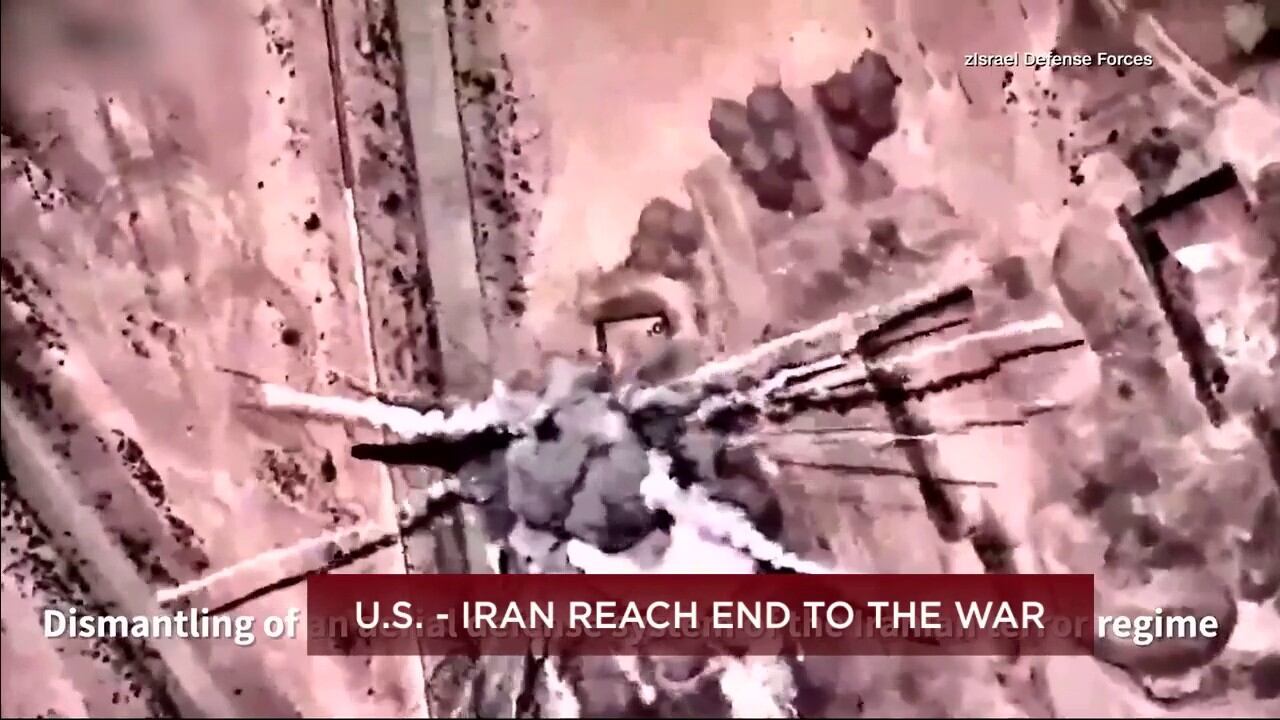
News Analysis — AI Analysis
Original analysis generated by News Analysis. This is our own commentary on the story, not the publisher's article text.
An initial, electronically signed deal between the United States and Iran aims to provide a truce in the Middle East and reopen the crucial Strait of Hormuz. However, the agreement's implementation faces significant hurdles, including ongoing Israeli military operations in Lebanon, unresolved concerns over Iran's nuclear program, and logistical challenges like mines in the strait.
Key points
- The initial US-Iran pact seeks to end a months-long war and reopen the Strait of Hormuz, which is vital for global oil and gas supply.
- Israel remains outside the deal but continues military operations in southern Lebanon against Iranian-backed Hezbollah forces.
- A major sticking point is Iran's highly enriched uranium stockpile; the agreement gives Tehran 60 days to decide its fate.
- The reopening of the Strait of Hormuz and lifting of the blockade will not be immediate, pending a formal signing ceremony and addressing physical obstacles like mines.
- Israeli Prime Minister Netanyahu emphasized that Israel has distinct interests, particularly maintaining its presence in Lebanon for defense.
Claims assessed
- VerifiableThe initial agreement between the US and Iran was signed electronically on Sunday.
- VerifiableThe Strait of Hormuz is a critical waterway through which a fifth of the world’s oil and natural gas passes.
- VerifiableIsrael's military launched airstrikes in southern Lebanon on Sunday, where it confronts Hezbollah.
- VerifiableThe deal requires the US and Iran to resolve concerns regarding Iran’s nuclear stockpile of highly enriched uranium.
Missing context
The article does not provide details on the specific terms of the 'meaningful truce' beyond reopening the Strait of Hormuz, nor does it detail how the US and Iran plan to manage the immediate security risks posed by mines in the strait.
Topic context
The full article is on the original publisher site.
AI insight
AI-generatedThe removal of the Strait of Hormuz choke point risk pushes energy assets toward lower volatility, causing GLOBAL_ENERGY, COMMODITY_OIL, and COMMODITY_GAS to dip moderately in the short term. Key risk: The expected sharp price correction is likely muted by structural market factors (inventory/long-term contracts), making the impact more gradual than initially predicted.
The agreement aims to remove a major geopolitical choke point (Strait of Hormuz) that was previously blockaded, which is critical for the global flow of oil and gas. This de-escalation significantly reduces supply risk premiums and improves trade predictability for energy importers globally. The primary commercial mechanism is the removal of a severe physical supply constraint.
Signals our AI researcher identified
Extracted by our AI model from this article and related public sources — not direct quotes from the publisher.
- Initial agreement signed between the United States and Iran (June 14, 2026)
- Goal is to reopen the Strait of Hormuz
- Strait of Hormuz is a vital waterway for global oil and gas supply
- Deal faces challenges from Israeli military actions in Lebanon and concerns over Iran's nuclear program
- Iran has 60 days to decide on its highly enriched uranium stockpile
Affected products & commodities
- Crude Oil (Global)
- Natural Gas (Global)
Supply-chain signals
- Strait of Hormuz transit flow
- Middle East energy export routes
Historical parallels
- Previous de-escalation agreements in the Middle East generally lead to a sharp decrease in risk premiums (e.g., WTI/Brent spread compression) and stabilize commodity price volatility, though underlying geopolitical tensions can cause rapid reversals.
This analysis would be wrong if
If commodity prices or currency movements do not show a measurable, sustained downward revision linked to geopolitical risk reduction within 7 days.
Natural gas futures are expected to see a moderate dip due to the removal of critical transit risk; therefore COMMODITY_GAS is affected down.
Sign in to see all sector verdicts, full thesis and counter-argument debate.
Sector impact at a glance
- COMMODITY_GASshort
- COMMODITY_OILshort
- EM_MARKETSshort
- GLOBAL_ENERGYmid
- GLOBAL_ENERGYshort
Related stories
lasvegassun.com
Trump Arrives at G7 Summit Looking for Momentum Af

economictimes.indiatimes.com
AI Adoption Gains Momentum Returns Emerge but Infra Lags Industry Executives

bostonherald.com
Trump Rides Iran Deal Into G7
haberler.com
Abd Iran Anlasmasi Turkiye Ekonomisini Nasil 19952888 Haberi
opinionnigeria.com