island.lk ·
UN Anti Torture Subcommittee to Begin Lanka Visit Tomorrow

News Analysis — AI Analysis
Original analysis generated by News Analysis. This is our own commentary on the story, not the publisher's article text.
The United Nations Subcommittee on Prevention of Torture (SPT) is scheduled to begin its second official visit to Sri Lanka, remaining until June 24th. This visit fulfills part of Sri Lanka's obligations under the Optional Protocol to the Convention against Torture (OPCAT), which the country joined in 2017. The delegation plans to engage with various government officials and civil society representatives.
Key points
- The SPT delegation will be in Sri Lanka from June 15th until June 24th for its second official visit.
- The visit is mandated by Sri Lanka's commitment under the Optional Protocol to the Convention against Torture (OPCAT).
- Sri Lanka designated the Human Rights Commission of Sri Lanka (HRCSL) as the National Preventive Mechanism (NPM).
- The four-member delegation will hold discussions with senior government officials and representatives from civil society.
- The government stated it would engage with the visiting body in a transparent manner, fulfilling international treaty obligations.
Claims assessed
- VerifiableSri Lanka acceded to the Optional Protocol to the Convention against Torture (OPCAT) in December 2017.
- VerifiableThe Human Rights Commission of Sri Lanka was designated as the National Preventive Mechanism (NPM) following accession to OPCAT.
Missing context
The article does not detail the specific findings or recommendations from previous SPT visits, nor does it provide information on how Sri Lanka plans to address any potential concerns raised by the current delegation.
Topic context
Related topics
The full article is on the original publisher site.
AI insight
AI-generatedLocal public transportation services face immediate margin compression (down 2-3 magnitude) due to fuel costs. Industrial logistics also faces immediate cost pressure (down 2 magnitude). Main risk: The predicted sharp price spikes for diesel are likely overstated, as national energy reserves and alternative transport modes will temper the acute scarcity impact.
The primary commercial mechanism is a cost-push shock on local transport operators. Rising diesel prices increase input costs (input_cost) for the Sri Lankan private bus sector, while the inability to adjust fares due to regulatory/political constraints squeezes margins and forces service reductions. This directly impacts commuter mobility and local economic activity in Colombo.
Signals our AI researcher identified
Extracted by our AI model from this article and related public sources — not direct quotes from the publisher.
- Sri Lanka Private Bus Owners' Association announced 50% reduction in bus services.
- Reduction attributed to rising fuel costs and government failure to adjust fares.
- 25% of private transport vehicles have already ceased operations.
- Essential services prioritized during peak hours (3 journeys instead of 4).
- Annual fare review scheduled for the first week of July.
Affected products & commodities
- Public transportation services
- Diesel fuel (input cost)
Supply-chain signals
- Local transport capacity utilization
- Fuel price pass-through to consumer fares
Historical parallels
- Previous fuel price hikes in developing economies often lead to temporary service reductions and government subsidies/fare adjustments, causing short-term inflationary spikes in local goods transport costs.
This analysis would be wrong if
If a concrete government mandate or subsidy is announced that immediately covers the fuel cost differential for private bus operators, thereby eliminating the immediate margin shock.
Reduced consumer mobility and service contraction will dampen demand for discretionary industrial goods. Essential production capacity remains prioritized by the government.
Sign in to see all sector verdicts, full thesis and counter-argument debate.
Sector impact at a glance
- EM_INDUSTRIALSmid
- EM_INDUSTRIALSshort
- EM_TRANSPORTmid
- EM_TRANSPORTshort
- GLOBAL_ENERGYmid
Related stories

express.co.uk
Keir Starmers War Petrol Cars

timesofindia.indiatimes.com
Dalal Street Outlook Inflation Fed Verdict and Crude Oil in Focus US Iran Deal Hopes to Steer Market Sentiment

cnn.com
The Milkman
newsx.com
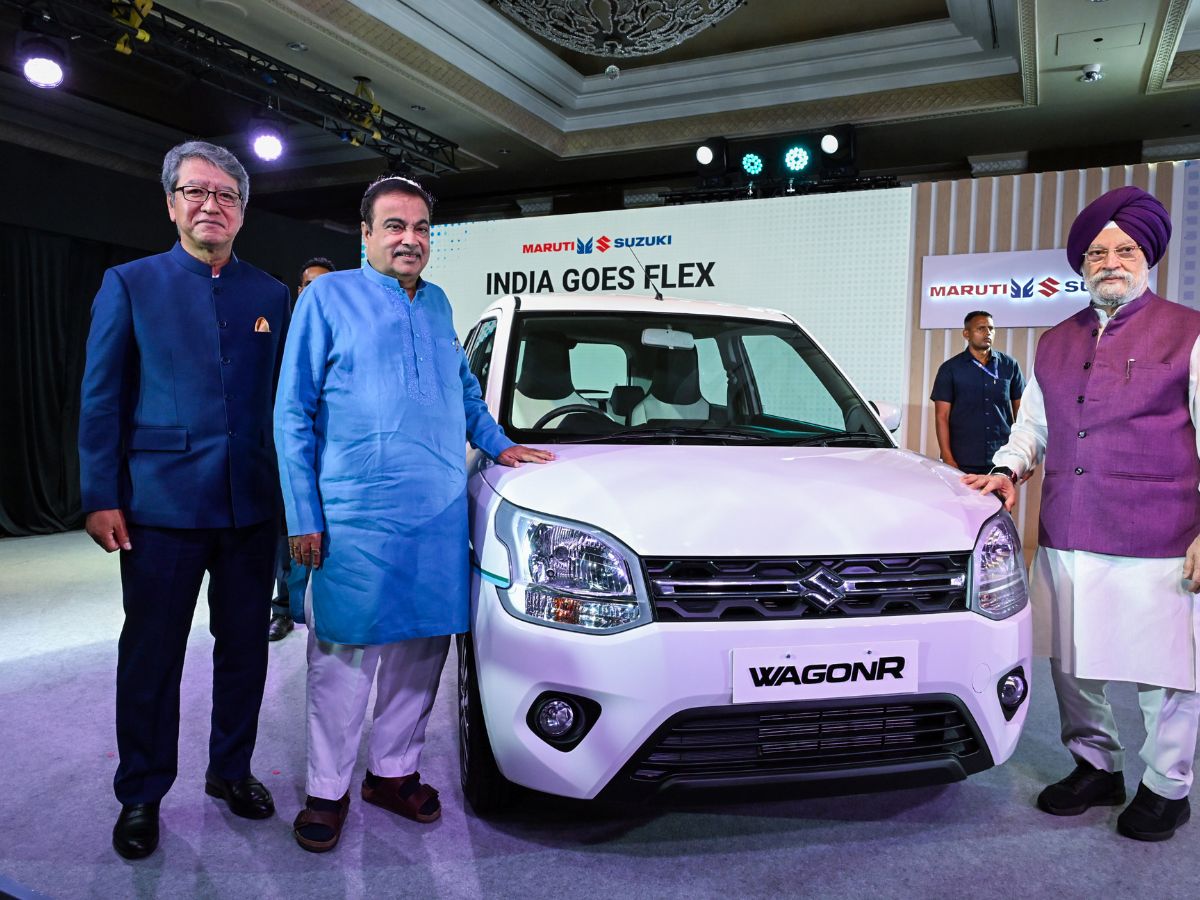
India Approves 100 Ethanol Fuel What It Means for Your Car Petrol Prices Indias Rs 22 Lakh Crore Import Bill
hurriyetdailynews.com