economictimes.indiatimes.com ·
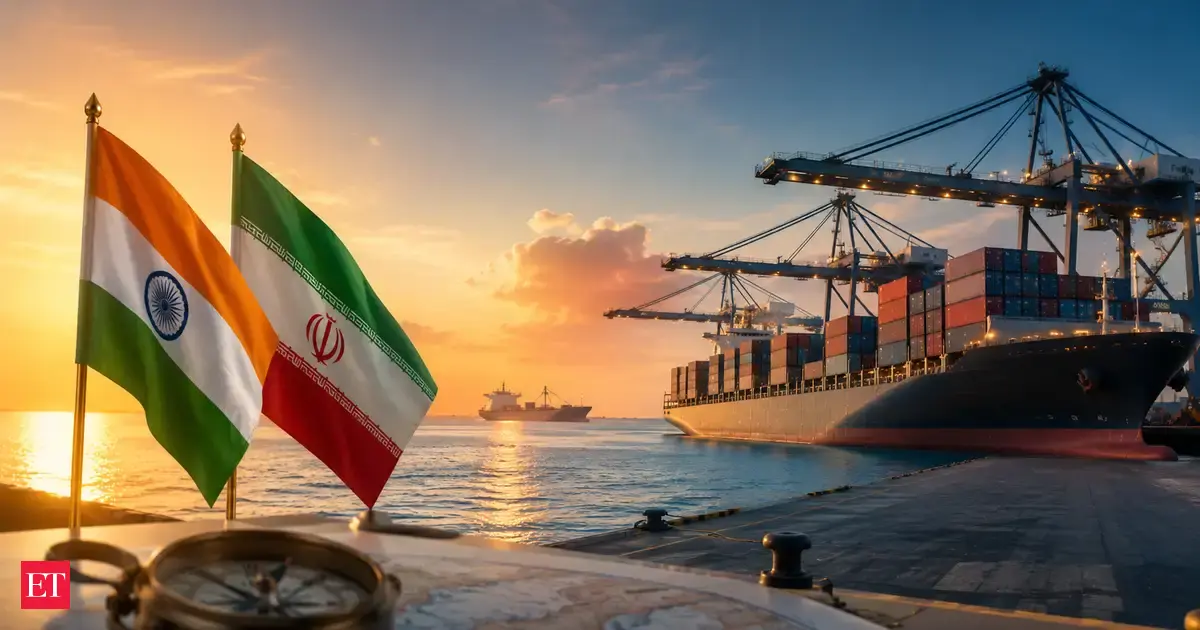
With Chabahar Port in Limbo Can India Still Reach Central Asia and Russia
Topic context
This topic has been covered 441704 times in the last 30 days across our monitored publishers.
The full article is on the original publisher site. This page only shows the headline and a very short excerpt.
AI insight
AI-generatedThe uncertainty over Chabahar port threatens the INSTC trade route, impacting India's connectivity to Central Asia and Russia. This creates a logistics bottleneck for India-bound goods from those regions, potentially increasing shipping costs and transit times. The mechanism is regulatory (US sanctions) and logistics (port access). Impact is region-specific (India, Iran, Central Asia, Russia).
Signals our AI researcher identified
Extracted by our AI model from this article and related public sources — not direct quotes from the publisher.
- US sanctions waiver for Chabahar port expires April 26, 2026.
- India may temporarily transfer its stake in Chabahar port to an Iranian entity.
- INSTC corridor connecting India to Russia and Central Asia is at risk.
- Chabahar port provides access to Afghanistan and Central Asia without passing through Pakistan.
Mid-term freight costs on the INSTC corridor may increase 2-3% as shippers reroute via longer sea routes over 2-4 weeks.
Sign in to see all sector verdicts, full thesis and counter-argument debate.
Sector impact at a glance
- LOGISTICS_SHIPPINGmid