jowhar.com ·
US Launches Strikes on Iran as Tehran Threatens Retaliation for Attacks
News Analysis — AI Analysis
Original analysis generated by News Analysis. This is our own commentary on the story, not the publisher's article text.
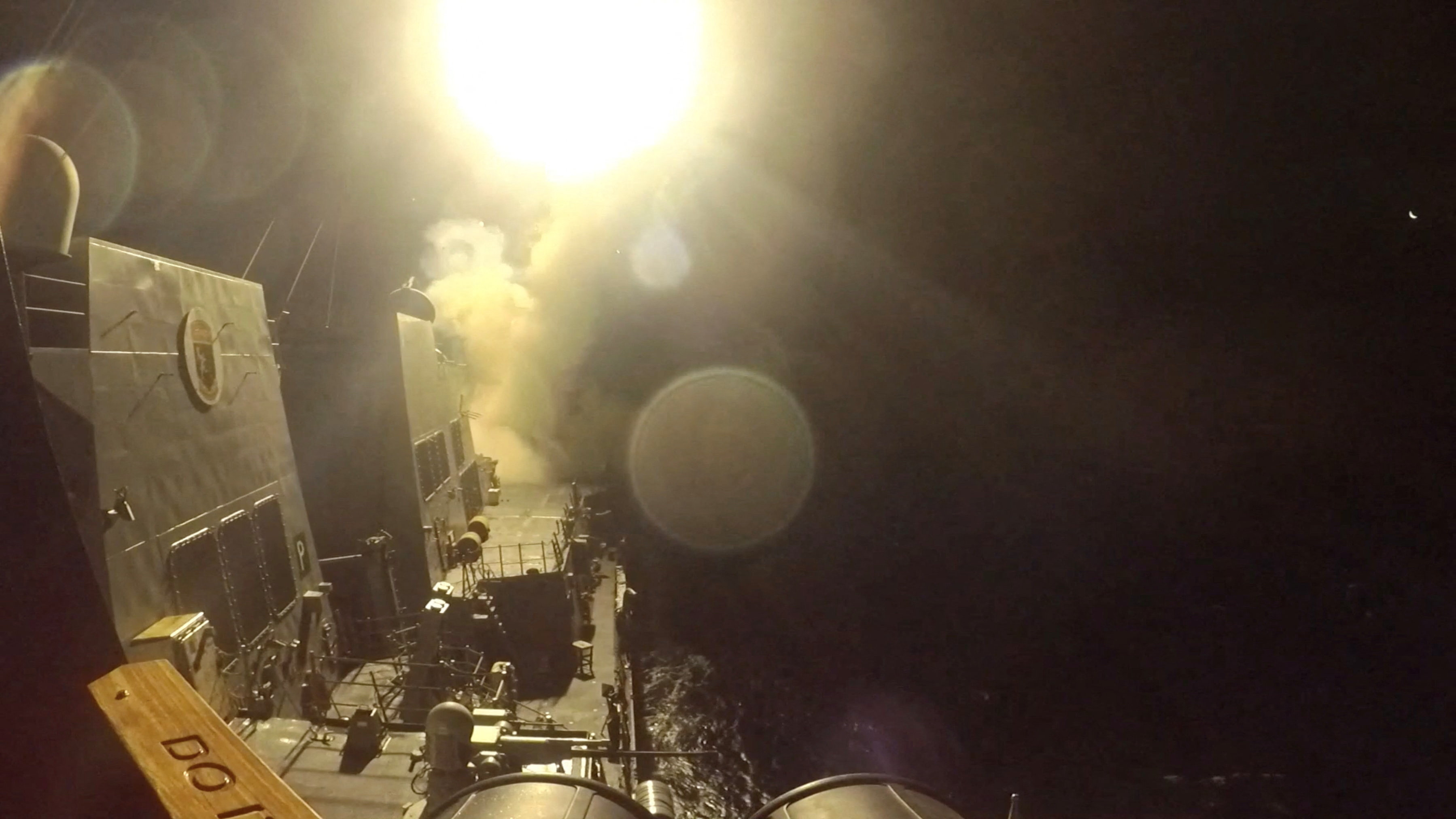
The United States launched a new round of strikes against Iran, which was described by US Central Command as retaliation for Iranian aggression. In response, Iran threatened to target any vessel passing through the Strait of Hormuz and warned it would deliver a decisive military response to further US actions. These escalating attacks mark a deepening cycle of conflict between the two nations despite ongoing diplomatic efforts.
Key points
- The US conducted strikes against multiple targets in southern Iran, citing Iranian 'unwarranted aggression' as justification.
- Iran responded by threatening military action against any vessel attempting to transit the critical Strait of Hormuz.
- Escalating attacks have pushed the rivals toward a potential full-scale conflict, despite previous ceasefire attempts.
- The conflict has significantly impacted global energy markets, causing oil prices to rise sharply and disrupting major supply routes.
- Diplomatic efforts are reportedly continuing, with a delegation from Qatar arriving in Tehran for mediation talks.
Claims assessed
- VerifiableUS Central Command stated the strikes were retaliation for Iran’s 'unwarranted and continued aggression.'
- VerifiableIran threatened to fire on any vessel attempting to pass through the Strait of Hormuz.
- VerifiableThe conflict has disrupted roughly one-fifth of the world’s supply of oil and natural gas.
- VerifiableUS Defense Secretary Pete Hegseth stated that negotiations could involve military force, saying 'If we need to negotiate with bombs, we’ll negotiate with bombs.'
Missing context
The article does not provide independent verification or detailed analysis regarding the claims of 'war crimes' made by Iranian sources, nor does it offer a clearer picture of the current status or effectiveness of the mediation efforts led by Qatar.
Topic context
The full article is on the original publisher site.
AI insight
AI-generatedUS-Iran conflict pushes crude oil prices 2-3% higher and elevates shipping/insurance costs in the short term; COMMODITY_OIL and LOGISTICS_SHIPPING rise sharply, while GLOBAL_ENERGY maintains structural support. Main risk: if geopolitical threats fail to materialize into physical disruptions or sustained production cuts, the initial reflex spike will be significantly moderated.
The conflict escalation between the US and Iran directly threatens critical maritime chokepoints, specifically the Strait of Hormuz. This raises immediate concerns regarding global crude oil supply stability (COMMODITY_OIL) and increases insurance/shipping costs for vessels passing through the region (LOGISTICS_SHIPPING). The resulting uncertainty drives up energy prices globally (GLOBAL_ENERGY), impacting EM currencies due to potential commodity price pass-through (FX_EM).
Signals our AI researcher identified
Extracted by our AI model from this article and related public sources — not direct quotes from the publisher.
- US launched strikes on Iran targets.
- Iran threatened retaliation targeting vessels in the Strait of Hormuz.
- Conflict resulted in disruption of a significant portion of global oil supply.
- Oil prices rose sharply following US threats.
Affected products & commodities
- Crude Oil (Brent, WTI)
- Shipping Insurance Premiums
- Oil Refining Inputs
Supply-chain signals
- Strait of Hormuz transit security
- Global oil supply stability
Historical parallels
- Previous geopolitical conflicts in the Middle East (e.g., Yemen, Red Sea) have historically caused immediate spikes in crude oil futures and increased global shipping freight rates due to perceived supply risk.
This analysis would be wrong if
If global inventory levels prove sufficient, major producers successfully reroute traffic without cost escalation, or insurance premiums normalize quickly following a contained diplomatic resolution.
Persistent geopolitical risk maintains a structural upward bias on oil prices; therefore COMMODITY_OIL is affected up.
Sign in to see all sector verdicts, full thesis and counter-argument debate.
Sector impact at a glance
- COMMODITY_OILmid
- COMMODITY_OILshort
- FX_EMshort
- GLOBAL_ENERGYmid
- GLOBAL_ENERGYshort
- LOGISTICS_SHIPPINGmid
- LOGISTICS_SHIPPINGshort
Related stories

odt.co.nz
US Iran Exchange Attacks Trump Threatens Further Escalation
tribuneindia.com
Trump Threatens More Strikes as US Hits Iran Tehran Fires Back at American Bases
cyprus-mail.com
US Iran Exchange Attacks as Trump Threatens Further Escalation

theguardian.com
Claudia Sheinbaum the Wildly Popular Mexican President Dealing With Drug Violence Disappearances and Donald Trump

hindustantimes.com