www.birgun.net ·
Petrol Fiyatlarinda Dusus
News Analysis — AI Analysis
Original analysis generated by News Analysis. This is our own commentary on the story, not the publisher's article text.
Oil prices are declining, with Brent crude trading at $77.31 per barrel, following a temporary agreement between the US and Iran. This deal is expected to ease concerns over supply disruptions by allowing passage through the Strait of Hormuz and lifting the US naval blockade. The article also notes that global oil supply forecasts suggest an overall surplus in the coming years.
Key points
- Brent crude futures dropped to $77.31 per barrel, down approximately 2.8% from previous levels.
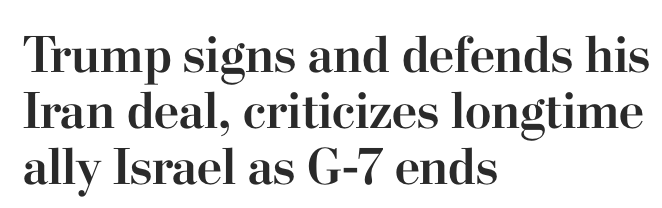
- The decline is attributed to a temporary agreement between the US and Iran, which aims to normalize oil supply through the Strait of Hormuz.
- Pakistan Prime Minister Shahbaz Sharif announced the 'Islamabad Accord,' detailing that both nations will lift blockades and resume normal passage.
- International Energy Agency (IEA) forecasts global crude supply to increase significantly next year due to recovery in Gulf production.
- US commercial crude oil stocks decreased last week, providing additional support to prices.
Claims assessed
- VerifiableThe temporary agreement between the US and Iran will allow for the resumption of passage through the Strait of Hormuz and the lifting of a US naval blockade.
- VerifiablePakistan Prime Minister Shahbaz Sharif announced that the 'Islamabad Accord' is effective immediately, requiring Iran to reopen the Strait of Hormuz and the US to lift its blockade.
- VerifiableThe IEA predicts a global oil supply increase next year, reaching 110.35 million barrels per day due to Gulf production recovery.
Missing context
The article mentions that the final negotiations regarding the accord still require discussions on Iran's nuclear program and sanctions, which are key sticking points not fully resolved by the announced agreement.
Topic context
The full article is on the original publisher site.
AI insight
AI-generatedGeopolitical de-escalation pushes Brent crude oil prices 1-3% lower in the short term, while mid-term energy infrastructure services benefit from IEA's supply increase forecasts. The key risk across sectors is that physical inventory data and structural oversupply pressures may mute or reverse the anticipated sharp price declines.
The reported price drop for Brent crude ($77.31) is directly linked to the diplomatic agreement between the U.S. and Iran, which aims to reopen the Strait of Hormuz and lift a naval blockade. This suggests reduced geopolitical risk premium on oil supply, negatively impacting short-term pricing power. The fall in US commercial stocks further supports increased immediate supply.
Signals our AI researcher identified
Extracted by our AI model from this article and related public sources — not direct quotes from the publisher.
- Brent crude oil traded at $77.31 per barrel.
- Price dropped 2.8% from the previous day's close of $79.55.
- Agreement reached between U.S. and Iran to reopen Strait of Hormuz.
- U.S. commercial crude oil stocks fell by 8.3 million barrels.
- IEA forecasts potential increase in global oil supply next year.
Affected products & commodities
- Brent crude oil
- Crude oil (general)
Supply-chain signals
- Strait of Hormuz transit stability
- US crude oil inventory levels
Historical parallels
- Geopolitical de-escalation (e.g., lifting sanctions or conflict resolution) typically leads to a rapid, sharp decline in commodity prices due to the removal of supply risk premiums.
This analysis would be wrong if
If US commercial crude oil stocks prove sufficient (e.g., higher than 8.3M barrel draw) or if global trade volumes show a significant contraction, the downward pressure on commodity prices and related services would be invalidated.
Mid-term energy players benefit from IEA's long-term supply increase forecasts, signaling sustained demand for infrastructure and capacity. Key risk: The positive outlook relies on the market accepting the structural oversupply pressure as a catalyst for new investment.
Sign in to see all sector verdicts, full thesis and counter-argument debate.
Sector impact at a glance
- COMMODITY_OILmid
- COMMODITY_OILshort
- GLOBAL_ENERGYmid
- GLOBAL_ENERGYshort
- LOGISTICS_SHIPPINGshort
Related stories
nakedcapitalism.com
Iran War Trump Capitulates in Deal Signed Thursday Commits to Israel Withdrawal From Lebanon Considerable Obstacles Remain to Agreement Oil Cliff in Play Increasing Iran Leverage

dailymail.com
Trump fools tough Iran jealous stupid signing criticised deal

sbs.com.au
Israeli Drone Strike Kills One in Lebanon Hours After US and Iran Sign Critical Peace Deal

cnnturk.com
Yerel Kalkinma Hamlesinde Dikkat Ceken Projeler Noodledan Kaya Oyma Veri Merkezine Dev Yatirimlar
livenews.co.nz