www.rte.ie · · IE
1577790 ecb rates inflation

News Analysis — AI Analysis
Original analysis generated by News Analysis. This is our own commentary on the story, not the publisher's article text.
The European Central Bank (ECB) is widely anticipated to raise interest rates today, moving the rate from 2% to an expected 2.25%. This action aims to combat rising inflation across the eurozone, which has been fueled by elevated energy costs linked to the Middle East conflict. The rate hike will increase mortgage repayments for Irish borrowers and signal a general upward trend in borrowing costs.
Key points
- The ECB is expected to raise interest rates today, increasing them from 2% to an anticipated 2.25%.
- The primary motivation for the rate hike is combating inflation, which has risen due to higher energy costs and the Middle East conflict.
- The increase will impact Irish mortgage holders, potentially adding €37 per month to a €300,000 loan over 25 years.
- Rising rates are expected to put upward pressure on general borrowing costs, affecting both new fixed loans and variable mortgages.
- While the ECB targets 2% inflation, the current cost of living across the eurozone is running at 3.2%, with Ireland estimated at 3.5% in May.
Claims assessed
- VerifiableThe European Central Bank is expected to raise interest rates today from 2% to 2.25%.
- VerifiableRising energy costs due to the Middle East conflict are contributing to inflation across the eurozone.
- VerifiableThe rate increase will result in higher repayments for Ireland’s 110,000 tracker mortgage customers.
- VerifiableObservers anticipate that the ECB may implement at least one further rate increase later this year, possibly in September.
Missing context
The article does not specify the exact mechanism by which the ECB will pass the rate increase onto various types of loans (e.g., fixed vs. variable) beyond general statements about upward pressure on borrowing costs, nor does it provide details on what specific measures banks might take to mitigate the impact on consumers.
Topic context
Related topics
The full article is on the original publisher site.
AI insight
AI-generatedThe ECB's rate hike will cause a medium-term weakening of the Euro (2-4% depreciation) due to sustained high borrowing costs dampening consumer demand. Short-term, EM banking sectors are expected to see positive sentiment shifts from higher global yields. Main risk: If core inflation proves sticky, the ECB may maintain rates longer than anticipated, providing support and limiting the magnitude of the currency decline.
The ECB's rate hike is a direct response to inflation fueled by energy costs and geopolitical conflict. This raises the cost of capital (input cost/financing cost) for highly leveraged consumers (mortgage holders), impacting consumer spending power and potentially slowing demand across sectors. The primary commercial channel is monetary tightening via FX_EUR.
Signals our AI researcher identified
Extracted by our AI model from this article and related public sources — not direct quotes from the publisher.
- ECB expected to raise interest rates from 2% to 2.25%
- Rate hike driven by rising inflation (3.2% in eurozone, 3.5% in Ireland)
- Impacts mortgage customers (110,000 in Ireland) with increased repayments (€37 on a €300,000 mortgage)
Affected products & commodities
- Eurozone mortgage rates
- Consumer credit access
- Energy costs (indirectly)
Supply-chain signals
- Monetary policy transmission mechanism (ECB rate hikes)
- Interest rate sensitivity of real estate/mortgage market
Historical parallels
- Previous ECB rate hikes following the Russia-Ukraine conflict energy shock led to increased borrowing costs and dampening consumer demand across the Eurozone.
This analysis would be wrong if
If strong foreign capital inflows or persistent sticky core inflation data forces the ECB to adopt a 'higher for longer' stance, thereby mitigating the consumer spending slowdown.
Emerging market banks face increased default risk and margin compression over the medium term due to higher corporate borrowing costs and slower economic growth.
Sign in to see all sector verdicts, full thesis and counter-argument debate.
Sector impact at a glance
- EM_BANKINGmid
- EM_BANKINGshort
- FX_EURmid
- FX_EURshort
- GLOBAL_ENERGYmid
Related stories
internazionale.it
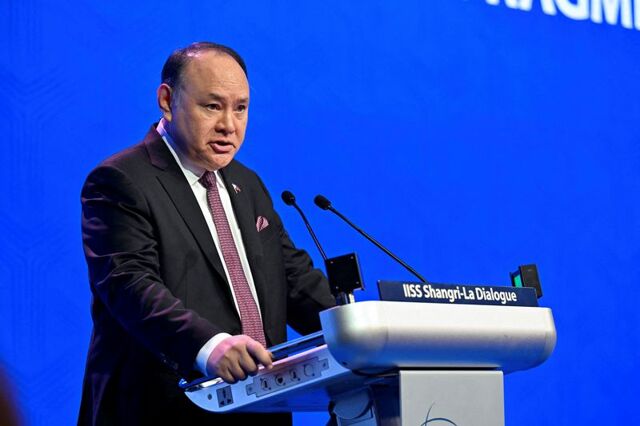
Philippine Defence Chief Vows to Press on After China Sanctions
irishtimes.com
Stephen Collins Do We Really Want to Stop Intel Trading With Its Sister Plant in Israel
irishtimes.com
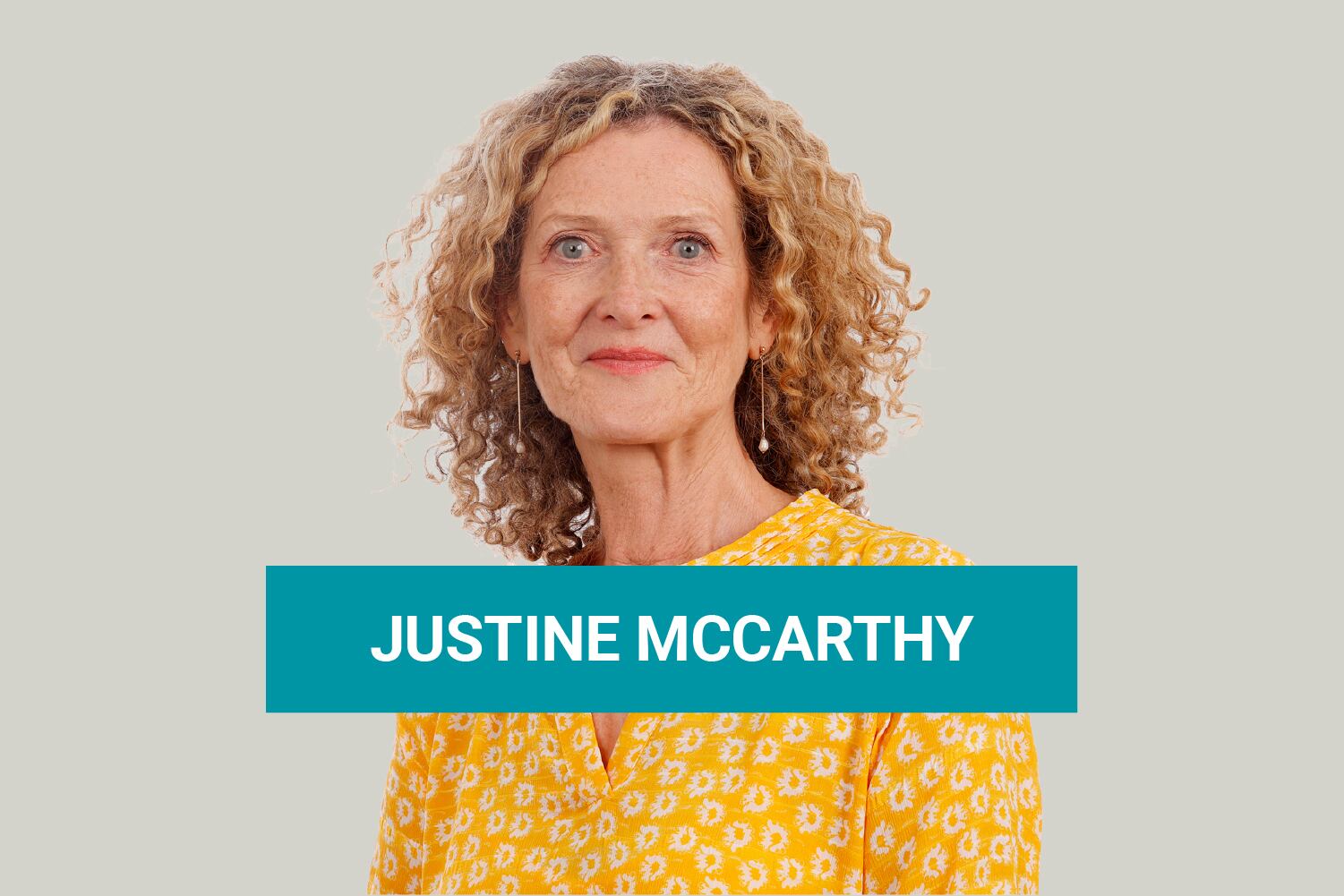
Justine Mccarthy Shameful the State Wont Say Sorry to the Men Convicted of the Sallins Train Robbery

moneycontrol.com
Thai Princess Bajrakitiyabha Dies Aged 47 After Three Years in Hospital Article

altoonamirror.com