www.jalopnik.com ·
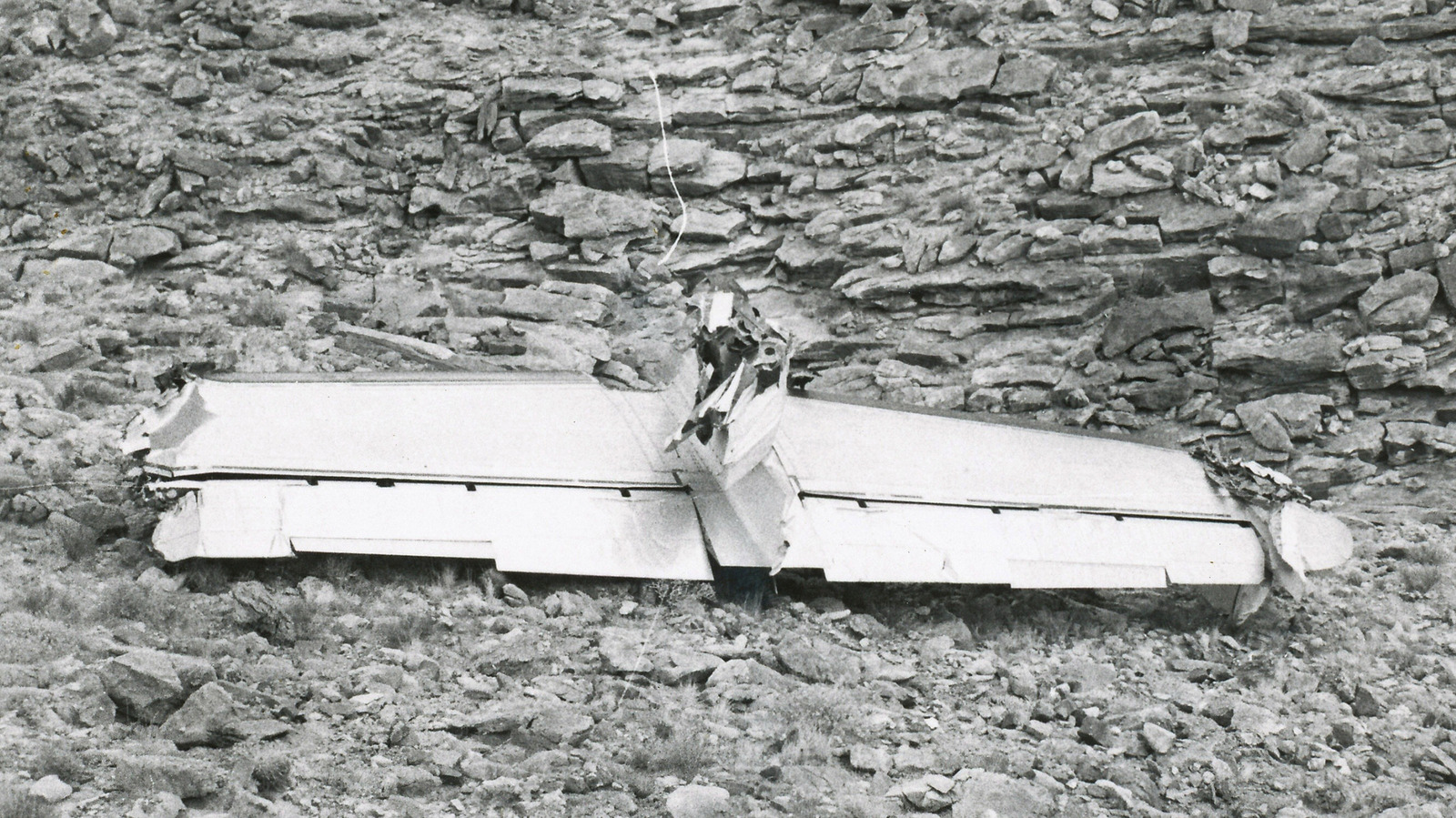
1956 commercial plane disaster over grand canyon created faa
News Analysis — AI Analysis
Original analysis generated by News Analysis. This is our own commentary on the story, not the publisher's article text.
The Federal Aviation Administration (FAA) was established in 1958 following a major mid-air collision over the Grand Canyon National Park. The disaster involved TWA Flight 2 and United Airlines Flight 718, which collided after air traffic control adjustments placed them at the same altitude near the canyon. This tragic event prompted the U.S. government to overhaul its civil aviation management systems.
Key points
- Before 1958, there was no federal agency regulating civilian aviation in the United States.
- The collision occurred on June 30, 1956, involving TWA Flight 2 and United Airlines Flight 718 near the Grand Canyon.
- The accident resulted from air traffic control adjustments that placed both aircraft at the same altitude after initial rough air encounters.
- No passengers or crew survived the collision; wreckage was recovered by a specialized team of Swiss mountaineers.
- The disaster prompted President Dwight D. Eisenhower and experts like Edward Curtis to recommend establishing a dedicated aviation regulatory agency.
Claims assessed
- VerifiableThe FAA was formed in 1958 because of the mid-air collision between TWA Flight 2 and United Airlines Flight 718 over the Grand Canyon.
- UnverifiedPrior to 1956, air traffic control procedures were adequate for managing commercial flight safety.
- VerifiableThe collision was caused by TWA Flight 2 and United Airlines Flight 718 being placed at the same altitude near the Grand Canyon after ATC adjustments.
Missing context
The article does not specify what specific regulatory changes or operational improvements were implemented by the newly formed FAA beyond simply establishing the agency itself.
Topic context
Related topics
The full article is on the original publisher site.
AI insight
AI-generatedThe regulatory pressure from historical aviation incidents will drive moderate long-term demand for advanced defense/surveillance systems (AIRCRAFT_DEFENSE up 2, mid). However, immediate operational costs are expected to be absorbed by carriers rather than triggering sharp price spikes. Main risk: The actual pace of systemic change is governed by slow governmental standardization bodies, not rapid commercial market reactions.
The event describes a historical disaster leading to regulatory changes (FAA establishment). The commercial mechanism is purely regulatory/safety improvement, which historically increases compliance costs for all airlines. This affects the operational expenditure (OpEx) of carriers like TWA or United Airlines by requiring investment in new air traffic control systems and safety protocols.
Signals our AI researcher identified
Extracted by our AI model from this article and related public sources — not direct quotes from the publisher.
- Collision occurred on June 30, 1956
- Involved TWA Flight 2 (Lockheed Super Constellation) and United Airlines Flight 718 (Douglas DC-7)
- Resulted in the establishment of FAA in 1958
- Focus was on improving air traffic management and safety regulations
Affected products & commodities
- Commercial aircraft services
- Air travel capacity
Supply-chain signals
- Air Traffic Control (ATC) infrastructure
- Airline operational safety standards
Historical parallels
- Major historical aviation disasters often lead to stricter international air safety protocols and increased investment in ATC technology, raising baseline operating costs for all carriers.
This analysis would be wrong if
If a concrete legislative mandate or government funding initiative specifies an immediate, measurable CapEx requirement for avionics/ATC systems within the next 48 hours.
Long-term systemic safety upgrades will drive moderate, sustained demand for integrated defense and surveillance systems. The key risk is that procurement cycles are slower and more competitive than anticipated.
Sign in to see all sector verdicts, full thesis and counter-argument debate.
Sector impact at a glance
- AIRCRAFT_DEFENSEmid
- GLOBAL_INDUSTRIALSmid
- GLOBAL_INDUSTRIALSshort
Related stories

economictimes.indiatimes.com
Nukes Crude Sanctions Frozen Assets Inside the 14 Point US Iran Peace Agreement

island.lk
Decoding Trumps 12 5 Forced Labor Tariff on Sri Lanka
economictimes.indiatimes.com
Trump Veers Toward Exit in Iran War but Risks Loom

sueddeutsche.de
ukraine krieg newsblog hoehlenkloster kiew russland angriffe putin li.
ncr-iran.org