foreignpolicy.com ·
Gulf Africa Iran War Fuel Hormuz Sudan Saudi UAE Oil Proxy

Topic context
This topic has been covered 408076 times in the last 30 days across our monitored publishers.
The full article is on the original publisher site. This page only shows the headline and a very short excerpt.
AI insight
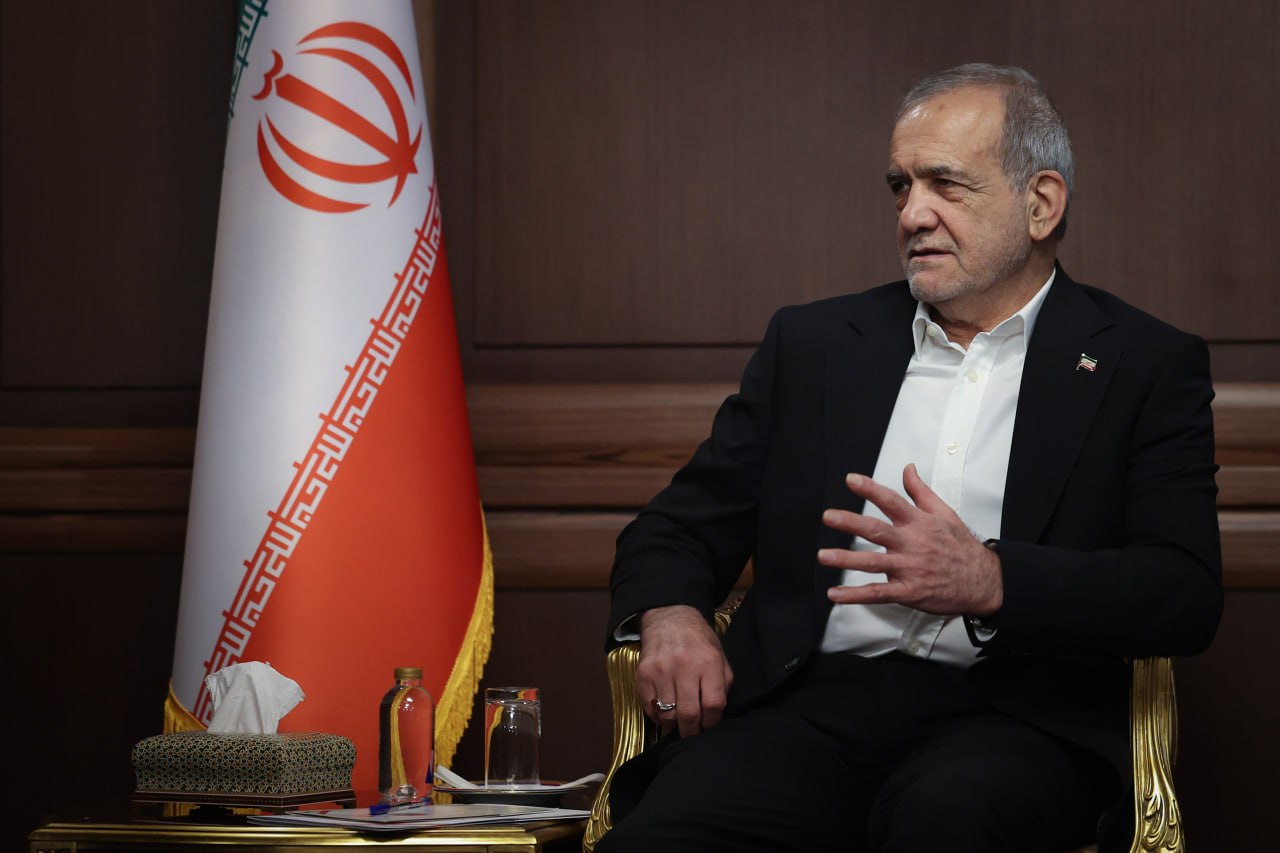
AI-generatedThe Iran war and regional proxy conflict threaten oil and LNG transit through the Strait of Hormuz and Red Sea, creating supply disruption risk for global energy markets. Shipping insurance and freight costs may spike. Defense spending in the region likely increases. Impact is global via oil/gas prices, but regional (Middle East, Horn of Africa) for direct investment and trade. Winners: defense contractors, US/European energy producers (substitute supply). Losers: net oil importers, Gulf investors with exposed assets.
Signals our AI researcher identified
Extracted by our AI model from this article and related public sources — not direct quotes from the publisher.
- Iran war ongoing, impacting Red Sea and Horn of Africa.
- Strait of Hormuz maritime chokepoint security heightened.
- Divisions between rival coalitions: Israel/UAE vs Egypt/Saudi Arabia/Turkey.
- Gulf investments threatened, peace efforts in Sudan obstructed.
- Published 2026-05-19.
Freight rates and war risk premiums spike 20-40% within 48h.
Sign in to see all sector verdicts, full thesis and counter-argument debate.
Sector impact at a glance
- AEROSPACE_DEFENSEmid
- AEROSPACE_DEFENSEshort
- EM_MARKETSshort
- GLOBAL_ENERGYshort
- LNG_NATGASshort
- LOGISTICS_SHIPPINGmid
- LOGISTICS_SHIPPINGshort
- OIL_GAS_UPSTREAMmid
- OIL_GAS_UPSTREAMshort