www.newsx.com ·
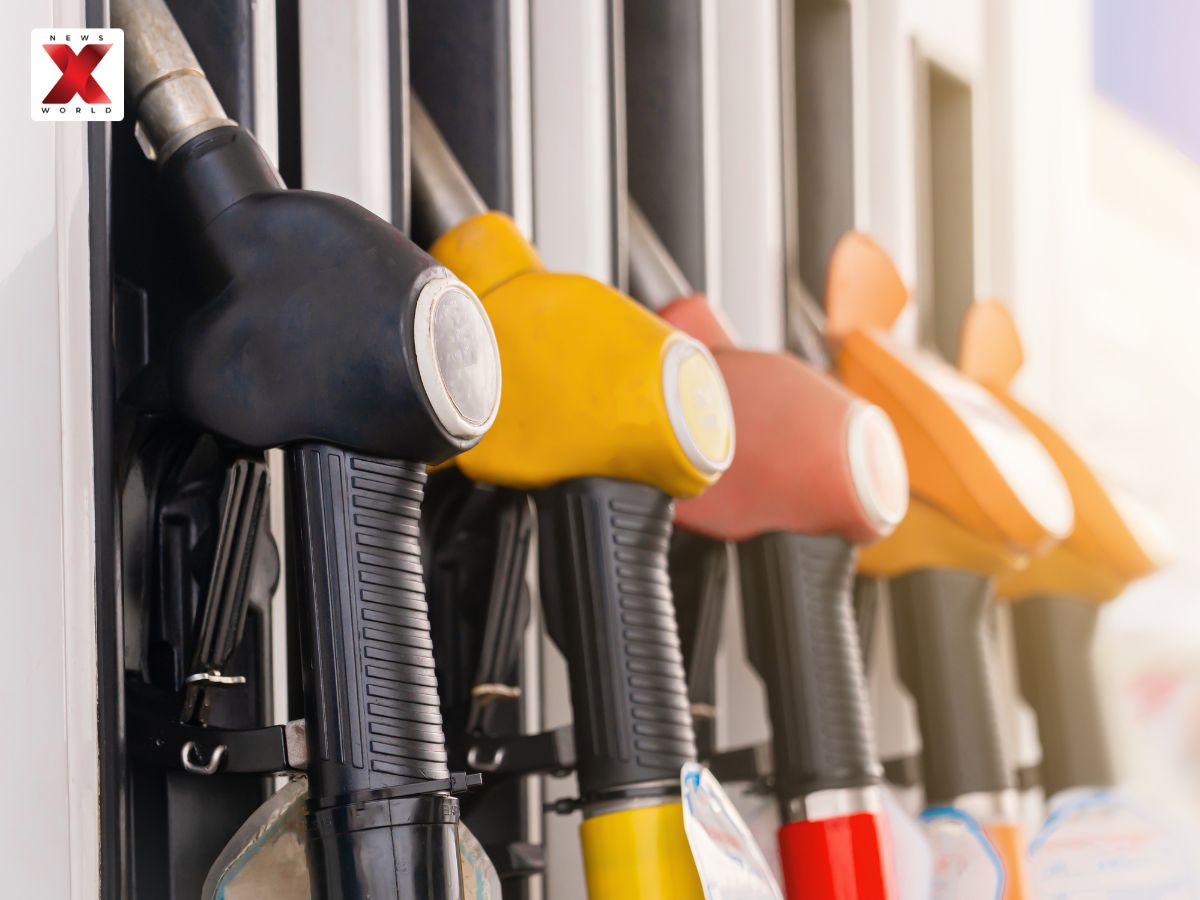
Petrol Diesel Rule Change Why Has the Government Barred Bulk Petrol Diesel Purchases From Fuel Pumps
News Analysis — AI Analysis
Original analysis generated by News Analysis. This is our own commentary on the story, not the publisher's article text.
The government has temporarily banned industrial, commercial, and institutional users from purchasing petrol and diesel directly from retail fuel pumps due to global supply disruptions and increased demand. This temporary measure, lasting up to 90 days, aims to ensure that regular consumers have access to necessary fuel supplies. The primary rationale cited is the significant price gap between bulk and retail prices, which was encouraging large industrial users to buy fuel at retail outlets.
Key points
- The ban on bulk purchases from retail pumps applies to industrial, commercial, and institutional users only.
- The temporary regulation was issued by the Ministry of Petroleum and Natural Gas in June 2026, lasting initially up to 90 days.
- Global geopolitical tensions and supply chain issues are cited as the main reasons for tightening the petroleum market.
- A major driver is the large price difference between bulk fuel prices and retail pump prices, which encouraged misuse of retail channels by large consumers.
- New rules restrict diesel sales at retail pumps to a maximum of 200 liters per customer or vehicle per day.
Claims assessed
- VerifiableThe government has temporarily banned industrial and commercial users from buying fuel from retail pumps to ensure normal consumers have access.
- VerifiableThe ban is due to global geopolitical tensions affecting the petroleum supply chain and increased demand for fuels.
- VerifiableLarge industrial users were buying fuel from retail pumps because of a significant price gap compared to bulk purchase prices.
- VerifiableThe new rules limit diesel purchases at retail outlets to 200 liters per customer or vehicle per day.
Missing context
The article does not specify the long-term implications of this rule change for specific sectors (e.g., how manufacturing units will adjust their supply chain logistics) or provide details on the process for obtaining authorization from 'authorised bulk suppliers' or 'dedicated consumer pumps'.
Topic context
The full article is on the original publisher site.
AI insight
AI-generatedThe government fuel ban pushes Diesel/Petrol premiums up moderately in the short term (48h) due to logistical friction and scarcity. Key risk: The actual price increase is likely constrained to distribution bottlenecks rather than a sustained global spot market shift.
This regulatory action (supply restriction) directly affects industrial/commercial users' access to key inputs (petrol/diesel). By limiting bulk purchases at retail pumps, the government aims to prioritize supply for 'normal users,' suggesting a potential immediate input cost increase or operational delay for commercial entities. The primary channel is regulatory/supply_shortage, driven by global geopolitical tensions.
Signals our AI researcher identified
Extracted by our AI model from this article and related public sources — not direct quotes from the publisher.
- Government banned bulk petrol and diesel purchases from retail pumps.
- Ban is temporary, lasting up to 90 days.
- Reasons cited are global supply disruption and increased demand for fuels.
- The decision was issued by the Ministry of Petroleum and Natural Gas.
Affected products & commodities
- Petrol
- Diesel
Supply-chain signals
- India's retail fuel distribution network capacity
- Global oil market supply stability (geopolitical risk)
Historical parallels
- During periods of global supply shock or high demand spikes, governments often implement rationing/bans on commercial usage to ensure minimum essential services are maintained. This typically leads to immediate price volatility and increased operational costs for non-essential industrial users.
This analysis would be wrong if
If confirmed that industrial sectors have sufficient fuel inventory buffers or if government intervention provides immediate, subsidized alternative transport fuels (e.g., CNG/LPG mandates), the short-term impact will be materially reduced.
The temporary nature of the ban allows industries time to adapt and stabilize operational costs (2-4 weeks). Key risk: If the ban is extended beyond the projected period, sustained margin pressure could emerge.
Sign in to see all sector verdicts, full thesis and counter-argument debate.
Sector impact at a glance
- EM_INDUSTRIALSmid
- EM_INDUSTRIALSshort
- EM_TRANSPORTshort
- GLOBAL_ENERGYmid
- GLOBAL_ENERGYshort
Related stories

forbes.com
Hot IPO Summer What Happens When AI Goes Public
al-monitor.com
Trump Says Iran War Deal Close Strait Hormuz Tensions Linger
cyprus-mail.com
Trump Says Iran Peace Deal Could Be Signed This Weekend as Tehran Reviews Pact
governorswindenergycoalition.org
Inside the War to Sideline Stronger Climate Science Before Its Used in Court

northerndailyleader.com.au