www.dha.com.tr · · TR
Abd Irana Yonelik Ek Saldirilar Tamamlandi
News Analysis — AI Analysis
Original analysis generated by News Analysis. This is our own commentary on the story, not the publisher's article text.
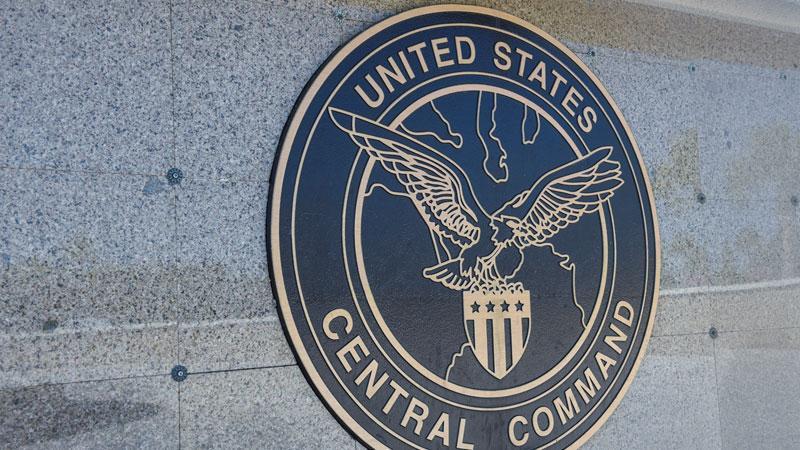
The U.S. Central Command (CENTCOM) announced that additional 'self-defense' strikes against various targets in Iran were completed on June 10th, following instructions from President Donald Trump. The operations reportedly targeted military surveillance capabilities, communication systems, and air defense facilities across Iran.
Key points
- The U.S. Central Command confirmed the completion of additional 'self-defense' strikes against Iranian targets.
- These operations were conducted on June 10th under directives from President Donald Trump.
- Targets included military surveillance, communication systems, and air defense facilities throughout Iran.
- U.S. forces utilized precision munitions against sites deemed threatening to U.S. personnel and international commercial vessels.
Claims assessed
- VerifiableThe additional strikes were conducted as a response to Iran's 'unjust and ongoing aggression'.
- VerifiableU.S. forces are currently in a state of being 'alert, lethal, and ready'.
Missing context
The article does not provide details regarding the specific nature of the 'unjust and ongoing aggression' by Iran that prompted these strikes, nor does it offer independent verification or international commentary on the reported events.
The full article is on the original publisher site.
AI insight
AI-generatedU.S.-Iran strikes push oil shipments and container shipping services costs up in the short term (48h); COMMODITY_OIL and LOGISTICS_SHIPPING rise, while GLOBAL_ENERGY's mid-term cost increases are expected to be structural but volatile. Main risk: The initial rate spikes may be highly volatile rather than reflecting permanent structural changes.
The strikes against Iranian infrastructure (military/air defense) increase geopolitical risk in the Persian Gulf region. This directly impacts maritime insurance premiums and increases operational costs for international commercial vessels passing through or near Iran's sphere of influence. The primary channel is increased geopolitical risk leading to higher logistics/shipping costs.
Signals our AI researcher identified
Extracted by our AI model from this article and related public sources — not direct quotes from the publisher.
- U.S. Central Command (CENTCOM) announced strikes against Iran on June 10, 2026.
- Targets included military surveillance, communication systems, and air defense facilities in Iran.
- Strikes were conducted by U.S. Marine Corps, Air Force, and Navy units.
Affected products & commodities
- Oil shipments (Crude, LNG)
- Container shipping services
- Maritime insurance premiums
Supply-chain signals
- Persian Gulf maritime transit security
- Insurance rates for commercial vessels in the Middle East
Historical parallels
- Increased military tensions/conflict zones (e.g., Strait of Hormuz, Red Sea) typically lead to immediate spikes in war risk premiums and rerouting costs for oil tankers and container ships.
This analysis would be wrong if
If global inventory buffers prove sufficient or if the conflict remains limited to air strikes without confirmed physical disruption at a major choke point (Hormuz/Suez), the immediate price spike will fail to materialize.
Oil shipments (Crude/LNG) face immediate cost inflation and premium spikes within the next 48 hours. The key risk is that the spike may be highly volatile rather than structurally sustained.
Sign in to see all sector verdicts, full thesis and counter-argument debate.
Sector impact at a glance
- EM_TRANSPORTshort
- GLOBAL_ENERGYmid
- GLOBAL_ENERGYshort
- LOGISTICS_SHIPPINGmid
- LOGISTICS_SHIPPINGshort
Related stories
thenationalnews.com
How the Ecbs Rate Hike Shows It Doesnt Want to Be Haunted by Ghosts of the Past

dailymirror.lk
Philippines protests Chinas sanctions against its defense chief

thenextweb.com
Paramount Warner Bros Merger Doj Cleared

indianexpress.com
Ncp Sp Congress Merger Supriya Sule Denies Sharad Pawar Proposal
kiplinger.com