www.straitstimes.com ·
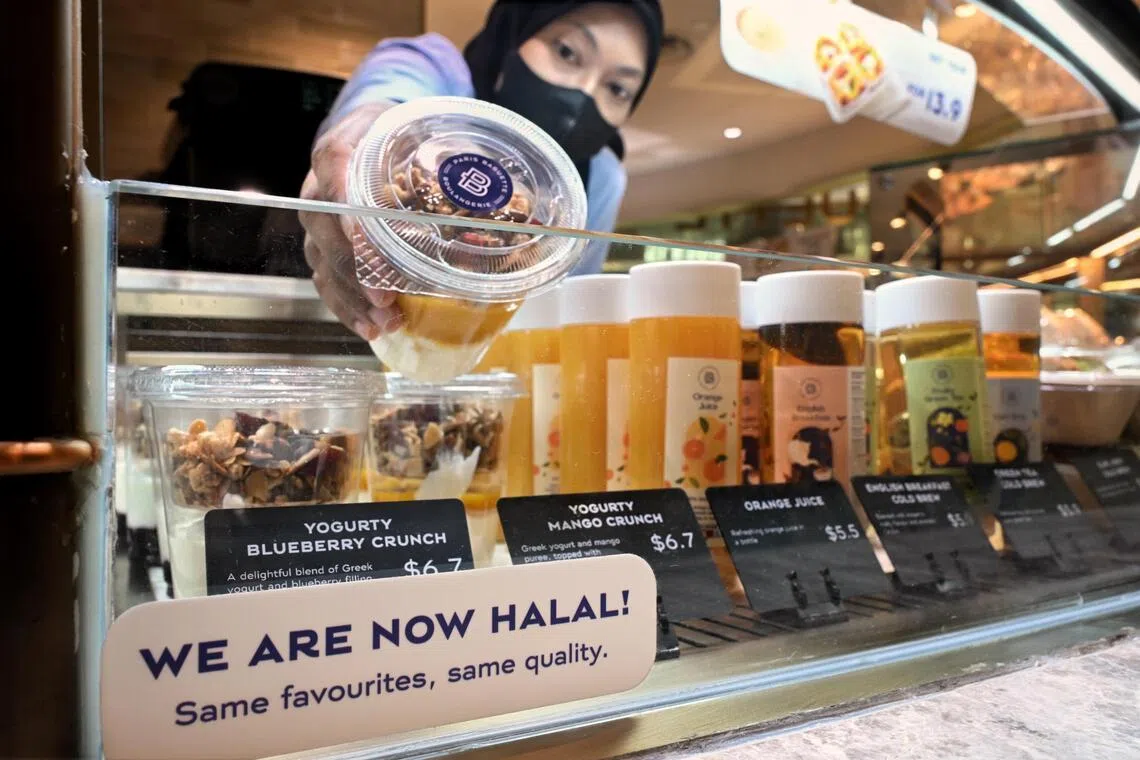
what becoming halal certified means for restaurants
Topic context
This topic has been covered 401600 times in the last 30 days across our monitored publishers.
The full article is on the original publisher site. This page only shows the headline and a very short excerpt.
AI insight
AI-generatedSingapore's halal food sector is expanding, driven by growing Muslim tourist demand (20%+ of visitors). Restaurants face higher input costs for halal-certified ingredients and labor constraints. The certification process (75% approval rate) adds regulatory friction. Impact is Singapore-specific, affecting restaurants and food retailers targeting Muslim consumers.
Signals our AI researcher identified
Extracted by our AI model from this article and related public sources — not direct quotes from the publisher.
- Over 4,000 halal-certified establishments in Singapore among 23,600 food outlets, growing at 10% annually.
- In 2025, only 75% of halal certification applications were approved.
- Muslim tourists made up over 20% of international visitors to Singapore from Jan-Sep 2025.
- Paris Baguette and Tim Hortons recently obtained halal certification.
- Challenges include hiring Muslim staff and higher procurement costs for halal-certified ingredients.
Halal-certified food faces flat impact in Singapore over 48h; gradual cost increases expected.
Sign in to see all sector verdicts, full thesis and counter-argument debate.
Sector impact at a glance
- CONSUMER_DISCRETIONARYmid
- CONSUMER_DISCRETIONARYshort
