www.washingtonexaminer.com ·
Grim Anniversary Fed Government Budget 911 Dimmed Expensive War on Terror
News Analysis — AI Analysis
Original analysis generated by News Analysis. This is our own commentary on the story, not the publisher's article text.
The article notes that the U.S. federal government has not achieved a balanced budget since fiscal year 2001, when it recorded a surplus of $130 billion. Currently, the government runs a structural deficit of approximately $2 trillion annually, leading to continuous accumulation of national debt. This mounting debt is significantly exacerbated by the high costs associated with servicing that debt and past military engagements, particularly the war on terror.
Key points
- The last time the U.S. federal government balanced its budget was in fiscal 2001.
- Currently, the government runs a structural deficit of approximately $2 trillion per year, with no surplus years recorded for over two decades.
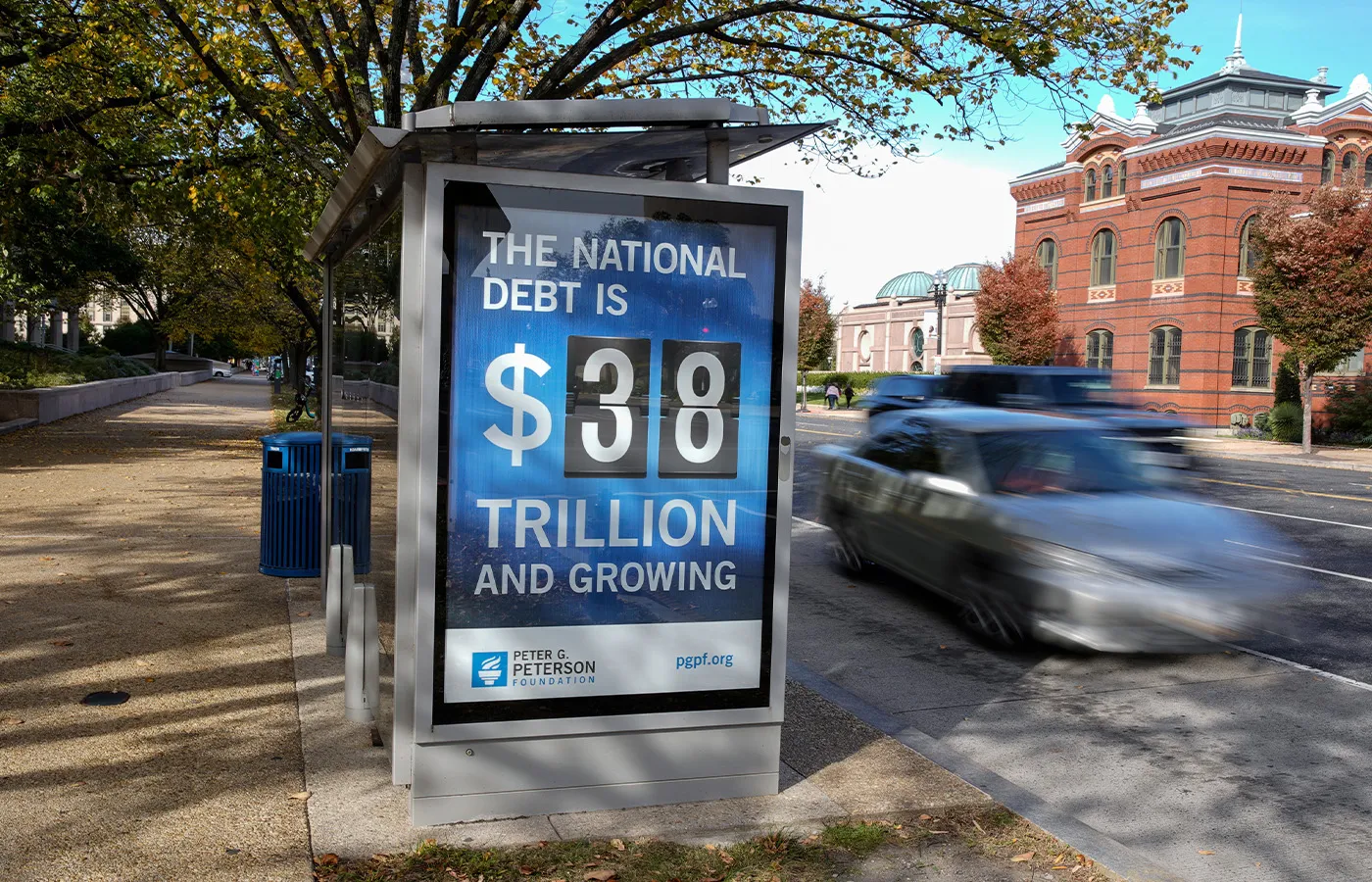
- The national debt has reached over $39.2 trillion, requiring daily interest payments exceeding $2.8 billion.
- For fiscal 2025, the budget deficit was estimated at $1.78 trillion, based on revenues of $5.23 trillion and expenditures of $7.01 trillion.
- The costs associated with the war on terror, including the invasions of Iraq and Afghanistan, have significantly contributed to the growing national debt service costs.
Claims assessed
- VerifiableThe U.S. federal government has not come close to balancing its books in the 25 years following fiscal 2001.
- VerifiableFor fiscal 2025, the federal government recorded a budget deficit of $1.78 trillion.
- VerifiableThe total cost of military actions linked to the war on terror reached an estimated $5.8 trillion two decades later.
Missing context
The article does not provide any policy recommendations or potential solutions for addressing the structural deficit or reducing the national debt burden.
Topic context
Related topics
The full article is on the original publisher site.
AI insight
AI-generatedThe article is a historical/political commentary discussing past U.S. government budget surpluses and deficits (pre-2001). It contains no current commercial data, investment announcements, commodity price movements, or concrete economic indicators that would trigger a material supply chain or margin impact.
Signals our AI researcher identified
Extracted by our AI model from this article and related public sources — not direct quotes from the publisher.
- (not specified)
- (not specified)
- (not specified)
- (not specified)
- (not specified)
Affected products & commodities
- (not specified)
Supply-chain signals
- (not specified)
Related stories

foxnews.com
Austin Metcalfs Family Faces Death Threats After Karmelo Anthonys Murder Conviction More Top Headlines

hallmarknews.com
For the Record Text of Inubus 2026 Democracy Day Speech

techtimes.com
Pentagon Bans Alibaba Baidu Byd Defense Contracts June 30 188 Chinese Firms Now Designated

thehindubusinessline.com
Sensex Nifty50 Today Stock Market Highlights 12th June 2026
tribune.com.pk