www.theatlantic.com ·
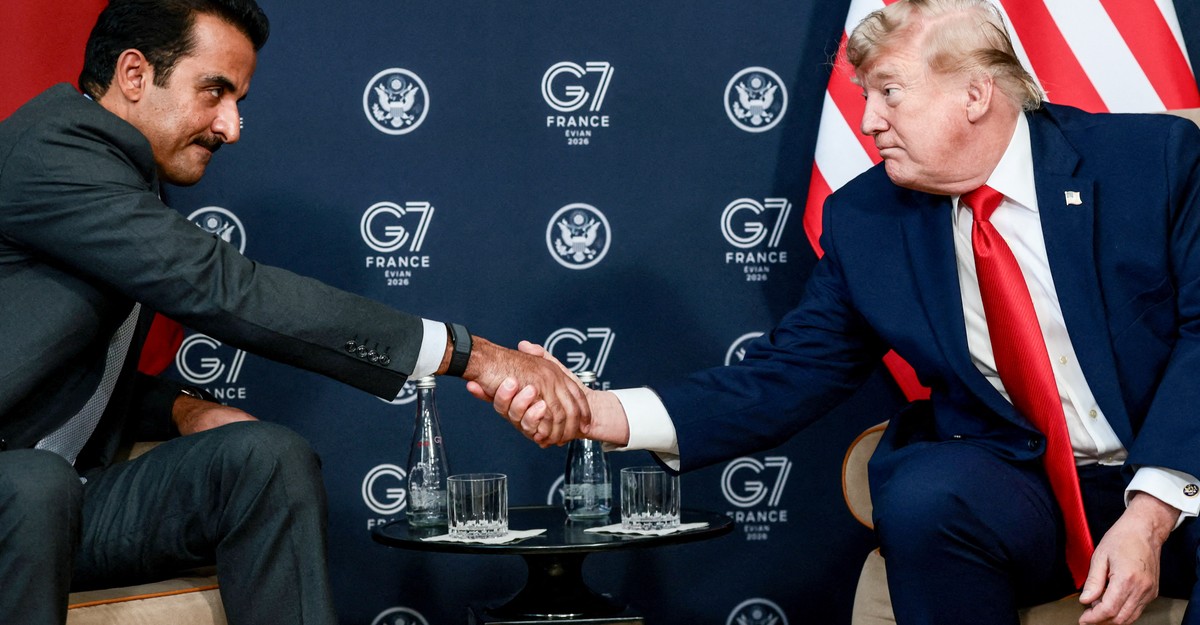
Trump Qatar Friendship Iran Deal
Executive Summary
AI-generatedGeopolitical de-escalation will cause a short-term decline in energy insurance premiums (GLOBAL_ENERGY) and reduce risk for LNG shipments (LNG_NATGAS). The most significant commercial signal is the downward pressure on logistics costs due to improved transit certainty. Main risk: If the market overestimates the speed or magnitude of geopolitical shifts, the expected declines may be significantly muted.
The potential MOU between the US and Iran, mediated by Qatar, suggests a de-escalation that would significantly reduce geopolitical risk premiums. The reopening of the Strait of Hormuz directly impacts global energy supply stability, particularly natural gas (LNG) transit routes. This could ease input cost pressures for global energy consumers and boost confidence in regional trade flows.
Key Insights
- MOU to end Iran-US conflict expected this week.
- Qatar played a key mediation role (Trump praised Qatar's emir).
- Agreement reportedly includes sanctions relief for Iran.
- Plan to reopen the Strait of Hormuz.
- Strait of Hormuz is vital for LNG shipments.
Topic context
Related topics
The full article is on the original publisher site.