www.rappler.com ·
Lebanon Fighting Eases US Iran Deal
News Analysis — AI Analysis
Original analysis generated by News Analysis. This is our own commentary on the story, not the publisher's article text.
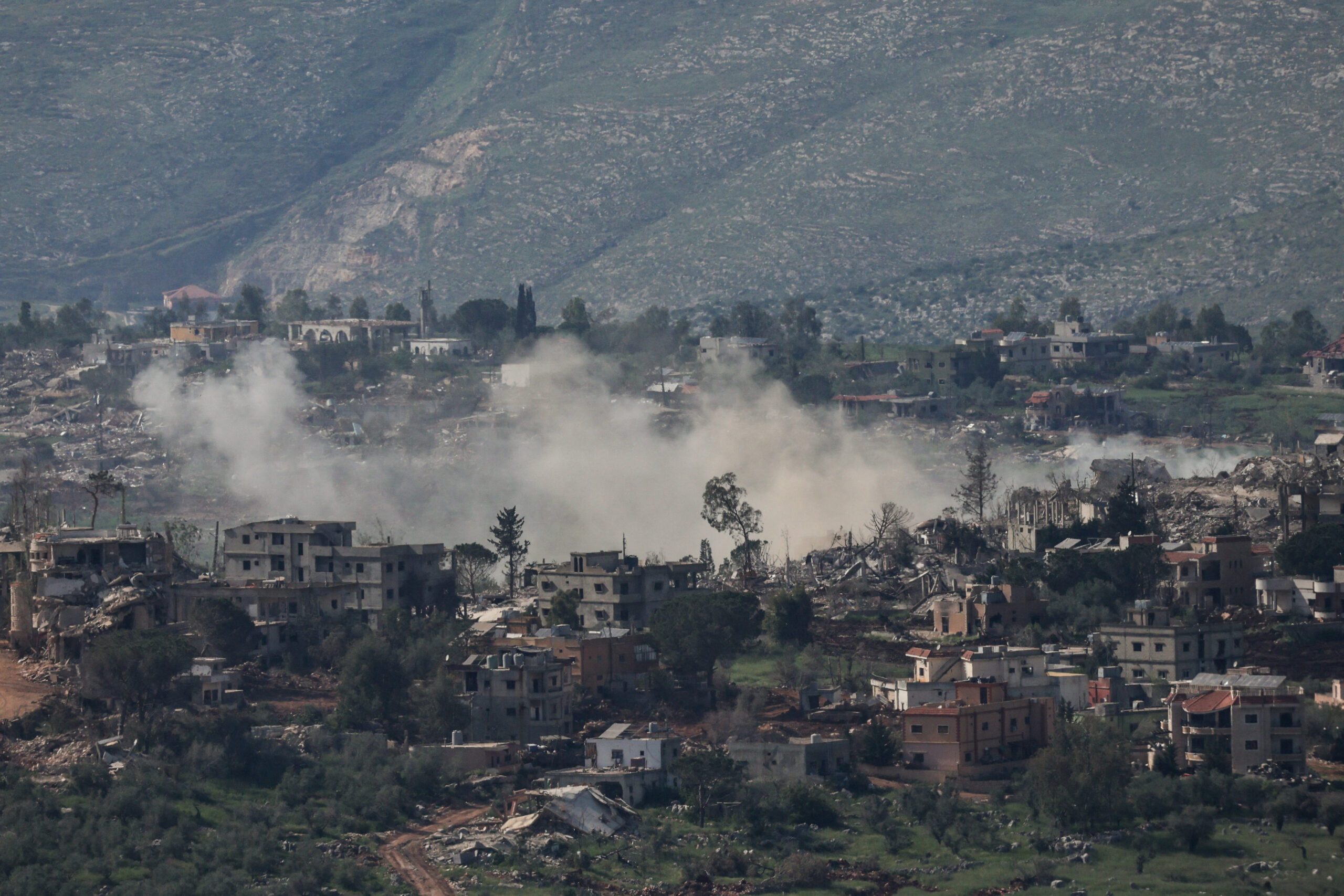
Fighting between Israel and Hezbollah in Lebanon eased significantly following a US-Iran agreement aimed at ending wider conflict. Although the deal called for an immediate cessation of military operations, sporadic violence continued, including an Israeli drone strike that killed a civilian in southern Lebanon. Furthermore, Israeli Prime Minister Netanyahu stated that his forces would remain stationed in southern Lebanon to prevent attacks from Hezbollah.
Key points
- A US-Iran agreement was reached, mediated by Pakistan, calling for the immediate and permanent end of military operations across all fronts, including Lebanon.
- Despite the deal, sporadic violence persisted, highlighted by an Israeli drone strike that killed a civilian in Kfar Tebnit.
- Hezbollah reported firing drones and rockets at Israeli forces, while Israel confirmed intercepting similar attacks.
- Israeli Prime Minister Benjamin Netanyahu stated that his troops would remain in southern Lebanon to maintain freedom of action against Hezbollah threats.
- The ceasefire's success is viewed as conditional by Hezbollah, which emphasized the need for Israel to adhere to the agreement.
Claims assessed
- VerifiableA deal was struck calling for the immediate and permanent termination of military operations on all fronts, including Lebanon.
- VerifiableThe US-Iran deal brought relative calm to southern Lebanon, though sporadic violence continued.
- VerifiableIsraeli Prime Minister Benjamin Netanyahu stated that his troops would remain in southern Lebanon as long as necessary.
- VerifiableHezbollah reported firing drones and rockets at Israeli military vehicles, which Israel confirmed intercepting.
Missing context
The article does not specify the full terms of the US-Iran deal beyond calling for a cessation of military operations; it also lacks independent confirmation regarding Netanyahu's claims about killing four militants.
Topic context
Related topics
The full article is on the original publisher site.
AI insight
AI-generatedDe-escalation reduces geopolitical war risk, pushing Crude Oil and maritime insurance premiums down moderately (magnitude 2) within 48 hours. The key risk across both sectors is that fundamental supply/demand factors and fixed contract pricing will temper the magnitude of these anticipated declines.
The primary impact is geopolitical stability affecting regional supply chains and energy transit routes (e.g., Mediterranean/Red Sea). The easing of conflict reduces immediate risk premiums on global shipping and oil transport passing through or near the Levant region. This suggests reduced short-term volatility for crude oil and associated logistics costs.
Signals our AI researcher identified
Extracted by our AI model from this article and related public sources — not direct quotes from the publisher.
- Fighting between Israel and Hezbollah in Lebanon eased on June 15, 2026.
- The easing of conflict followed a US-Iran deal aimed at ending the broader conflict.
- Israeli Prime Minister Benjamin Netanyahu stated that Israeli troops would remain in southern Lebanon as needed.
- Lebanese President Joseph Aoun welcomed the US-Iran deal, which included a ceasefire for Lebanon.
Affected products & commodities
- Crude Oil
- Shipping Insurance Premiums
- Regional Logistics Services
Supply-chain signals
- Mediterranean Sea stability
- Levant region transit security
Historical parallels
- Past de-escalation in the Middle East has typically led to a rapid decrease in war risk premiums (e.g., oil price dips, insurance rate drops) and a normalization of shipping schedules.
This analysis would be wrong if
If global inventories prove sufficient to absorb any demand shock, or if major oil-producing blocs (OPEC+) announce immediate production increases, thereby negating the geopolitical discount.
Crude Oil prices are expected to stabilize over the next 2-4 weeks, remaining sensitive to regional security guarantees and diplomatic outcomes. The key risk is continued volatility if follow-up political actions fail.
Sign in to see all sector verdicts, full thesis and counter-argument debate.
Sector impact at a glance
- GLOBAL_ENERGYmid
- GLOBAL_ENERGYshort
- LOGISTICS_SHIPPINGmid
- LOGISTICS_SHIPPINGshort
Related stories
newsweek.com
Ecological Toll War Ukraine to Vietnam Explained
independent.co.uk
Donald Trump Strait of Hormuz Iran White House France B
independent.co.uk
UK Russia Warship Shadow Fleet Incidents Ukraine War B
abc7.com
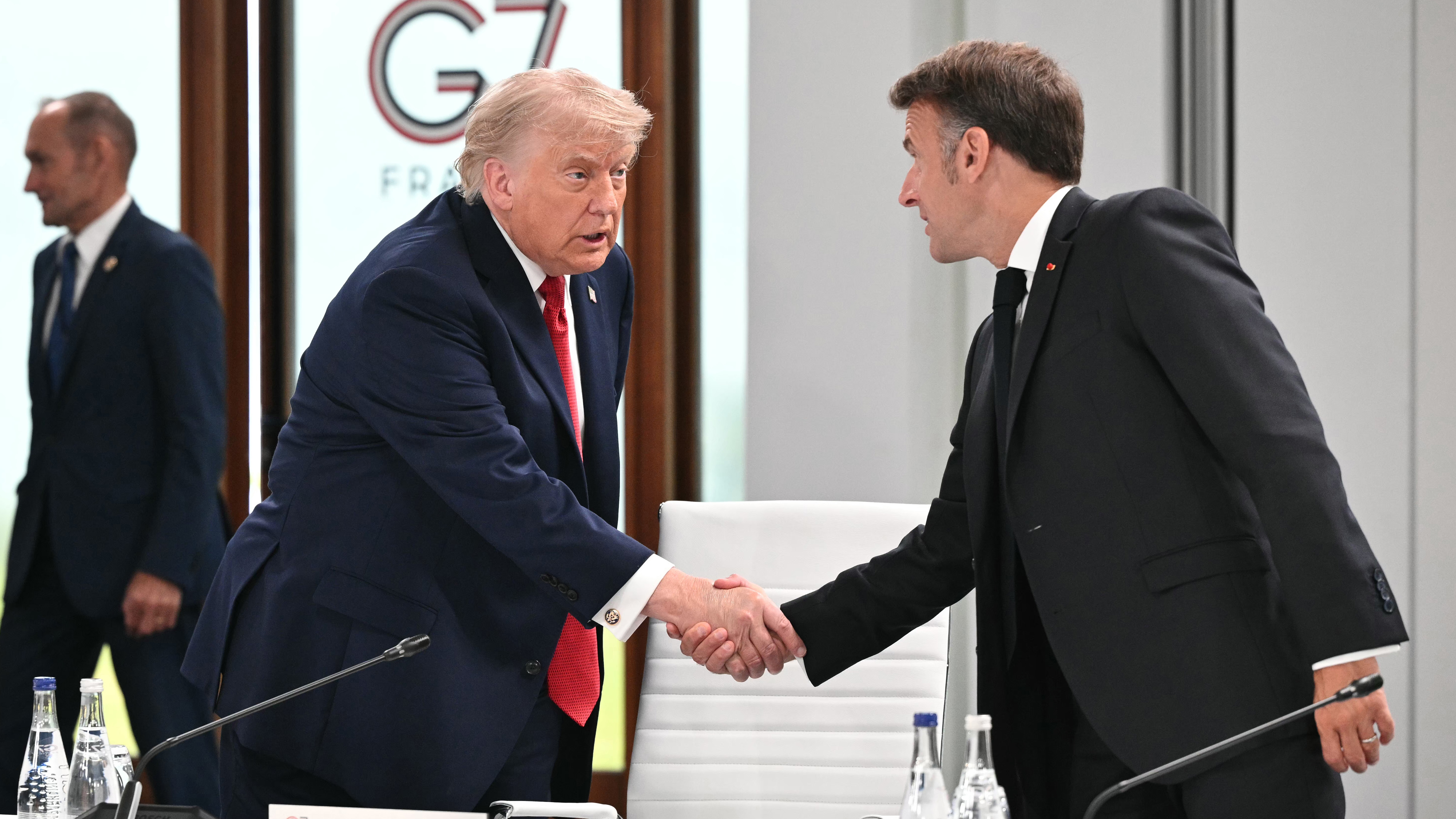
G7 Leaders Back Trumps Plan End Iran War Faces Skepticism Home

newsweek.com