economictimes.indiatimes.com ·
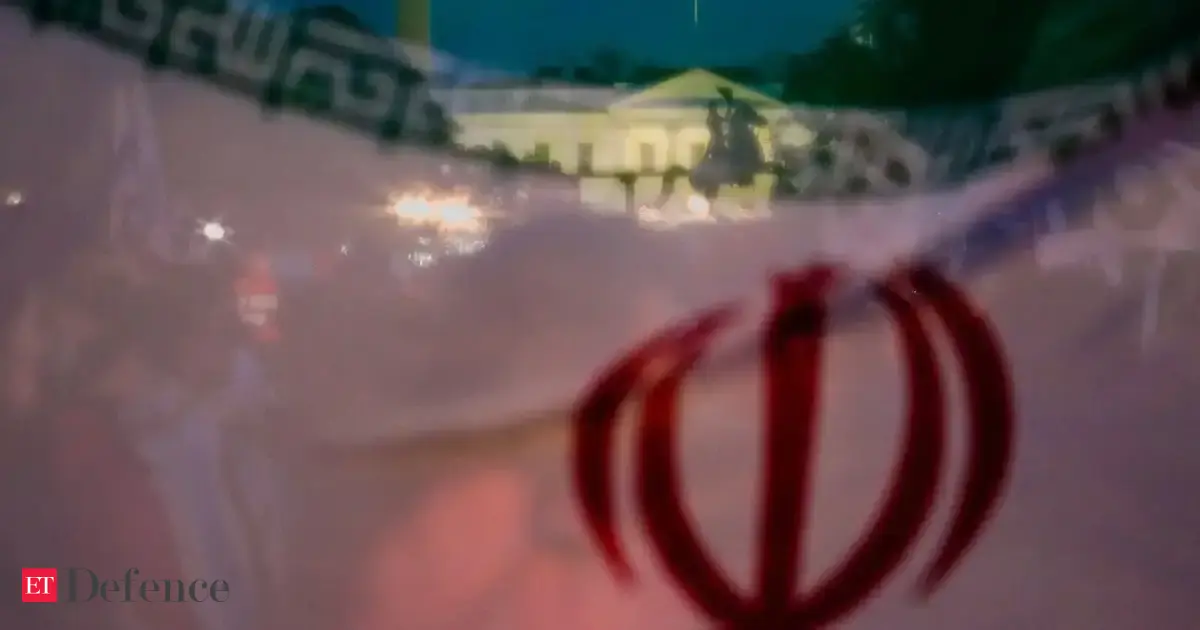
US Iran Peace Talks Senior Officials Link Sanctions Relief to Nuclear Compliance Guarantees
News Analysis — AI Analysis
Original analysis generated by News Analysis. This is our own commentary on the story, not the publisher's article text.
Senior US officials outlined a framework for future relations with Iran, linking potential sanctions relief and economic reintegration to strict guarantees regarding nuclear oversight and regional security. This understanding establishes that Tehran's access to global markets will depend on verifiable cooperation concerning its nuclear program and reducing activities linked to regional destabilization. The agreement emphasizes conditional reciprocity, suggesting prosperity is contingent upon Iran behaving like a normal state.
Key points
- The proposed framework links sanctions relief and economic opportunities for Iran to strict adherence to nuclear oversight and regional security commitments.
- US officials stated that increased maritime traffic through the Strait of Hormuz was expected as part of the process.
- The deal emphasizes conditional reciprocity, suggesting that normal behavior by Iran will lead to favorable treatment from the US.
- Iran is presented with two paths: continued economic isolation or gradual reintegration into global markets under stringent verification.
- US officials asserted that pursuing nuclear weapons has historically cost Iran significant economic opportunity and resources.
Claims assessed
- VerifiableThe agreement establishes a mechanism where Iran's access to economic opportunities and sanctions relief is tied to verifiable cooperation on its nuclear program and reducing regional destabilization.
- VerifiableA senior US official stated that the relationship structure requires Iran to work on its nuclear program, not build weapons, and avoid funding radicalism or terrorism in the region for economic benefits.
- VerifiableThe framework predicts a significant increase in maritime traffic through the Strait of Hormuz starting immediately.
- VerifiableUS officials claimed that Iran's nuclear weapons program has been systematically destroyed and cannot be rebuilt without violating the verification mechanism.
Missing context
The article does not specify which specific international bodies or parties will oversee the 'enforcement verification mechanism' mentioned in the agreement, nor does it detail the timeline or criteria for Iran to be considered a 'normal country'.
Topic context
Related topics
The full article is on the original publisher site.
AI insight
AI-generatedIncreased maritime traffic through the Strait of Hormuz boosts immediate freight and insurance rates for Crude Oil (2-4% up in 48h); GLOBAL_ENERGY rises short-term, while EM_MARKETS face dampened currency gains. Main risk: The magnitude of commodity price spikes is likely limited by global inventory buffers and existing shipping schedules.
The proposed US-Iran framework links sanctions relief (economic reintegration) directly to Iran's compliance with nuclear and regional security commitments. This mechanism suggests a potential easing of input costs/market access for Iranian goods, while simultaneously increasing global energy flow through the Strait of Hormuz. The primary commercial impact is on oil/gas trade routes and associated financial flows.
Signals our AI researcher identified
Extracted by our AI model from this article and related public sources — not direct quotes from the publisher.
- Sanctions relief linked to nuclear compliance guarantees.
- Economic reintegration contingent on cooperation regarding nuclear program and regional security.
- Immediate increase in maritime traffic through the Strait of Hormuz expected.
- Peace framework set to be signed in Geneva later this week.
Affected products & commodities
- Crude Oil (via Strait of Hormuz)
- Natural Gas
- Iranian exports
Supply-chain signals
- Strait of Hormuz maritime traffic volume
- US-Iran trade sanctions status
Historical parallels
- Past agreements linking sanctions relief to behavioral changes (e.g., JCPOA) typically result in initial commodity price volatility and increased shipping/insurance demand through affected chokepoints.
This analysis would be wrong if
If shipment disruption or insurance premiums do not normalize quickly, or if the US/Iran framework fails to define concrete operational timelines for sanctions removal.
Sanctions relief and economic reintegration provide sustained upward pressure on regional oil/gas export margins; therefore GLOBAL_ENERGY is affected up.
Sign in to see all sector verdicts, full thesis and counter-argument debate.
Sector impact at a glance
- EM_MARKETSmid
- FX_USDmid
- GLOBAL_ENERGYmid
- GLOBAL_ENERGYshort
Related stories

kmbc.com
Kevin Warsh First Fed Meeting Interest Rates

kuow.org:443
3 things to know about the new fed chief s first meeting

bobsguide.com
What Zilchs Fjord Bank Acquisition and Dame Clare Barclays Appointment Signal for Cross Border Fintech Scaling
newsweek.com
Ecological Toll War Ukraine to Vietnam Explained
independent.co.uk