www.sabah.com.tr · · TR
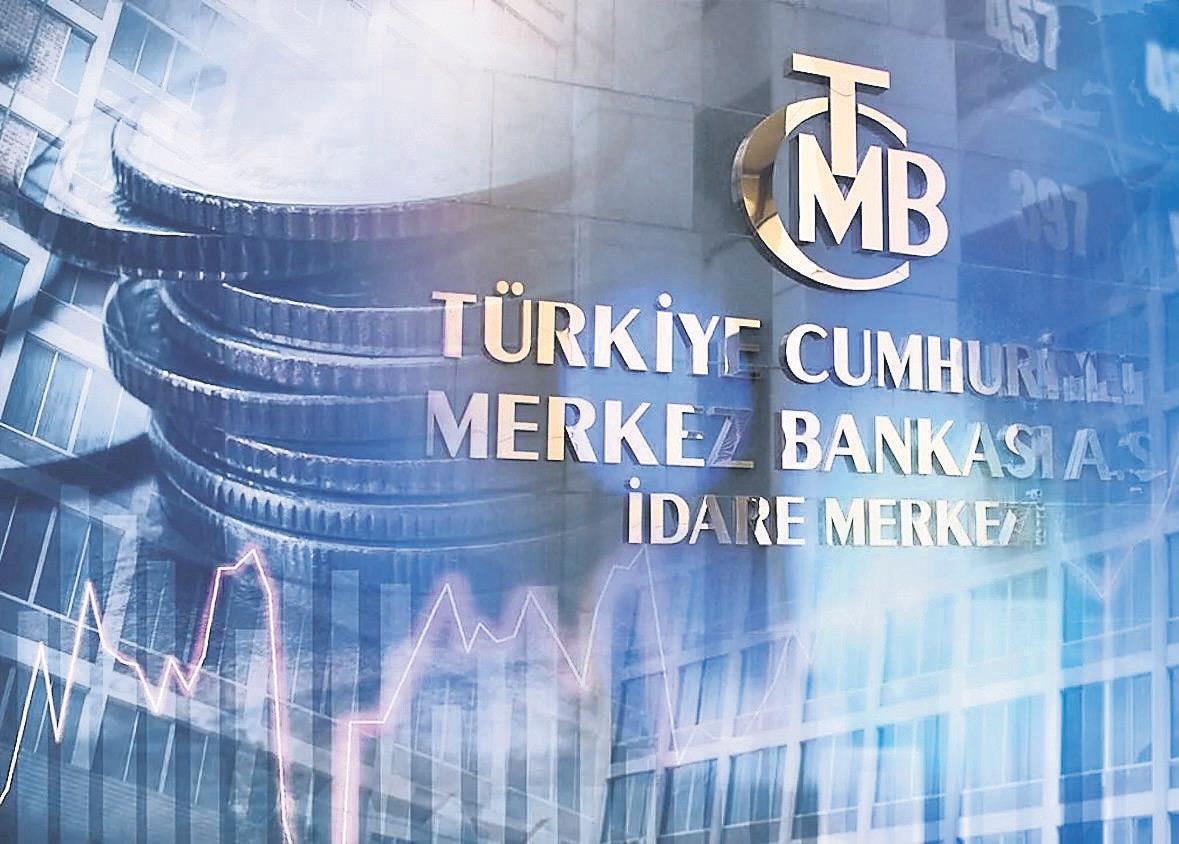
Merkez Bankasi Barisi Bekliyor
News Analysis — AI Analysis
Original analysis generated by News Analysis. This is our own commentary on the story, not the publisher's article text.
The author argues that the Central Bank of the Republic of Turkey (TCMB) should not raise interest rates, noting that such a move would be ineffective against inflation and could unnecessarily slow economic activity. He suggests that a period of peace in the Middle East, particularly related to the war, is necessary for positive economic developments and potential future rate cuts.
Key points
- The TCMB's decision not to change policy rates was largely aligned with market expectations.
- Raising interest rates would have limited impact on disinflation because inflation is primarily driven by energy and raw material costs from the war.
- Current economic indicators suggest a slowdown, making it difficult for monetary policy to curb inflation without harming growth.
- The author contrasts Turkey's high real interest rate (double digits) with the recent rate hike by the European Central Bank (ECB).
- A resolution to the conflict in the Middle East is viewed as the most positive catalyst for both economic recovery and potential future rate cuts.
Claims assessed
- VerifiableRaising interest rates would not create a significant effect on disinflation.
- VerifiableThe annual growth rate of 2.5% shows the Turkish economy maintaining resilience against difficult conditions.
- UnverifiedThe author believes that a period of peace would be extremely positive for the economy and pave the way for interest rate cuts.
- VerifiableTurkey's real interest rate is in double digits, which is worse than the recent ECB decision.
Missing context
The article does not provide detailed data or forecasts regarding the expected timeline or conditions required for peace in the Middle East, nor does it offer concrete alternative policies to rate hikes beyond waiting for geopolitical stability.
Topic context
The full article is on the original publisher site.
AI insight
AI-generatedGeopolitical de-escalation is the key driver: it pushes TRY/EM_MARKETS up (2-3% to 5%+ over medium term), while external tightening keeps EM_BANKING and FX_USD flat in the short run. Main risk: if central banks globally maintain high rates for longer, the expected rebound magnitude will be significantly capped.
The TCMB maintained its interest rate despite international pressure, signaling caution and awaiting geopolitical stability (Iran-Israel/US conflict) which could trigger a future rate cut. The ECB's rate hike signals continued inflation concern in the Eurozone, increasing FX volatility for emerging markets like Turkey. This primarily affects local currency pass-through and capital flow expectations.
Signals our AI researcher identified
Extracted by our AI model from this article and related public sources — not direct quotes from the publisher.
- TCMB held policy interest rate steady in June 2026.
- ECB raised rates by 25 basis points to 2.25%.
- Turkey's economy is growing at an annual rate of 2.5% (preliminary).
- TCMB awaits potential peace agreement impact from Iran-Israel/US conflict.
Affected products & commodities
- Turkish Lira (TRY)
- Interest rates/Credit costs in Turkey
- Eurozone interest rates
Supply-chain signals
- Geopolitical stability (Iran-Israel/US conflict) impacting trade routes and investment sentiment.
Historical parallels
- When major geopolitical conflicts de-escalate, central banks often pivot towards rate cuts to stimulate domestic growth; historically, this has led to temporary strengthening of the local currency (TRY) and boosting consumer confidence.
This analysis would be wrong if
If global rate hikes are fully priced into current yields, or if geopolitical de-escalation does not lead to a concrete policy pivot (e.g., clear rate cut path) from major central banks.
Successful de-escalation of geopolitical conflicts improves risk appetite and boosts overall EM investment flows; therefore EM_MARKETS is affected up.
Sign in to see all sector verdicts, full thesis and counter-argument debate.
Sector impact at a glance
- EM_BANKINGmid
- EM_BANKINGshort
- EM_MARKETSmid
- EM_MARKETSshort
- FX_USDmid
- FX_USDshort
Related stories
aa.com.tr
Morning Briefing June 14 2026
yahoo.com
Russia Overwhelming Manpower Advantage Against
thedailystar.net
What the 57th Border Talks Refused Say About Bsf Killings and Push Ins

irishtimes.com
Nothing Works Russians React as Intelligence Services Shut Down the Internet
watson.ch