www.newsweek.com ·
Jd Vance Joins Iran Nuclear Talks Amid Conflicting Hormuz Dispute
Executive Summary
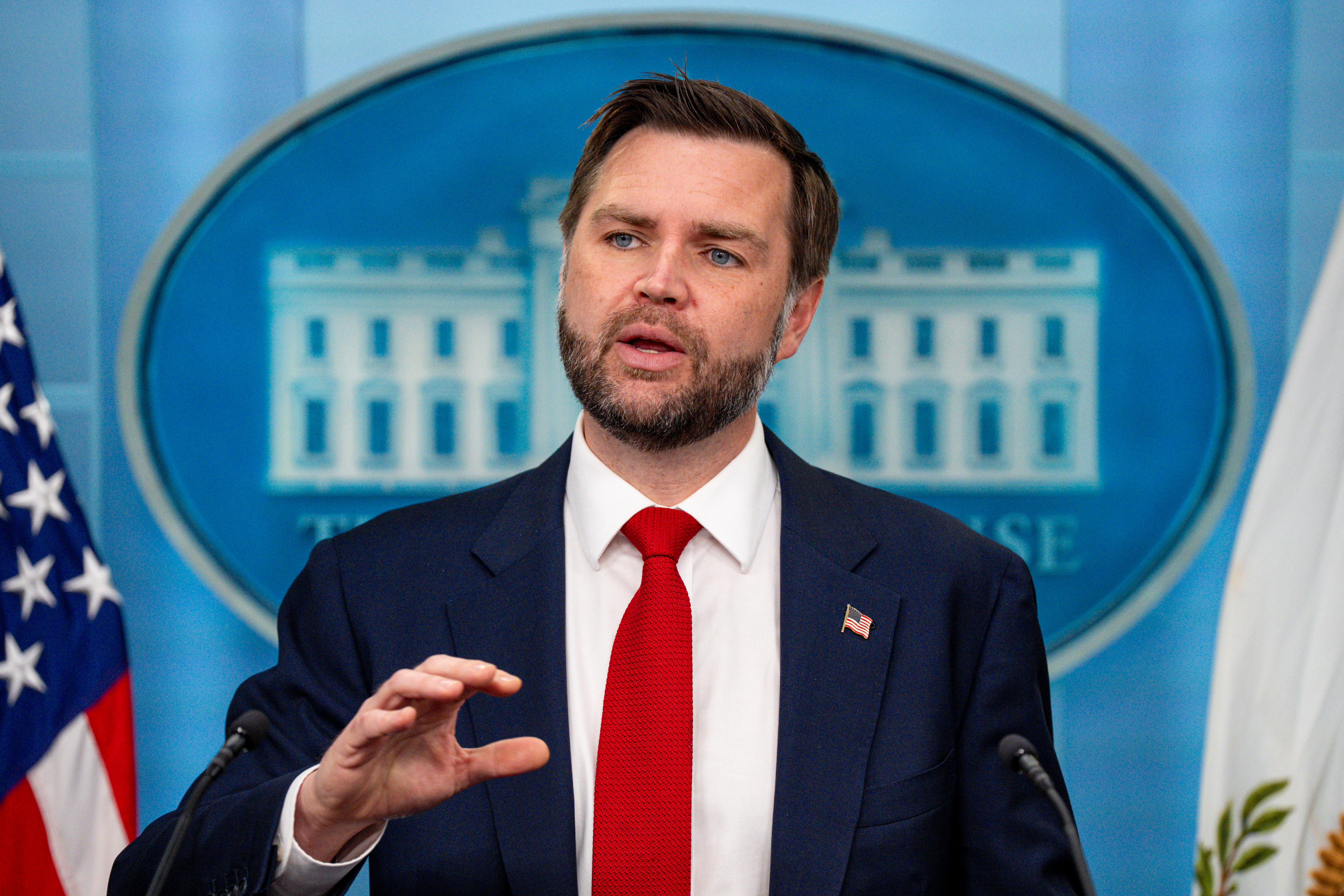
AI-generatedVice President JD Vance traveled to Switzerland for follow-up talks between the U.S. and Iran regarding a final agreement on Tehran's nuclear program. These negotiations, following an initial memorandum of understanding (MOU) signed by Donald Trump and Masoud Pezeshkian, are complicated by regional tensions, including fighting in Lebanon and Iran's claim to have closed the Strait of Hormuz. Multiple international figures, including Pakistani officials and Qatari mediators, are expected to participate.
The primary commercial mechanism is geopolitical risk affecting global energy supply and maritime trade. Iran's potential restriction or closure of the Strait of Hormuz, a critical chokepoint for oil and gas exports, directly threatens global crude oil (Brent/WTI) supply and increases insurance/freight costs for all shipping passing through the Persian Gulf. The agreement to allow unrestricted oil sales suggests an immediate attempt to stabilize market access, but the geopolitical tension remains high.
Key Insights
- The U.S. and Iran are engaged in detailed negotiations in Switzerland to finalize an agreement on Iran's nuclear program.
- The talks follow a framework MOU signed by Donald Trump and Masoud Pezeshkian, setting up a 60-day window for technical provisions.
- Regional instability is complicating the diplomatic effort, highlighted by fighting between Israel and Hezbollah in Lebanon.
- Iran's military announced the closure of the Strait of Hormuz, though U.S. Central Command disputed this claim.
- The negotiation process involves senior Iranian officials, special envoys like Jared Kushner, and mediators from Pakistan and Qatar.
Topic context
The full article is on the original publisher site.