www.euronews.com ·
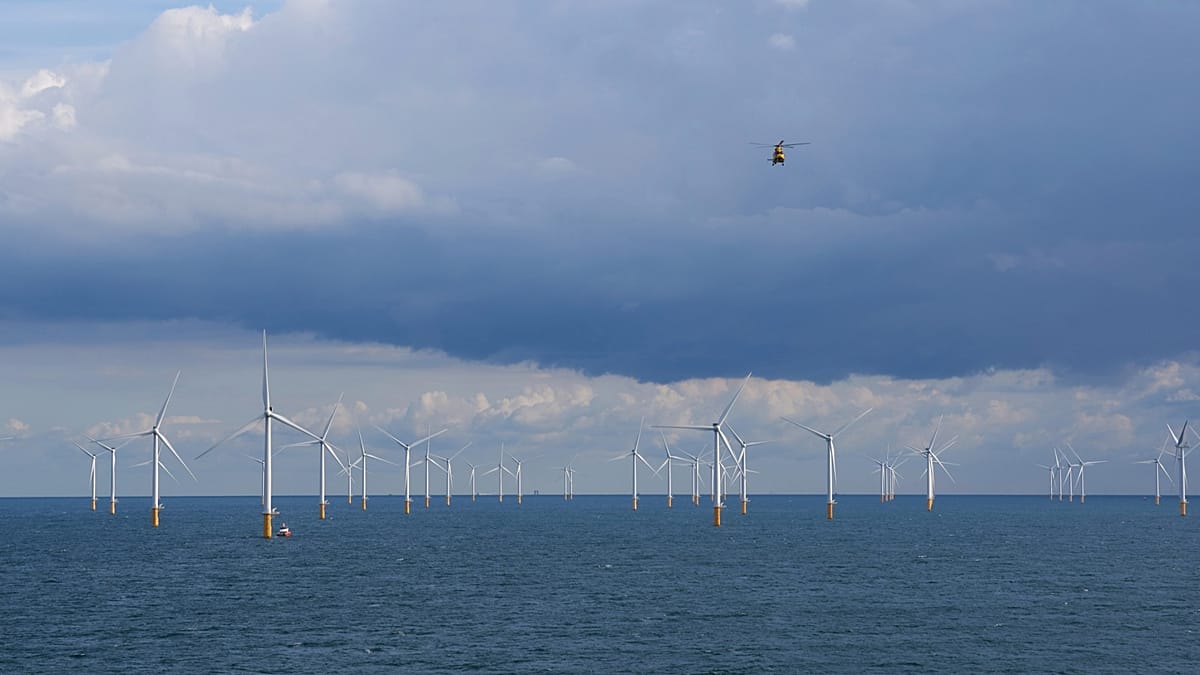
europes offshore wind power is vulnerable to attacks who is responsible for protecting it
Topic context
This topic has been covered 365572 times in the last 30 days across our monitored publishers.
The full article is on the original publisher site. This page only shows the headline and a very short excerpt.
AI insight
AI-generatedThe article highlights security vulnerabilities in North Sea offshore wind farms, which are critical for Europe's renewable energy transition. The unclear jurisdiction and fragmented defense systems create operational risks for wind farm operators and insurers. Potential sabotage or drone attacks could disrupt power generation, increase insurance premiums, and raise security costs for utilities and developers. The impact is region-specific (North Sea, Europe) and affects the renewable energy sector's investment and operational stability.
Signals our AI researcher identified
Extracted by our AI model from this article and related public sources — not direct quotes from the publisher.
- Over 100 offshore wind farms operate in the North Sea as of early 2026.
- Germany aims to expand offshore wind capacity to 9.7 GW by 2025 and sevenfold by 2045.
- Security responsibility for offshore wind farms is unclear due to fragmented defense systems.
- Threats include hybrid warfare, sabotage, and drone surveillance.
- Countries involved: Germany, UK, Netherlands, Denmark, Belgium.
Governments may allocate funds for offshore wind security, boosting defense contractors' order books by 2-5% over 2-4 weeks.
Sign in to see all sector verdicts, full thesis and counter-argument debate.
Sector impact at a glance
- AEROSPACE_DEFENSEmid
- AEROSPACE_DEFENSEshort
- RENEWABLESmid
- RENEWABLESshort
- UTILITIESshort