www.newsx.com ·
Petrol and Diesel Prices Today June 13 Check Fuel Rates in Delhi Mumbai Chennai and Other Cities
News Analysis — AI Analysis
Original analysis generated by News Analysis. This is our own commentary on the story, not the publisher's article text.
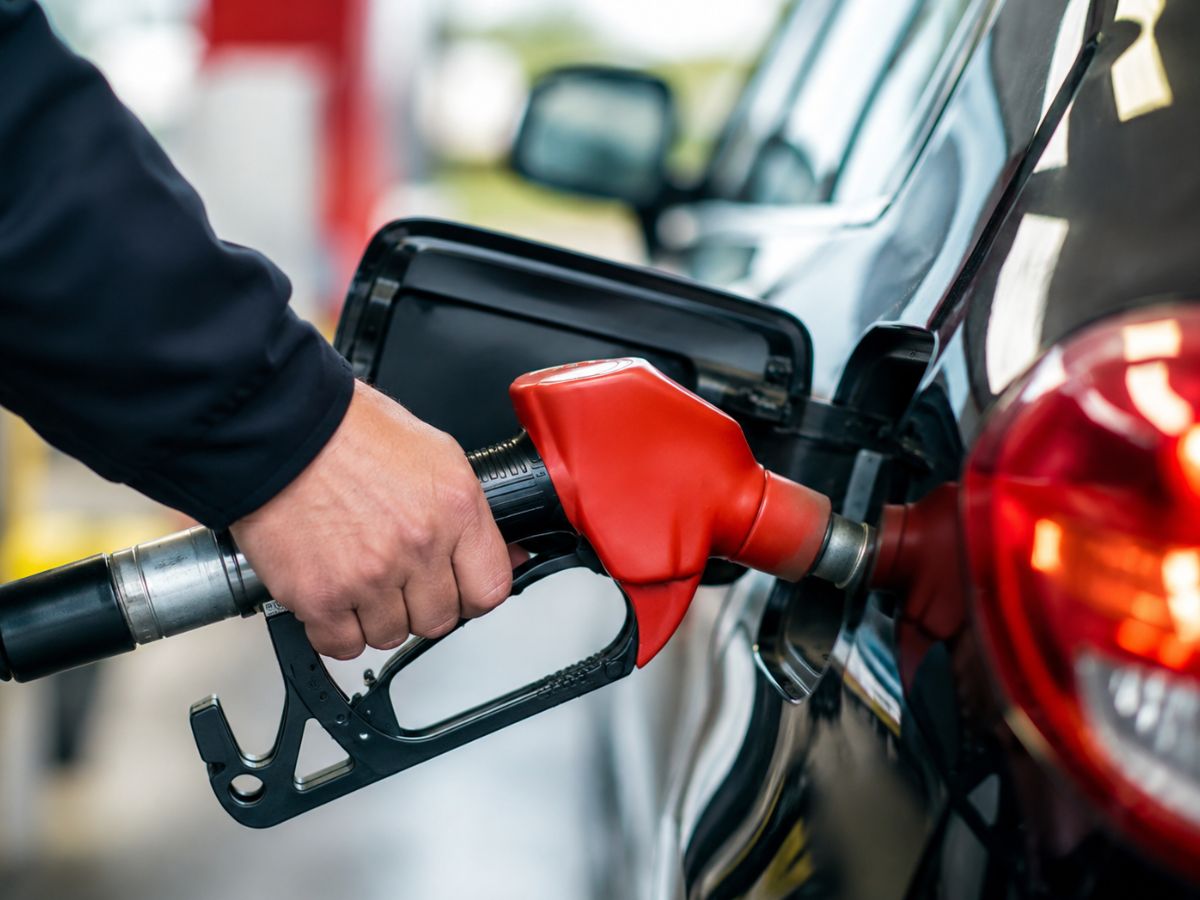
On June 13, petrol and diesel prices remained unchanged across major Indian cities like Delhi, Mumbai, and Chennai. This stability comes amid a volatile international energy market, which is influenced by geopolitical tensions such as those involving Iran and the Strait of Hormuz. Furthermore, the government has implemented stricter rules restricting how industrial and commercial users can purchase fuel to prevent supply disruption.
Key points
- Fuel prices for petrol and diesel were stable in major Indian cities on June 13.
- The current price stability follows previous hikes by Oil Marketing Companies (OMCs) since May 15.
- Global crude oil markets are volatile due to geopolitical tensions, particularly concerning the Strait of Hormuz.
- New government regulations restrict industrial and commercial users from buying fuel at retail outlets.
- Under the new rules, diesel purchases are limited to 200 liters per day per customer or vehicle.
Claims assessed
- VerifiablePetrol and diesel prices were stable in major Indian cities on June 13.
- VerifiableThe government has restricted industrial users from purchasing petrol and diesel at retail outlets to prevent hoarding.
- VerifiableGlobal crude oil prices are volatile due to tensions involving Iran and the Strait of Hormuz.
Missing context
While the article details current pricing and restrictions, it does not provide a clear timeline or mechanism for when these temporary government supply rules might be reviewed or lifted. Readers should also note that the listed prices are specific to June 13 and may change rapidly based on global oil market shifts.
Topic context
Related topics
The full article is on the original publisher site.
AI insight
AI-generatedGeopolitical tensions are pushing global crude oil benchmarks up (2/3 magnitude) within the short term, increasing input costs for refined fuels. This upward pressure is moderated by government policy interventions and existing inventory buffers. Main risk: if geopolitical disruptions fail to materialize or are managed by alternative routes, the price spike will be muted.
The immediate price stability for retail fuels (petrol/diesel) in India is a short-term consumer relief, but this pause masks underlying volatility. The core commercial pressure comes from global crude oil price volatility driven by geopolitical risks (Iran tensions, Strait of Hormuz blockage), which directly affects input costs and the pricing power of Indian Oil Marketing Companies (OMCs).
Signals our AI researcher identified
Extracted by our AI model from this article and related public sources — not direct quotes from the publisher.
- Petrol and diesel prices are unchanged in major Indian cities (Delhi, Mumbai, Chennai) on June 13.
- OMCs previously hiked petrol and diesel prices by around Rs 7.5 per liter since May 15.
- The pause is occurring amid a tense international energy market environment.
- Crude oil prices are volatile due to tensions involving Iran.
- Concerns exist regarding the potential blockage of the Strait of Hormuz.
Affected products & commodities
- Petrol (Gasoline)
- Diesel Fuel
- Crude Oil
Supply-chain signals
- Strait of Hormuz transit security
- Global oil shipment routes
Historical parallels
- Geopolitical tensions (e.g., Middle East conflicts) often cause immediate spikes in crude oil prices and subsequent pass-through increases to refined products like diesel/petrol, as seen historically during supply route disruptions.
This analysis would be wrong if
If global inventories prove sufficient, or if major shipping companies successfully establish reliable alternative routes around key chokepoints like Hormuz without significant insurance premium hikes.
Sustained geopolitical risk suggests a moderate but persistent upward trajectory for crude oil benchmarks over the next few weeks. The key risk is that systemic volatility will increase collateral requirements and regulatory scrutiny.
Sign in to see all sector verdicts, full thesis and counter-argument debate.
Sector impact at a glance
- COMMODITY_OILmid
- COMMODITY_OILshort
- EM_TRANSPORTshort
- GLOBAL_ENERGYmid
- GLOBAL_ENERGYshort
Related stories

nakedcapitalism.com
Links 6 13 2026
laist.com
Trump Says US Military Strike Killed Leader of Tren De Aragua Gang

irishtimes.com
Grafton Chief Bets on Piigs Boom as Northern European Markets Stall

mirror.co.uk
Masterchef Contender Robert Walton Warns

theguardian.com