www.digitaljournal.com ·
From Graduation Boos to Voter Unease AI Anxiety Grows in the US

Topic context
This topic has been covered 428870 times in the last 30 days across our monitored publishers.
The full article is on the original publisher site. This page only shows the headline and a very short excerpt.
AI insight
AI-generatedGrowing public and regulatory backlash against AI in the US may slow AI adoption and data center buildout. This could reduce demand for AI infrastructure (GPUs, data centers) and increase compliance costs for AI companies. The channel is regulatory and demand_spike reversal. Impact is US-specific but could affect global tech supply chains. Winners/losers not specified.
Signals our AI researcher identified
Extracted by our AI model from this article and related public sources — not direct quotes from the publisher.
- 70% of Americans believe AI is advancing too quickly.
- Trump administration reconsidering AI regulation, advocating for vetting AI models before release.
- Expansion of data centers faces political backlash including violence against officials.
- Musk v. Altman trial begins April 2026 in Oakland, California.
- Speakers promoting AI booed at universities.
Over 1-4 weeks, AI adoption slowdown may reduce software revenue growth but offset by enterprise demand.
Sign in to see all sector verdicts, full thesis and counter-argument debate.
Sector impact at a glance
- AI_INFRASTRUCTUREmid
- AI_INFRASTRUCTUREshort
- GLOBAL_TECHmid
- GLOBAL_TECHshort
- UTILITIESmid
Related stories

economictimes.indiatimes.com
Petrol Diesel Price Hike Rs 3 Per Litre India Food Inflation Retail Growth Iran War Impact Rbi Crude Oil
rte.ie
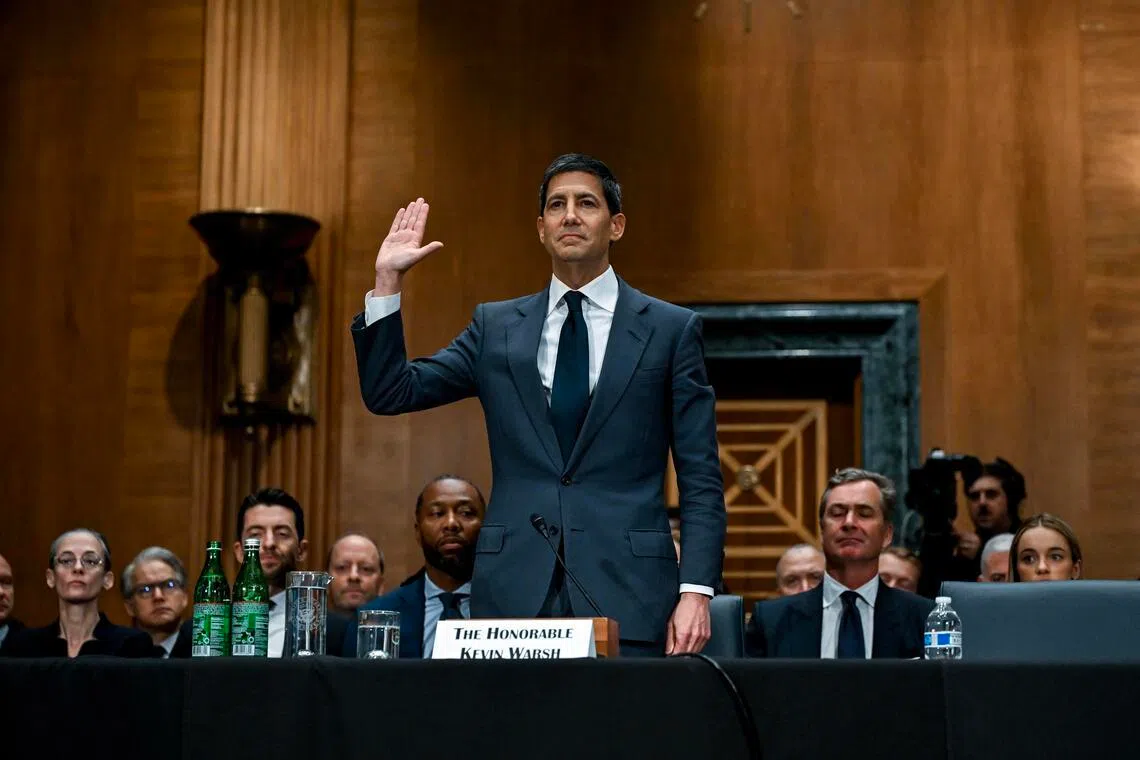
1573272 warsh confirmed as fed chair as bank faces trump assault
straitstimes.com
Kevin Warsh Confirmed as Fed Chair as Central Bank Faces Trump Assault
finance.yahoo.com
Transcript Valneva Q1 2026 Earnings
fool.com