www.merkur.de · · DE
Rand Des Sozialen Zusammenbruchs Russischer Abgeordneter Warnt Putin Wir Stehen Am Zr
News Analysis — AI Analysis
Original analysis generated by News Analysis. This is our own commentary on the story, not the publisher's article text.
A Russian Duma deputy, Vyacheslav Markhachev, publicly criticized Vladimir Putin's leadership and demanded a plan to end the Ukraine war, citing economic collapse, corruption, and social unrest. This criticism joins a growing trend of opposition among politicians, including former loyalists, who are voicing discontent with the government's handling of the conflict. The article also notes declining public trust in Putin and severe economic pressures due to high defense spending and Ukrainian attacks on key infrastructure.
Key points
- A Duma deputy publicly criticized Vladimir Putin's leadership, warning that Russia is nearing a 'social explosion.'
- Several Russian politicians are openly criticizing the government and calling for an early end to the war in Ukraine.
- Public trust in President Putin has reportedly fallen to historic lows, leading state media to cease publishing confidence ratings.
- Russia's economy faces severe challenges due to high defense spending and Ukrainian attacks on oil refining facilities.
- Defense expenditures have risen sharply, reaching levels not seen since the Cold War.
Claims assessed
- VerifiableThe Russian economy is facing collapse following the Ukraine offensive.
- VerifiableVyacheslav Markhachev, a Duma deputy from the Communist Party, criticized Putin's leadership and demanded an end to the war in Ukraine.
- VerifiableThe article mentions that former loyalists are now criticizing Putin, citing examples like Ilja Remeslo calling him a 'war criminal.'
- VerifiableState-controlled media has stopped publishing confidence ratings for President Putin after they reached their lowest point.
Missing context
The article does not provide specific details regarding the current military situation or what concrete plans the opposition politicians are proposing to replace Putin's leadership.
The full article is on the original publisher site.
AI insight
AI-generatedPolitical dissent and resource reallocation push non-military industrial goods and energy services downward in the short term (magnitude 2-3). The strongest signal is that military demand creates a structural floor, stabilizing core energy resources and state-backed banking functions in the medium term. Main risk: if sanctions escalate or political instability leads to localized supply chain breakdowns not covered by state guarantees, the decline could accelerate.
The article describes internal political dissent in Russia regarding the war effort and economic collapse. This signals severe domestic instability (EM_INDUSTRIALS/EM_BANKING) and potential resource reallocation away from civilian sectors toward military spending (GLOBAL_ENERGY/EM_INDUSTRIALS). The primary commercial mechanism is geopolitical risk leading to reduced investment confidence, but no specific product price or concrete financial transaction is detailed.
Signals our AI researcher identified
Extracted by our AI model from this article and related public sources — not direct quotes from the publisher.
- Russian parliamentary deputy criticized Putin's leadership and the war effort.
- Russia faces warnings of economic collapse and social explosion.
- Military spending surged to 46% of the federal budget.
- Putin signed a decree to increase army personnel by nearly 10,000.
Affected products & commodities
- Russian industrial output
- Domestic consumer goods
- Energy resources allocation
Supply-chain signals
- Internal Russian labor market stability
- Military procurement capacity utilization
Historical parallels
- Periods of high internal political dissent and military spending surges (e.g., Ukraine's early war years) typically lead to capital flight, currency depreciation, and increased reliance on state-controlled industrial capacity.
This analysis would be wrong if
If concrete evidence of international financial decoupling is published (e.g., major Western banks cease all transactions), or if a specific timeline for industrial/energy resource shortages due to infrastructure failure is announced.
Increased military spending ensures sustained demand for energy resources. The key risk is that geopolitical tensions could disrupt long-term supply routes.
Sign in to see all sector verdicts, full thesis and counter-argument debate.
Sector impact at a glance
- EM_BANKINGmid
- EM_BANKINGshort
- EM_INDUSTRIALSmid
- EM_INDUSTRIALSshort
- GLOBAL_ENERGYmid
- GLOBAL_ENERGYshort
Related stories

theglobeandmail.com
Article Premarket Stocks Rise as Spacex Fever Lifts Tech Yen Flat After Boj
themoscowtimes.com
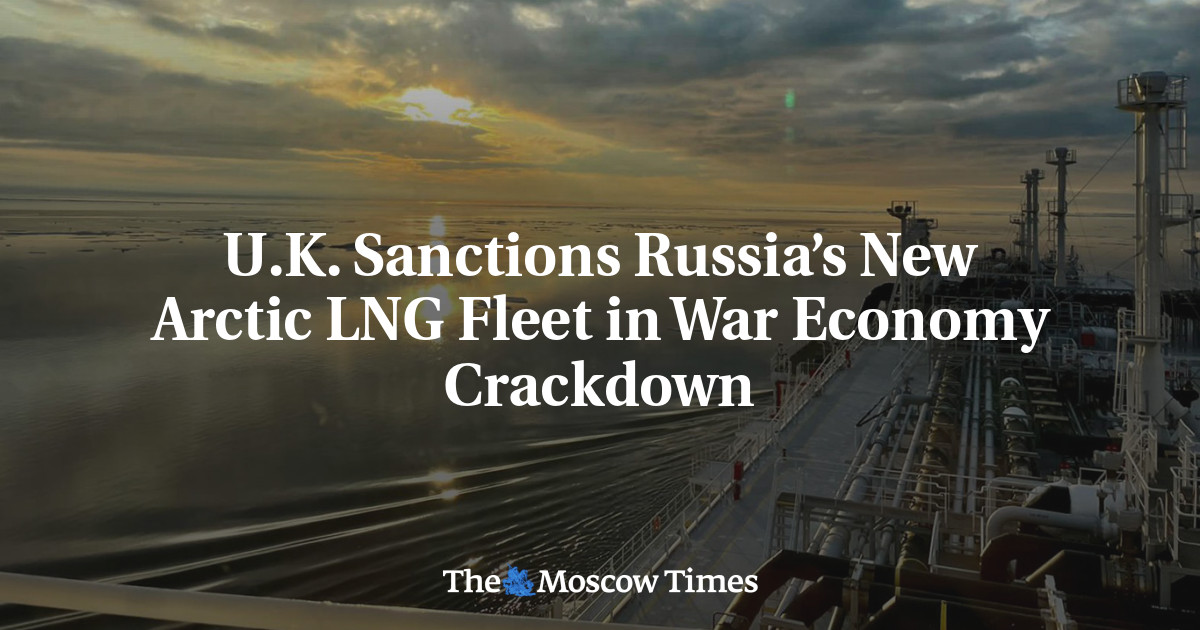
UK Sanctions Russias New Arctic Lng Fleet in War Economy Crackdown a

economictimes.indiatimes.com
Rupee Closes at 94 56 vs Usd US Iran Peace Agreement Details Fed Guidance Awaited

middleeasteye.net
Iran Dealt Israel Crushing Defeat and Vindicated Americas Antiwar Majority
economictimes.indiatimes.com