www.independent.co.uk · · GB
Trump Israel Banned Iran Peace Deal Netanyahu Lebanon B
News Analysis — AI Analysis
Original analysis generated by News Analysis. This is our own commentary on the story, not the publisher's article text.
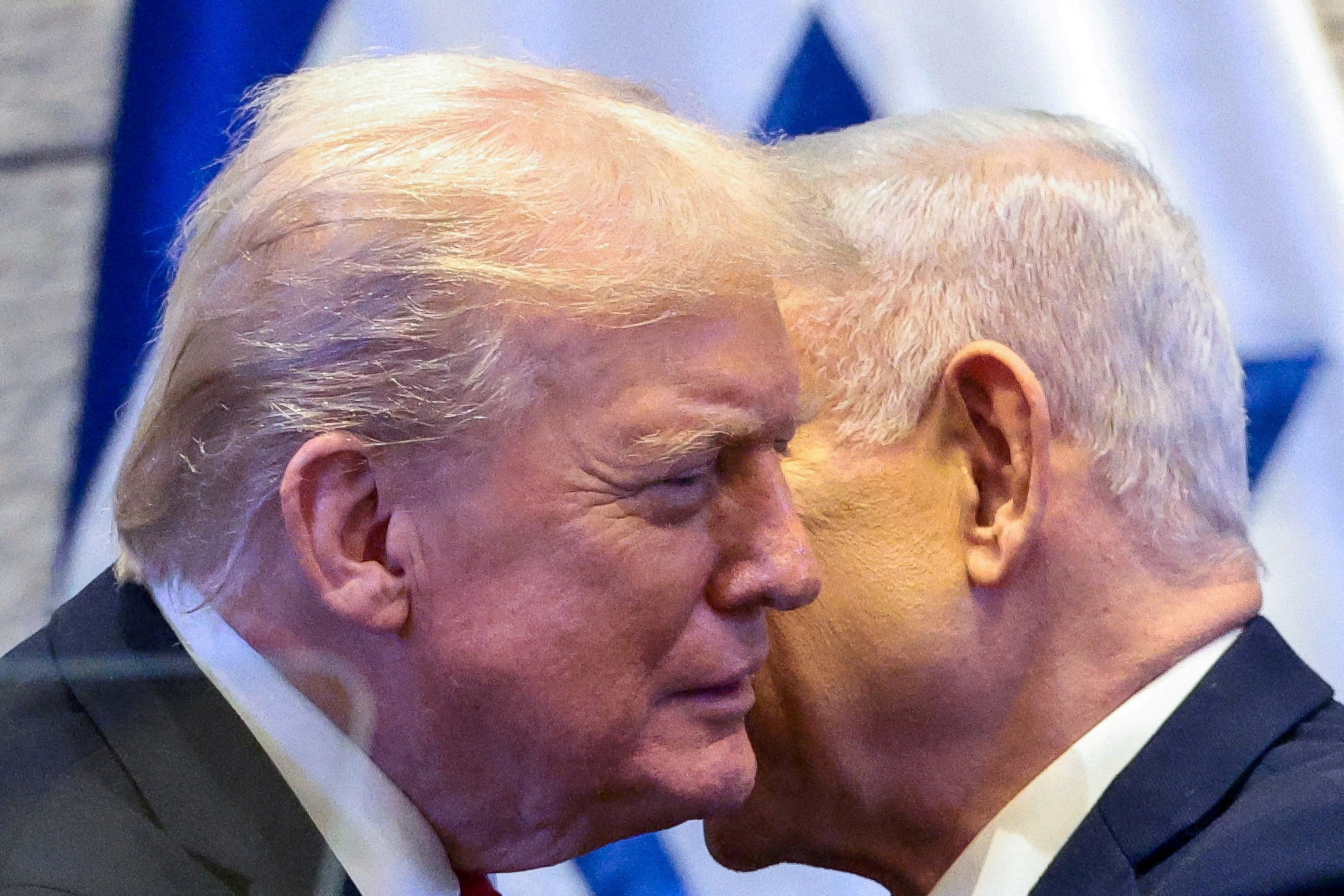
Reports indicated that the U.S. rejected Israel's request to view the text of an interim peace agreement with Iran, citing concerns that Israeli Prime Minister Netanyahu might leak sensitive details before official release. The deal, which extends a ceasefire and aims to reopen the Strait of Hormuz, is expected to be formalized in Switzerland soon. Meanwhile, tensions between Trump and Netanyahu have become apparent, particularly regarding Israel's military actions against Hezbollah in Lebanon.
Key points
- The U.S. denied Israel access to the draft text of an interim peace agreement with Iran due to fears that Netanyahu might leak it prematurely.
- The temporary deal extends a ceasefire by 60 days and mandates reopening the Strait of Hormuz, which was previously blocked following strikes in February.
- U.S. officials stated that the delay in releasing the text is necessary for proper sequencing and responsiveness to regional sensitivities.
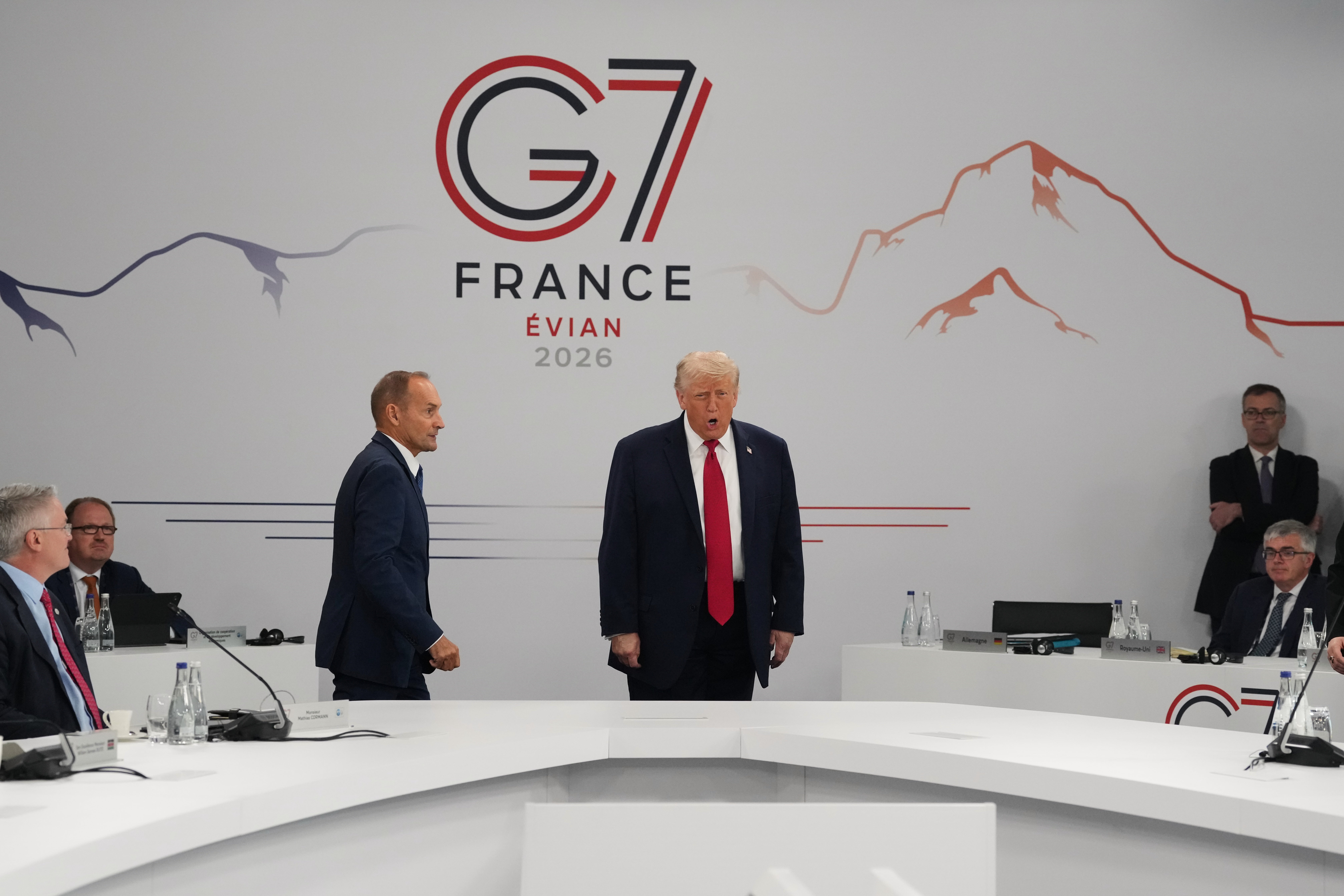
- Trump publicly criticized Israel's military tactics against Hezbollah in Lebanon during a G7 summit, calling it unnecessary to bomb entire apartment buildings.
- Netanyahu acknowledged public disagreements with Trump while discussing the ongoing negotiations and the final terms of the agreement.
Claims assessed
- VerifiableThe U.S. rejected Israel's request to see the text of the interim Iran deal because the Trump administration feared Netanyahu would leak it.
- VerifiableUnder the agreement, the U.S. will lift its blockade on Iranian ports while Iran restores maritime traffic through the Strait of Hormuz.
- VerifiableTrump criticized Israel's military operations in Lebanon against Hezbollah, stating that bombing entire apartment buildings was excessive.
Missing context
The article does not specify the exact date or location of the expected signing ceremony for the MoU, only that it is anticipated to happen in Switzerland. It also lacks details on the specific terms of the 'second phase' of direct talks regarding Iran’s nuclear program.
Topic context
Related topics
The full article is on the original publisher site.
AI insight
AI-generatedThe potential reopening of the Strait of Hormuz pushes Crude Oil and shipping insurance premiums 2-3% lower in the short term, while EM currencies see a modest upward bounce. Key risk: The initial positive sentiment is fragile; if geopolitical tensions flare up or the ceasefire lacks verifiable scope, these gains could quickly reverse.
The primary commercial mechanism relates to geopolitical risk affecting global energy supply. The potential reopening of the Strait of Hormuz is critical for global oil and gas transit, directly impacting crude commodity prices (WTI/Brent) and insurance premiums. The political rift between key players introduces uncertainty regarding regional stability and future trade routes.
Signals our AI researcher identified
Extracted by our AI model from this article and related public sources — not direct quotes from the publisher.
- Interim agreement extends ceasefire by 60 days.
- Agreement aims to reopen the Strait of Hormuz.
- Tensions exist between Donald Trump and Benjamin Netanyahu regarding military actions in Lebanon.
Affected products & commodities
- Crude Oil
- Natural Gas
- Shipping Insurance Premiums
Supply-chain signals
- Strait of Hormuz transit security
- Regional geopolitical stability
Historical parallels
- Past disruptions in the Strait of Hormuz (e.g., tanker attacks) typically cause immediate spikes in crude oil futures and increased shipping insurance costs due to perceived supply risk.
This analysis would be wrong if
If global energy market inventories prove sufficient and insurance premiums normalize rapidly, negating the perceived transit bottleneck risk.
Ongoing geopolitical instability continues to create a drag on long-term industrial investment and supply chain planning; therefore, GLOBAL_INDUSTRIALS is affected down.
Sign in to see all sector verdicts, full thesis and counter-argument debate.
Sector impact at a glance
- FX_EMshort
- GLOBAL_ENERGYmid
- GLOBAL_ENERGYshort
- GLOBAL_INDUSTRIALSmid
- GLOBAL_INDUSTRIALSshort
Related stories

kmbc.com
Kevin Warsh First Fed Meeting Interest Rates

kuow.org:443
3 things to know about the new fed chief s first meeting

bobsguide.com
What Zilchs Fjord Bank Acquisition and Dame Clare Barclays Appointment Signal for Cross Border Fintech Scaling
newsweek.com
Ecological Toll War Ukraine to Vietnam Explained
independent.co.uk