calgary.citynews.ca · · CA
Iranian State TV Says the Countrys Team Negotiating With US Over the War Is Going to Switzerland
Executive Summary
AI-generatedAmid escalating tensions following recent Israeli strikes in Lebanon, Iran announced the closure of the Strait of Hormuz due to perceived U.S. breaches of commitments. In response, President Trump threatened to impose American tolls on the crucial waterway if a final agreement with Iran is not reached within 60 days. Negotiations for an interim deal are underway in Switzerland, involving multiple regional mediators and focusing on unfrozen Iranian assets and de-escalation efforts.
The reported closure of the Strait of Hormuz, a critical global oil chokepoint, creates an immediate supply_shortage risk for crude oil passing through. This directly impacts GLOBAL_ENERGY prices (oil/gas) and increases insurance/logistics costs globally. The geopolitical tension also introduces significant FX_USD volatility due to potential sanctions or asset freezes.
Key Insights
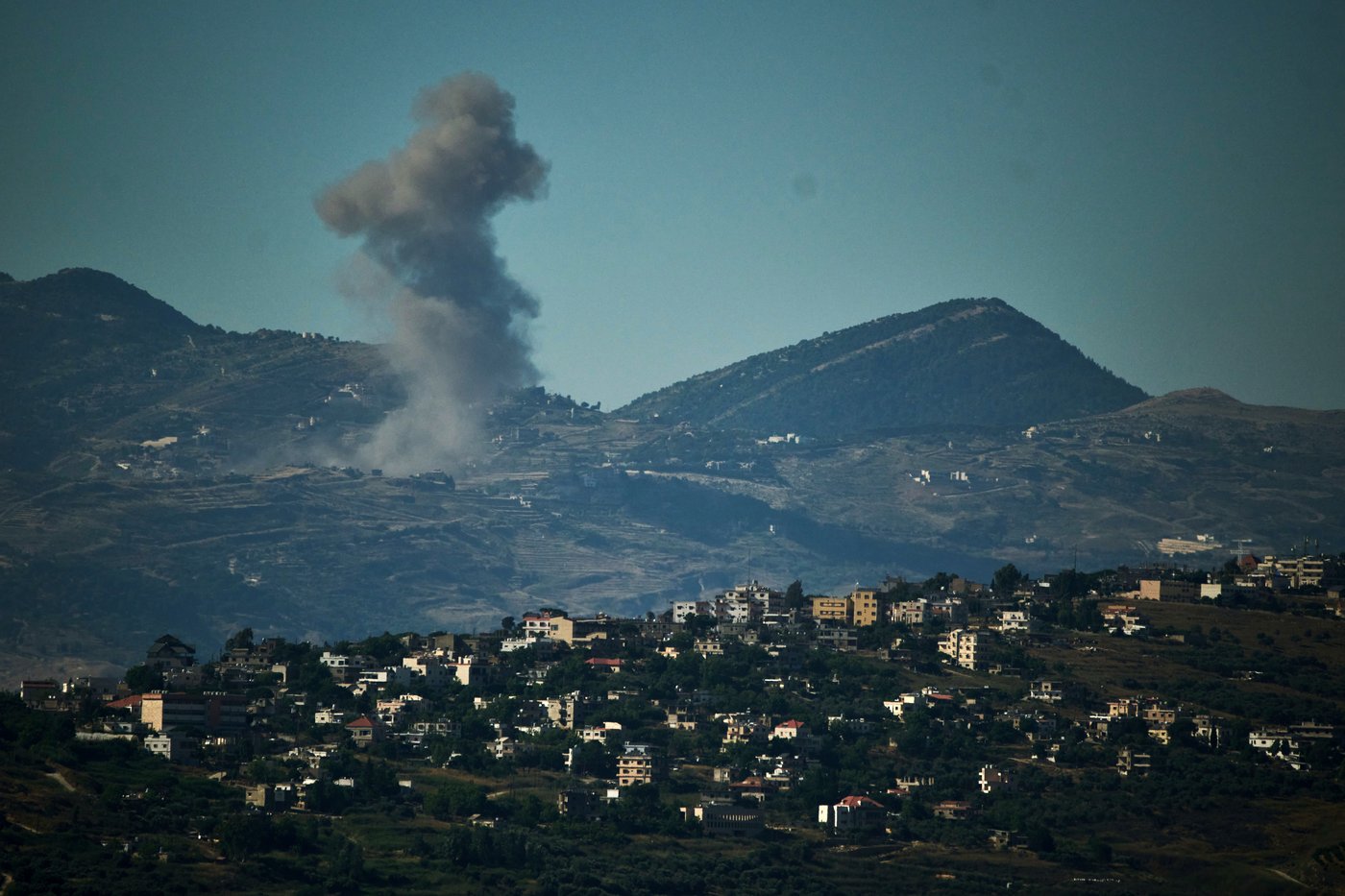
- Iran declared the Strait of Hormuz closed following Israeli attacks in Lebanon, citing U.S. failures to end the conflict.
- The U.S., through President Trump, countered by threatening tolls on the strait if a final deal with Iran is not finalized within 60 days.
- Negotiations for an interim agreement are taking place in Switzerland and involve key figures from both sides, alongside mediators like Qatar and Pakistan.
- The proposed deal includes unfrozing billions of dollars of Iranian assets and aims to de-escalate hostilities between Israel and Hezbollah.
- Despite Iran's claims, U.S. Central Command stated that the strait remains open for traffic, with merchant ships continuing to pass through.
Topic context
The full article is on the original publisher site.