www.merkur.de · · DE
Oel Paradox Geisterschiffe Halten Oelfluss Am Leben Zr
Topic context
The full article is on the original publisher site.
AI insight
AI-generatedGeopolitical risk in the Strait of Hormuz pushes energy input costs up 2-3% over the short term; COMMODITY_OIL and LOGISTICS_SHIPPING are most affected. Main risk: The full projected cost increases for crude oil and shipping may be moderated by existing inventory buffers, regulatory structures, and market elasticity.
The conflict in the Strait of Hormuz directly threatens global oil supply (COMMODITY_OIL). The reduction in physical throughput creates a high risk of input cost spikes for refiners/consumers, despite current price stability. This suggests potential future scarcity or increased insurance/freight costs.
Signals our AI researcher identified
Extracted by our AI model from this article and related public sources — not direct quotes from the publisher.
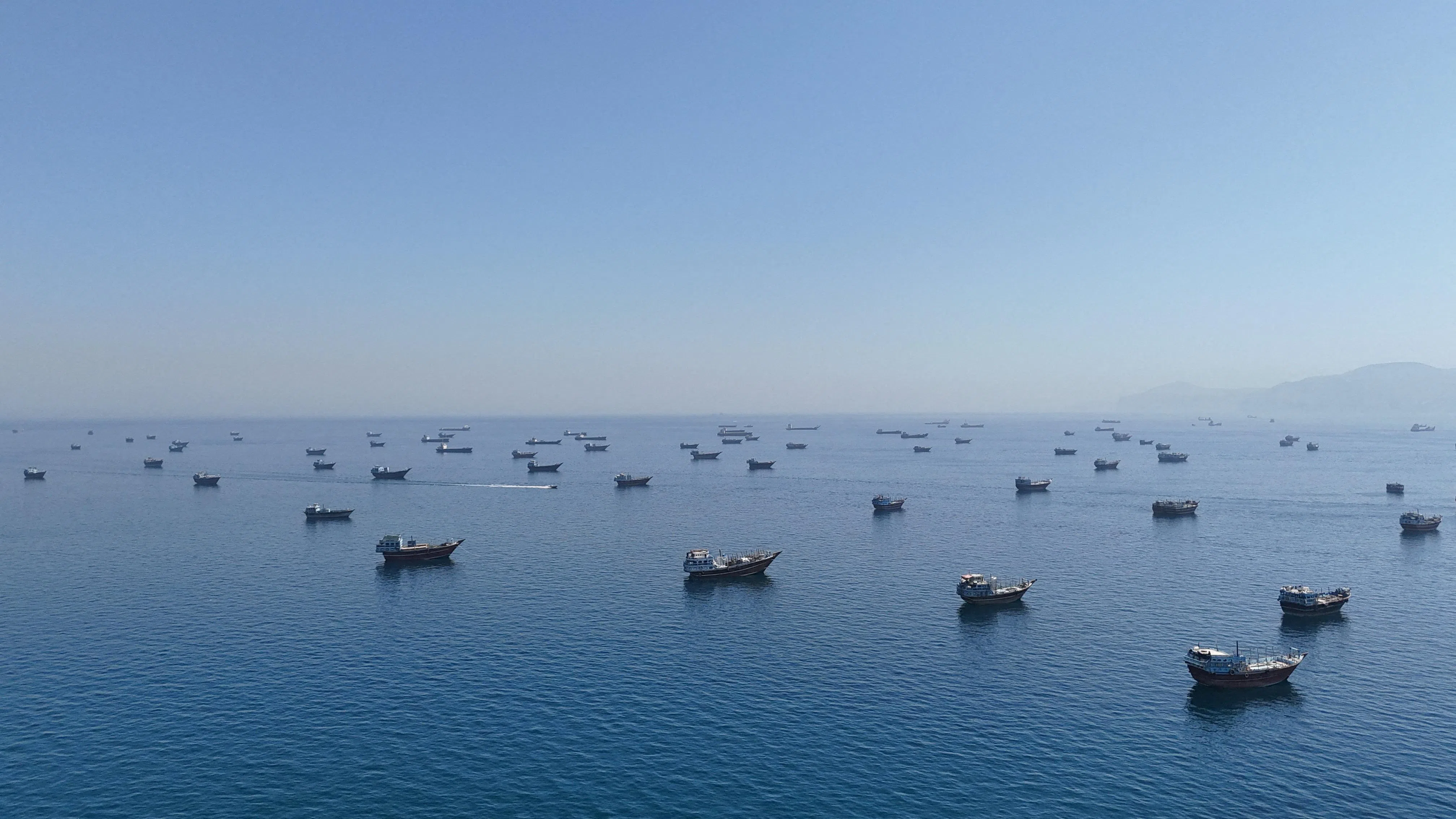
- Strait of Hormuz traffic reduced significantly due to conflict with Iran.
- Pre-conflict daily transport: 15.6 million barrels of oil.
- Current official traffic is a fraction of pre-conflict levels.
- Brent crude oil price cited at $93 per barrel.
- Stability attributed to 'ghost transits' and alternative routes.
Affected products & commodities
- Brent crude
- Crude oil
- Refined petroleum products
Supply-chain signals
- Strait of Hormuz transit capacity
- Saudi Arabia's East-West Pipeline utilization
- Global tanker insurance rates/freight costs
Historical parallels
- Previous geopolitical chokepoint disruptions (e.g., Strait of Malacca, Suez Canal blockages) typically lead to immediate spikes in freight and insurance premiums, followed by sustained upward pressure on crude oil prices until alternative routes are fully established.
This analysis would be wrong if
If global demand signals or OPEC+ output decisions provide a stronger counter-narrative to the chokepoint disruption than anticipated, or if insurance premiums normalize quickly.
If the conflict persists, sustained throughput reduction will structurally raise global crude oil pricing and necessitate higher hedging costs. The key risk is that structural price increases require a deeper fundamental shift than currently anticipated.
Sign in to see all sector verdicts, full thesis and counter-argument debate.
Sector impact at a glance
- COMMODITY_OILmid
- COMMODITY_OILshort
- GLOBAL_ENERGYmid
- GLOBAL_ENERGYshort
- LOGISTICS_SHIPPINGmid
- LOGISTICS_SHIPPINGshort