www.sbs.com.au · · AU
How Can We Reduce Shark Attacks While Also Protecting Marine Ecosystems
Executive Summary
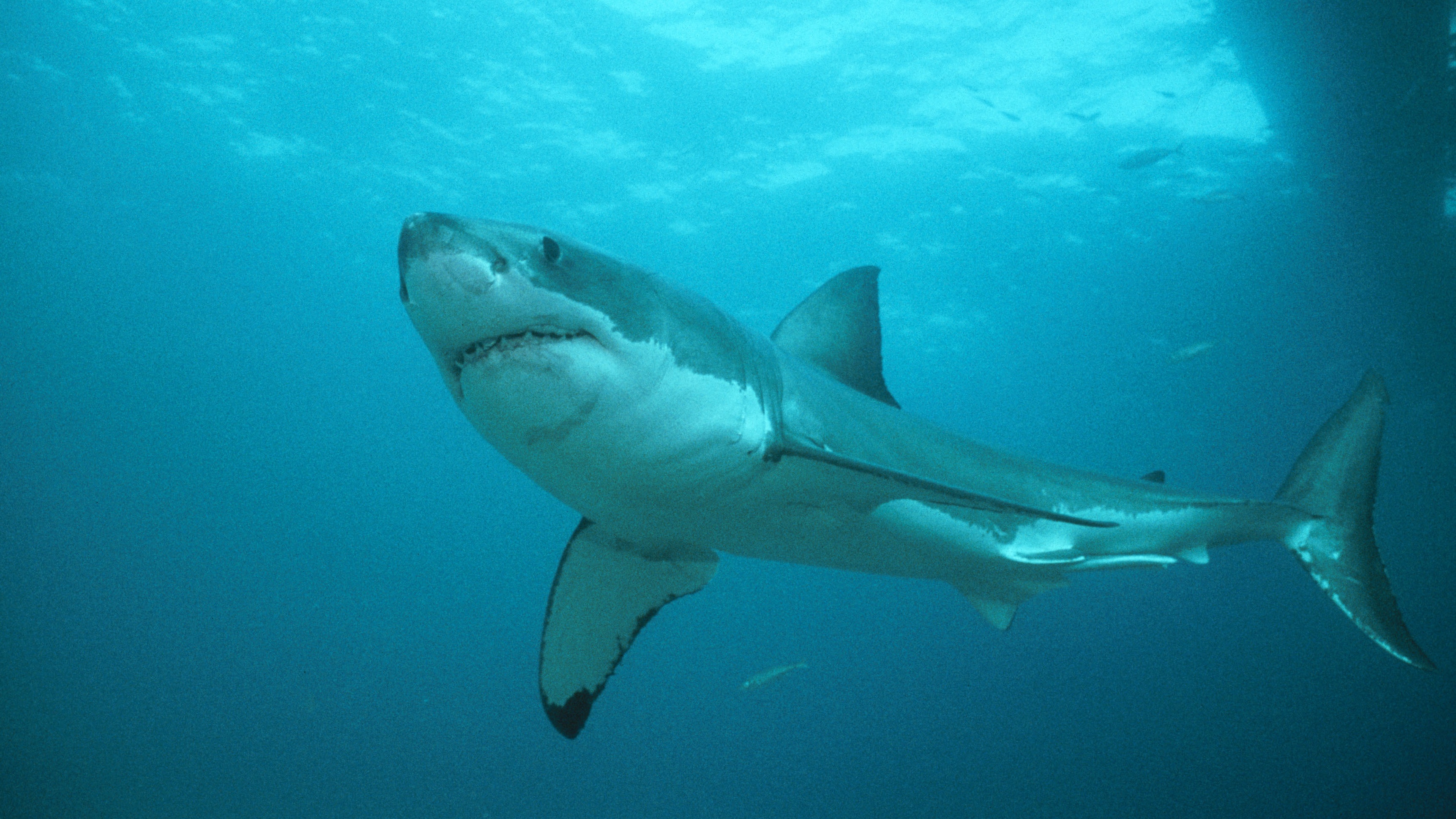
AI-generatedFollowing recent reports of shark bites, calls have emerged for culling sharks and establishing commercial fisheries. However, experts and government officials caution against such measures, noting that great white sharks are protected species and that culling efforts would be ineffective due to migration patterns. Scientists emphasize that sharks play a crucial ecological role and point to past failed attempts at population control as evidence that safety must be managed through other means.
The article focuses on public safety and marine biology (shark attacks, climate change influence on species behavior) rather than any commercial mechanism affecting prices, supply chains, or corporate margins. No direct link to input costs, demand spikes, or investment cycles was identified.
Key Insights
- Calls for shark culls were prompted by recent incidents, including an attack on Coogee Beach.
- Authorities confirmed that great white sharks are protected species in Australia, making culling illegal.
- Experts suggest climate change and warming waters may be contributing to more aggressive or southern migration of certain shark species.
- Scientific consensus indicates that culling is ineffective because sharks migrate from other areas, as demonstrated by historical examples.
- Sharks are recognized for their vital role in maintaining the health and balance of marine ecosystems.
Topic context
Related topics
The full article is on the original publisher site.