island.lk ·
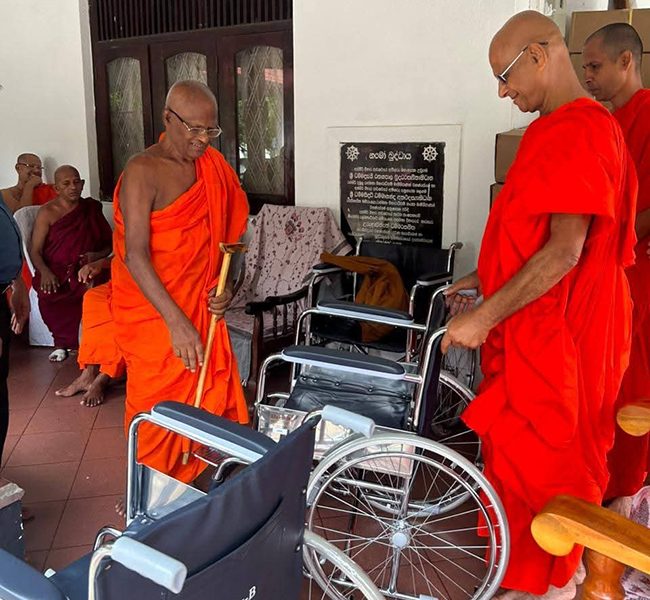
Wheelchairs for Temples Hospital in Welfare Drive
Topic context
This topic has been covered 438366 times in the last 30 days across our monitored publishers.
The full article is on the original publisher site. This page only shows the headline and a very short excerpt.
AI insight
AI-generatedSri Lanka's 50% surcharge on vehicle imports is a regulatory measure to protect foreign exchange reserves, directly increasing vehicle prices and reducing import volumes. The channel is regulatory (import tariff) and fx_passthrough (rupee depreciation). Impact is country-specific (Sri Lanka), affecting vehicle importers, dealers, and consumers. Winners: local assemblers (if any) or alternative transport modes; Losers: vehicle importers, consumers facing higher prices.
Signals our AI researcher identified
Extracted by our AI model from this article and related public sources — not direct quotes from the publisher.
- Sri Lanka imposed a 50% Customs duty surcharge on vehicle imports.
- Vehicle Importers Association stated surcharge could increase prices by Rs. 1.5-2.5 million.
- Surcharge is temporary to manage foreign exchange reserves.
- Surcharge does not apply to vehicles imported under LCs opened before May 15, 2026.
- Opposition warns of rupee depreciation and higher inflation.
Mid-term vehicle import volumes expected to decline; magnitude 3. Window: 2-4 weeks.
Sign in to see all sector verdicts, full thesis and counter-argument debate.
Sector impact at a glance
- EM_MARKETSshort
- EM_TRANSPORTmid
- EM_TRANSPORTshort