timesofindia.indiatimes.com ·
Irans Next Move After Blocking Hormuz Tehran Is Now Eyeing the Gulfs Hidden Arteries
The full article is on the original publisher site. This page only shows the headline and a very short excerpt.
AI insight
AI-generatedIran's proposal to impose fees on undersea cables crossing the Strait of Hormuz creates a regulatory risk for global internet infrastructure and could increase costs for major tech companies. The Strait is also a vital oil and LNG chokepoint, so any escalation raises supply disruption risk for energy markets. The mechanism is regulatory/compliance cost for telecom and tech firms, and potential supply shortage for energy if tensions escalate further.
Signals our AI researcher identified
Extracted by our AI model from this article and related public sources — not direct quotes from the publisher.
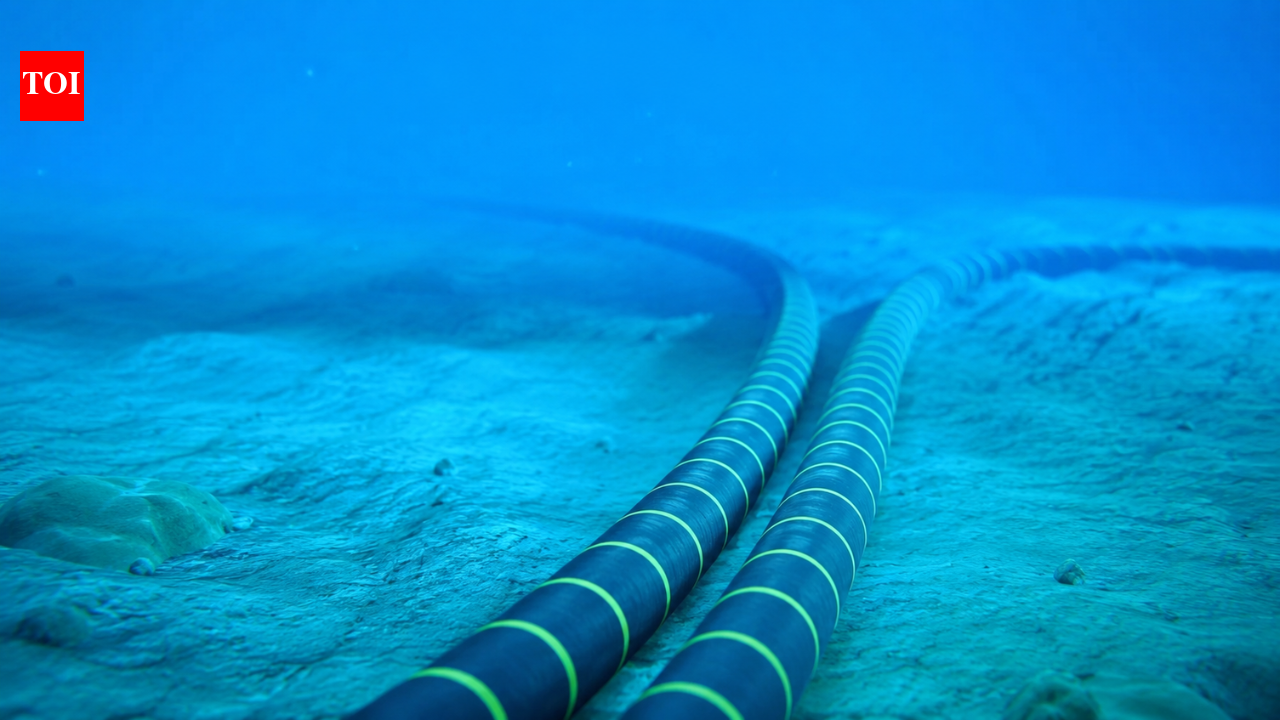
- Iran proposes fees on undersea internet cables crossing Strait of Hormuz.
- Strait of Hormuz is a critical chokepoint for energy and internet traffic.
- Iranian military spokesperson Ebrahim Zolfaghari announced enforcement of Iranian laws on cable operators.
- Major tech firms Google, Microsoft, Meta, Amazon could be impacted.
- Tensions remain high despite fragile ceasefire reached in April 2026.
Brent crude may jump 3-5% on supply disruption risk premium; confidence is moderate.
Sign in to see all sector verdicts, full thesis and counter-argument debate.
Sector impact at a glance
- COMMODITY_OILshort
- GLOBAL_TECHshort
- LNG_NATGASshort