economictimes.indiatimes.com ·
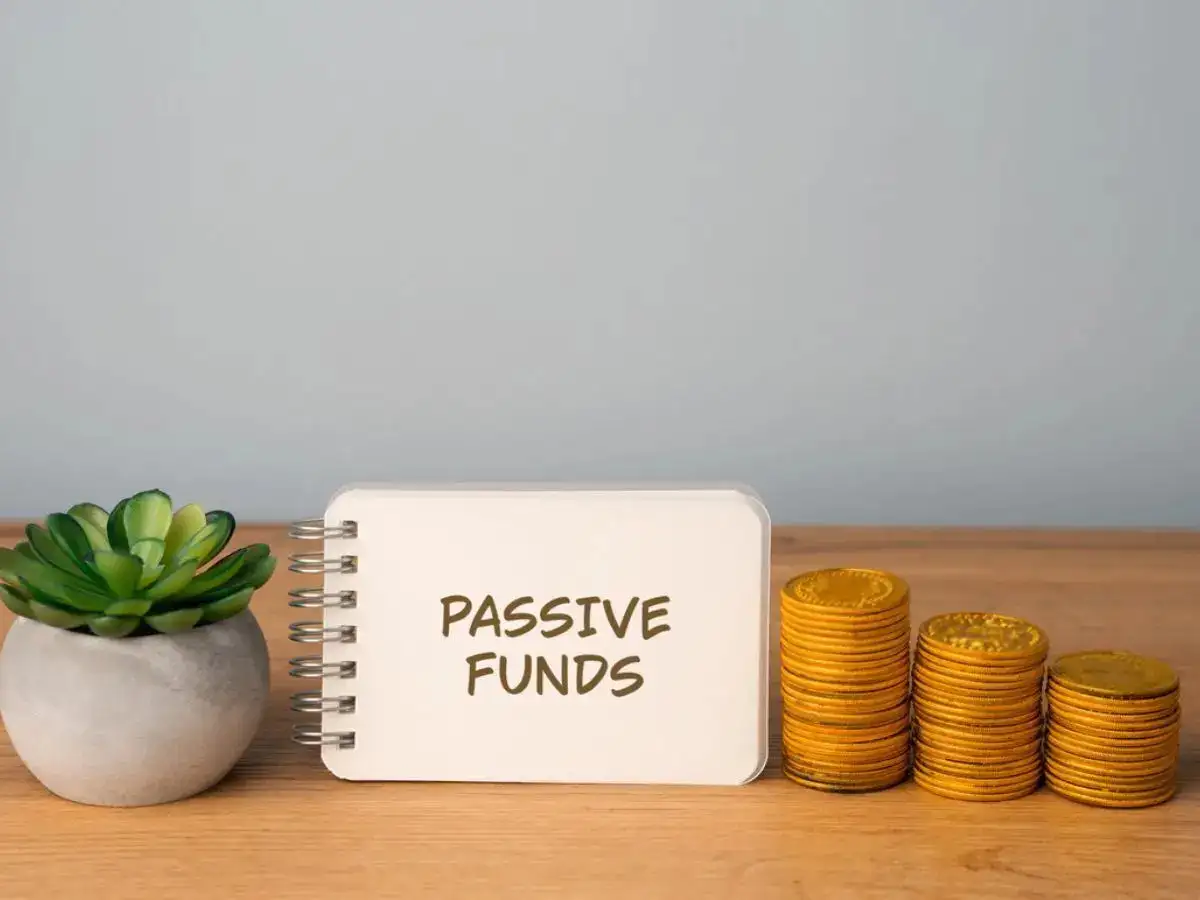
Think Index Funds Are Foolproof These 7 Myths Can Lead to Costly Mistakes
News Analysis — AI Analysis
Original analysis generated by News Analysis. This is our own commentary on the story, not the publisher's article text.
While passive investing has become mainstream in India, leading to significant growth in assets under management, investors must be aware of common myths. The article advises that choosing funds based solely on low costs or assuming they are risk-free can lead to poor outcomes. Instead, readers should evaluate factors like tracking error and liquidity when selecting index funds or ETFs.
Key points
- Passive investing involves mirroring an index rather than attempting to beat it, making it a popular strategy in India.
- The total assets under management for passive funds now account for nearly one-fifth of the country's total mutual fund assets.
- Low expense ratios do not guarantee good performance; investors must also consider tracking error and liquidity.
- When using ETFs, costs beyond the visible expense ratio—such as impact cost related to trading volume—must be factored into decisions.
- Passive investing is suitable for experienced investors seeking market returns without the risk of active fund underperformance.
Claims assessed
- VerifiableLow costs in passive funds do not always correlate with lower tracking error, meaning a cheaper fund might perform poorly if it tracks the index inaccurately.
- VerifiableFor ETFs, investors must consider factors like trading volume and impact cost, which can increase total investment costs beyond the stated expense ratio.
- VerifiablePassive investing is not limited to beginners; experienced or savvy investors may use it selectively to complement their existing portfolios.
Missing context
The article mentions the growth of passive funds but does not provide specific data or recommendations regarding which indices or fund types are best suited for different risk profiles or investment goals.
Topic context
Related topics
The full article is on the original publisher site.
AI insight
AI-generatedStrong domestic passive investing demand pushes Indian mutual fund units' valuations up over the mid-term (5-10%); COMMODITY_EQUITY and GLOBAL_ASSET_MANAGERS benefit from structural inflows. Main risk: Global macro headwinds or geopolitical risks could temper the expected appreciation, particularly in the short term.
The article discusses structural growth and investor behavior within the Indian passive investment market (index funds). This signals strong capital inflow into the Indian financial asset class, affecting overall equity valuations and AUM for Asset Management firms. The primary mechanism is a demand spike in domestic financial products.
Signals our AI researcher identified
Extracted by our AI model from this article and related public sources — not direct quotes from the publisher.
- Passive investing AUM in India reached nearly Rs. 15 trillion.
- AUM increased from over Rs. 3 trillion five years ago.
- Investors are advised to select the right index rather than just choosing the best fund.
Affected products & commodities
- Indian index funds
- Mutual Fund units
Supply-chain signals
- N/A
Historical parallels
- Strong retail investor interest (e.g., Nifty 50 tracking) typically leads to sustained capital inflows and increased valuations in the relevant index segment.
This analysis would be wrong if
If global market liquidity tightens significantly, or if a major regulatory change alters fee structures for index funds.
Sustained structural capital accumulation supports continued positive valuation trends for Indian mutual fund units (1-4 weeks); therefore EM_MARKETS is affected up.
Sign in to see all sector verdicts, full thesis and counter-argument debate.
Sector impact at a glance
- EM_MARKETSmid
- EM_MARKETSshort
- GLOBAL_ASSET_MANAGERSmid
- GLOBAL_ASSET_MANAGERSshort
Related stories

moneycontrol.com
Daily Voice India to Benefit as AI Focus Moves to Adopters Says Nimesh Chandan Bullish on Earnings
smh.com.au
Trump S Deal Will Show How Pointless His War Was 20260615 P606s6

businesstimes.com.sg
US Iran Reach Deal End War Signing Set Jun 19
politicaldog101.com
Irantrumpconflict Warevening June 14 2026 Part 2 WHO Wins

rnz.co.nz