www.dailysabah.com ·
US Iran Trade Airstrikes for 2nd Day as Trump Warns of Escalation
News Analysis — AI Analysis
Original analysis generated by News Analysis. This is our own commentary on the story, not the publisher's article text.
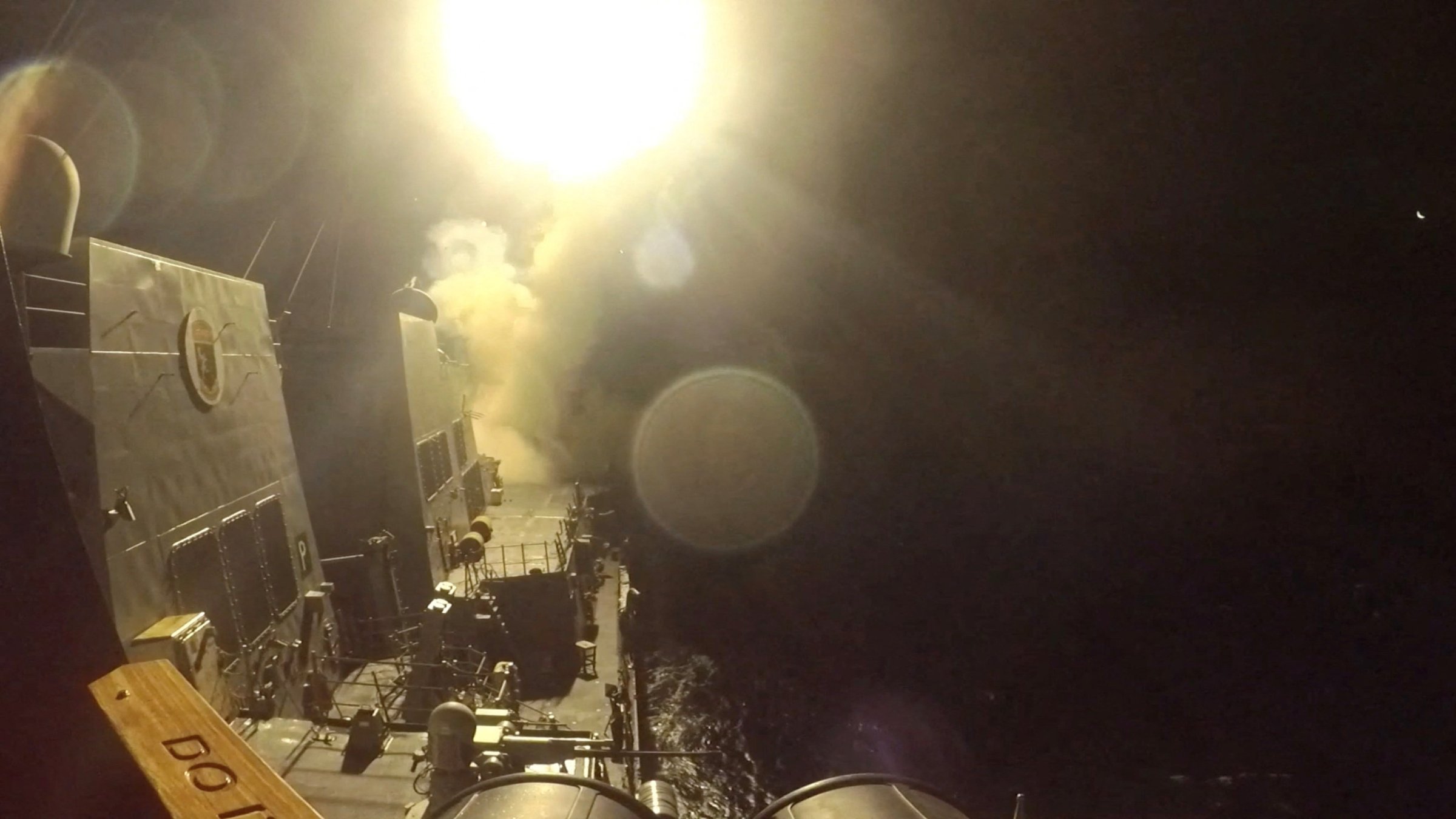
The US and Iran conducted fresh airstrikes on Thursday, marking the second consecutive day of escalating hostilities amid a fragile cease-fire. President Trump warned that further military action could resume if Tehran does not immediately agree to a peace deal. The exchanges involved strikes targeting military infrastructure in both countries and surrounding allied nations, while oil prices reacted to the heightened tensions.
Key points
- The escalating conflict involves retaliatory airstrikes following the downing of a U.S. Apache helicopter near the Strait of Hormuz.
- U.S. forces targeted Iranian military surveillance, communication systems, and air defense sites as a response to perceived aggression.
- Iran launched counterattacks against U.S. bases in Kuwait, Bahrain, and Jordan, including missile strikes on Jordanian installations.
- Despite threats of continued disruption, the US Central Command denied that commercial traffic through the Strait of Hormuz was halted or that its vessels were struck.
- U.S. officials framed the military actions as necessary to pressure Iran into accepting a negotiated settlement.
Claims assessed
- VerifiableThe U.S. and Iran conducted airstrikes on Thursday, marking two straight days of escalating hostilities.
- VerifiablePresident Trump warned that military action could resume if Iran does not immediately agree to a peace deal.
- VerifiableThe U.S. targeted Iranian military sites, including surveillance and air defense capabilities, in response to Tehran's aggression.
- VerifiableIran launched counterattacks against US bases in Kuwait, Bahrain, and Jordan using missiles and drones.
Missing context
The article does not provide any independent verification or reporting on the alleged damage caused by the strikes, nor does it offer analysis from international bodies regarding the legality or humanitarian impact of the actions described.
Topic context
The full article is on the original publisher site.
AI insight
AI-generatedGeopolitical conflict near the Strait of Hormuz pushes global energy input costs up (2-4% short-term) and raises shipping insurance/freight rates (10-15% short-term). Key risk: The immediate magnitude of price spikes in commodities is likely dampened by existing global inventory buffers, making sustained cost increases more probable than extreme instantaneous jumps.
The ongoing geopolitical conflict between the United States and Iran, specifically near the Strait of Hormuz, directly threatens major maritime chokepoints. This increases risk premiums for crude oil (COMMODITY_OIL) and related energy products, leading to supply uncertainty and potential disruption in global shipping routes (LOGISTICS_SHIPPING). The primary commercial mechanism is geopolitical risk translating into increased input costs for all energy-dependent sectors.
Signals our AI researcher identified
Extracted by our AI model from this article and related public sources — not direct quotes from the publisher.
- Airstrikes between US and Iran continued for a second day.
- Conflict involves targeting of military capabilities near the Strait of Hormuz.
- Missile strikes targeted US bases in Kuwait, Bahrain, and Jordan.
- Conflict has disrupted global energy supplies.
- Rising oil prices are reported due to conflict.
Affected products & commodities
- Crude Oil
- Refined Petroleum Products
- Shipping Insurance Premiums
Supply-chain signals
- Strait of Hormuz transit security
- Global oil supply stability
Historical parallels
- Previous Middle East conflicts (e.g., Yemen/Bab el-Mandeb) have historically caused immediate spikes in crude oil futures and increased insurance rates for vessels transiting the region, reflecting geopolitical risk pass-through.
This analysis would be wrong if
If major chokepoints remain open and insurance/shipping rates stabilize quickly due to carrier adjustments or if geopolitical tensions de-escalate rapidly.
Sustained geopolitical risk maintains a high floor for crude oil pricing; therefore COMMODITY_OIL is affected up.
Sign in to see all sector verdicts, full thesis and counter-argument debate.
Sector impact at a glance
- COMMODITY_OILmid
- COMMODITY_OILshort
- EM_TRANSPORTmid
- EM_TRANSPORTshort
- GLOBAL_ENERGYmid
- GLOBAL_ENERGYshort
- LOGISTICS_SHIPPINGmid
- LOGISTICS_SHIPPINGshort
Related stories
evrensel.net
Abd Iran Gerilimi Enerji Piyasalarini Da Etkiledi Petrol Fiyatlari Yine Yukseldi
timesofindia.indiatimes.com
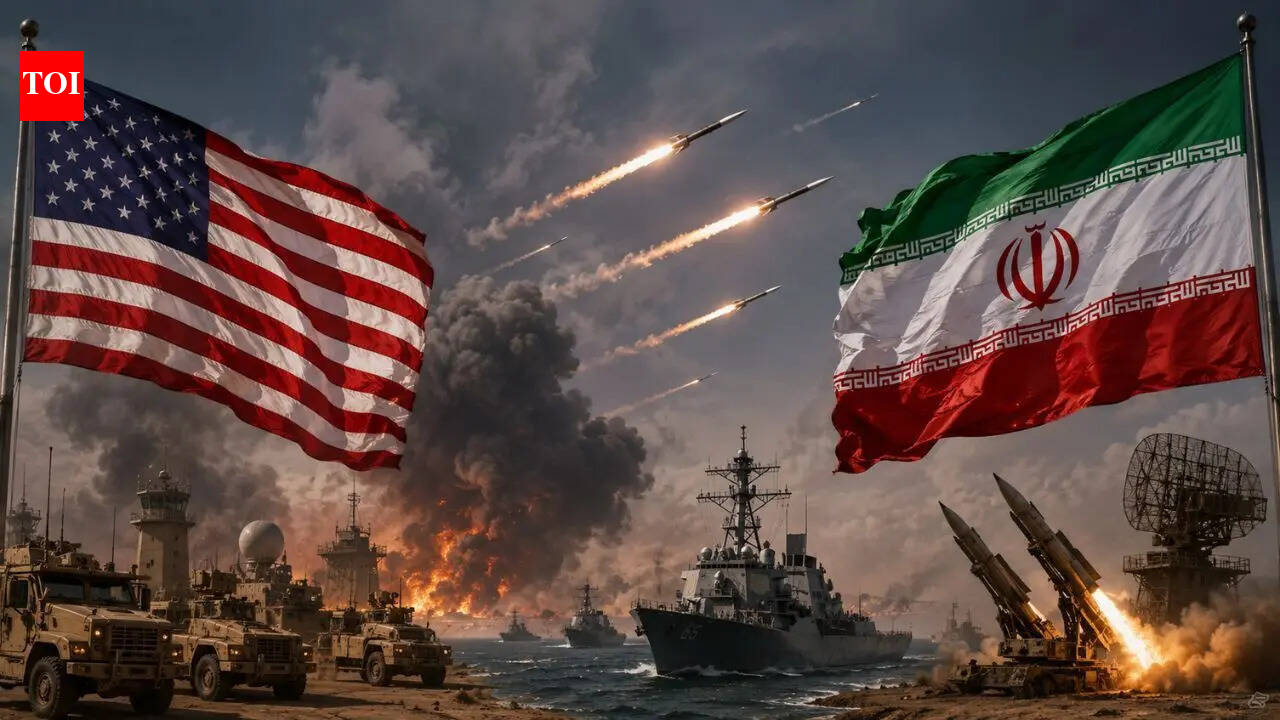
Missile Barrage Across Gulf Puts Region on Edge Hopes of an Iran US Deal Fade as Both Sides Trade Fire 10 Things to Know
dunyanews.tv
956572 us and iran trade attacks for a second day undermining shaky ceasefir

thehindubusinessline.com
Wrapup 1 US and Iran Trade Attacks for a Second Day Undermining Shaky Ceasefire
finanznachrichten.de