fortune.com ·
Supply Shocks Coercion Random Strategic Russia Gas Hormuz Oil China Rare Earths Fed Rates
The full article is on the original publisher site. This page only shows the headline and a very short excerpt.
AI insight
AI-generatedThe article discusses deliberate supply coercion by Russia (gas to Europe) and Iran (Strait of Hormuz oil disruption), which directly affect global energy prices and complicate Fed inflation policy. The channel is supply_shortage for natural gas and crude oil, with potential fx_passthrough via USD strength if Fed tightens. Impact is global but concentrated on European gas markets and global oil supply. Winners: alternative energy suppliers, US LNG exporters. Losers: European gas importers, oil-dependent economies.
Signals our AI researcher identified
Extracted by our AI model from this article and related public sources — not direct quotes from the publisher.
- Russia's gas supply cuts to Europe are described as strategic 'supply coercion'.
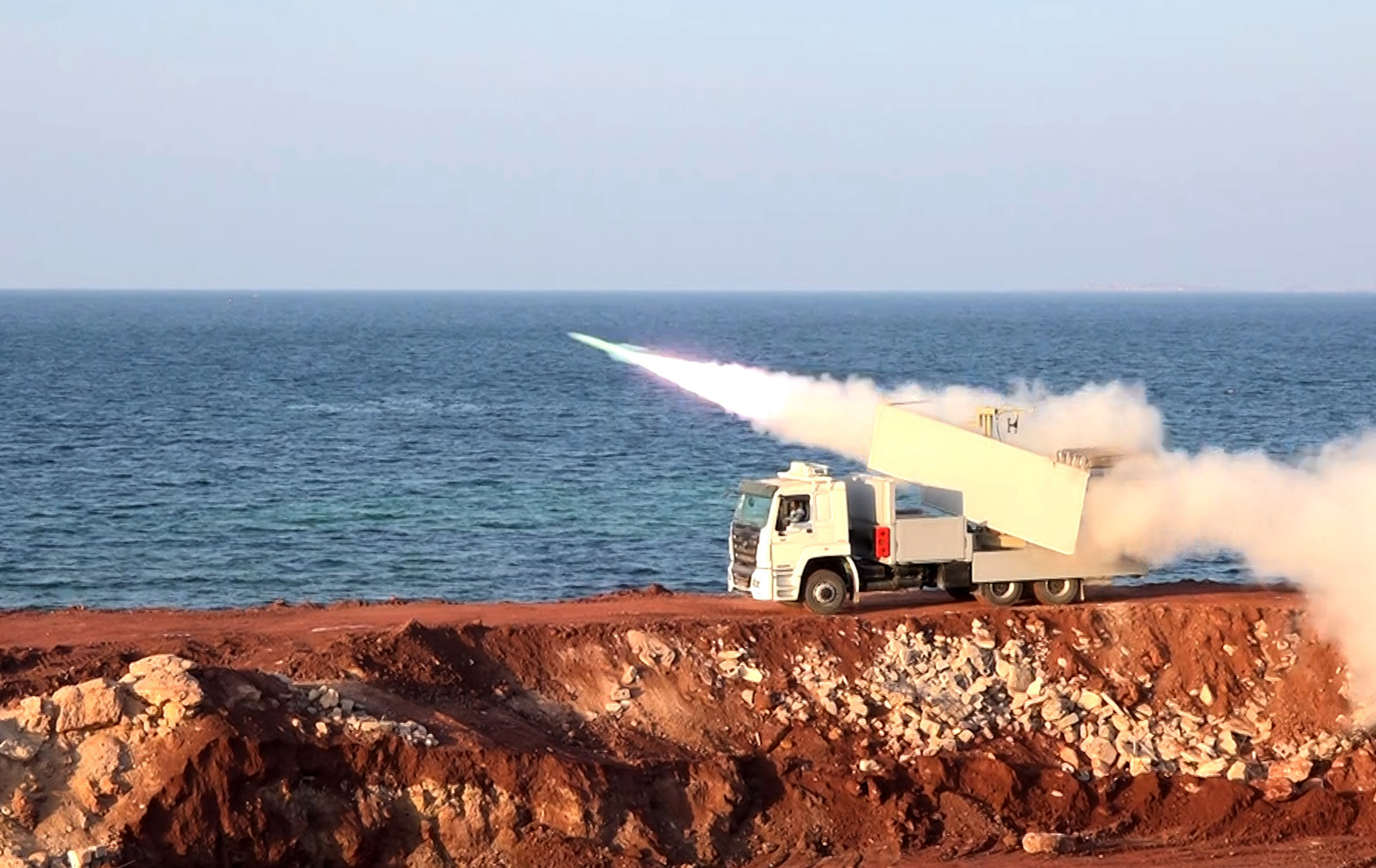
- Iran's closure of the Strait of Hormuz affects one-fifth of global oil supplies.
- Former Fed official Patrick Harker criticizes term 'supply shock' for these deliberate acts.
- Fed officials acknowledge ongoing high inflation and potential need for policy tightening.
- Article published 2026-05-18.
Brent crude spikes 5-8% in 48h on Strait of Hormuz closure news.
Sign in to see all sector verdicts, full thesis and counter-argument debate.
Sector impact at a glance
- COMMODITY_GASmid
- COMMODITY_GASshort
- COMMODITY_OILmid
- COMMODITY_OILshort
- FX_USDmid
- FX_USDshort
- GLOBAL_ENERGYmid
- GLOBAL_ENERGYshort
- LNG_NATGASmid
- LNG_NATGASshort
- OIL_GAS_UPSTREAMmid
- OIL_GAS_UPSTREAMshort