www.theamericanconservative.com ·
Economic Warfare Militarized Diplomacy Are Brutal and Malfunctioning Tools
News Analysis — AI Analysis
Original analysis generated by News Analysis. This is our own commentary on the story, not the publisher's article text.
The article argues that modern U.S. foreign policy, particularly its reliance on economic warfare and militarized diplomacy, is detrimental and harmful to the very populations it claims to protect. The author contends that American statecraft has increasingly favored military and financial power over traditional diplomatic methods, citing historical examples like sanctions against Chile and current policies regarding Cuba and Iran.
Key points
- The use of economic tools like sanctions and embargoes is criticized because they inflict suffering on civilian populations rather than targeting specific regimes.
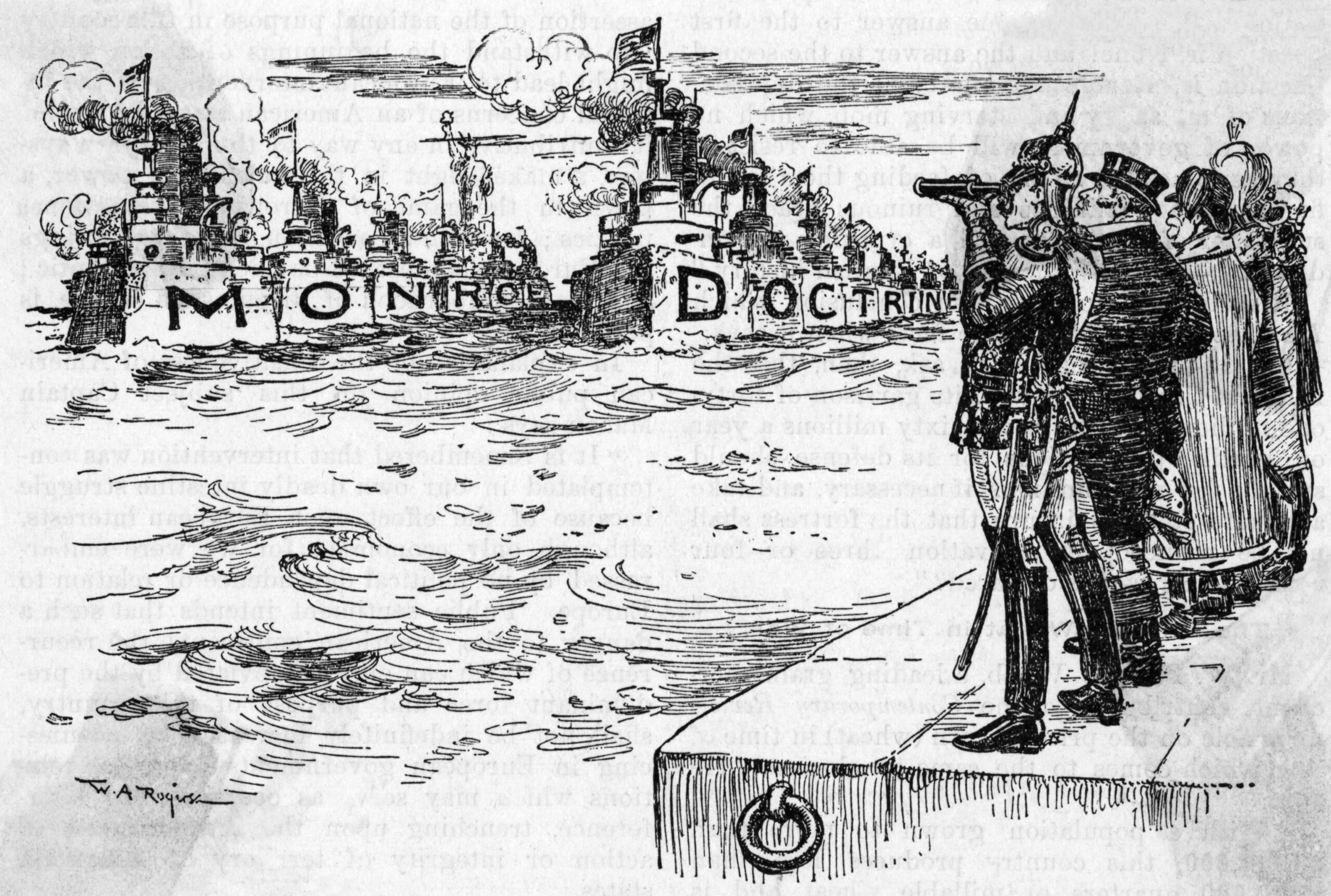
- American foreign policy has shifted away from diplomacy toward militarism, with the Pentagon and Treasury departments gaining prominence over traditional diplomatic roles.
- Historical examples, such as the 1970 CIA order to 'make the economy scream' in Chile, illustrate a pattern of using economic pressure against civilian populations.
- The author notes that current policies—including sanctions on Russia and continued embargoes on Cuba—have devastated local economies and deprived citizens of basic necessities.
- The article suggests that America’s historical struggle for its conscience is endangered by the increasing focus on military and financial power.
Claims assessed
- VerifiableUsing sanctions and embargos constitutes a form of foreign policy that starves civilian populations, making 'the people' the true victims rather than the economy.
- VerifiableAmerican statecraft has increasingly prioritized military and financial power (Pentagon and Treasury) over traditional diplomatic methods.
- VerifiableUnilateral U.S. sanctions have been linked to death tolls comparable to armed conflict, according to a study published in The Lancet.
- VerifiableThe current Cuban embargo has not achieved regime change but has instead devastated the island's population and infrastructure.
Missing context
The article does not provide specific policy alternatives or actionable recommendations for reforming U.S. foreign policy beyond a general call for restoring diplomacy and conscience.
Topic context
Related topics
The full article is on the original publisher site.
AI insight
AI-generatedGeopolitical sanctions push commodity grains' prices 3-5% higher short-term, while global banks face structural margin compression. Key risk: The magnitude of currency collapse in targeted EM nations is likely contained by existing capital controls and potential central bank intervention.
The article describes generalized geopolitical risks stemming from US economic warfare (sanctions) against specific nations (Cuba, Iran). This primarily affects local economies and commodity supply chains in those target regions by restricting trade and capital flow. The mechanism is regulatory/geopolitical risk leading to input cost spikes and currency instability in EM markets.
Signals our AI researcher identified
Extracted by our AI model from this article and related public sources — not direct quotes from the publisher.
- Sanctions on Cuba reported 60% reduction in food production.
- Economic pressure on Iran caused currency collapse and widespread protests.
- The article discusses the general impact of U.S. foreign policy sanctions.
Affected products & commodities
- Food supplies (specifically grains/agricultural inputs)
- Local currencies (e.g., Cuban CUP, Iranian Rial)
- Medical supplies
Supply-chain signals
- International trade routes affected by sanctions
- Access to foreign currency and technology components due to financial restrictions
Historical parallels
- Historical instances of comprehensive sanctions (e.g., Iran, Cuba) typically lead to severe humanitarian crises and localized commodity shortages, but the long-term economic impact is highly dependent on the sanction regime's scope and enforcement.
This analysis would be wrong if
If physical grain stockpiles are confirmed sufficient to cover projected losses, or if major central banks announce coordinated stabilization measures for the most affected emerging markets.
Sanctions cause localized supply uncertainty and price spikes for key grains; therefore COMMODITY_GRAINS is affected up.
Sign in to see all sector verdicts, full thesis and counter-argument debate.
Sector impact at a glance
- COMMODITY_GRAINSmid
- COMMODITY_GRAINSshort
- FX_EMmid
- FX_EMshort
- GLOBAL_BANKINGmid
- GLOBAL_BANKINGshort
Related stories

northcountrynow.com
the most extreme temperature ever recorded in every us state based on data,

original.antiwar.com
The Kings Rubber Empire Democracy at Home Terror in the Jungle

news24.com
There Is Only Now Jazz Icon Abdullah Ibrahim 1934 2026 20260616 0177

theguardian.com
Warfare V Welfare Britain Spend Benefits Defence Safe
governing.com