www.straitstimes.com ·
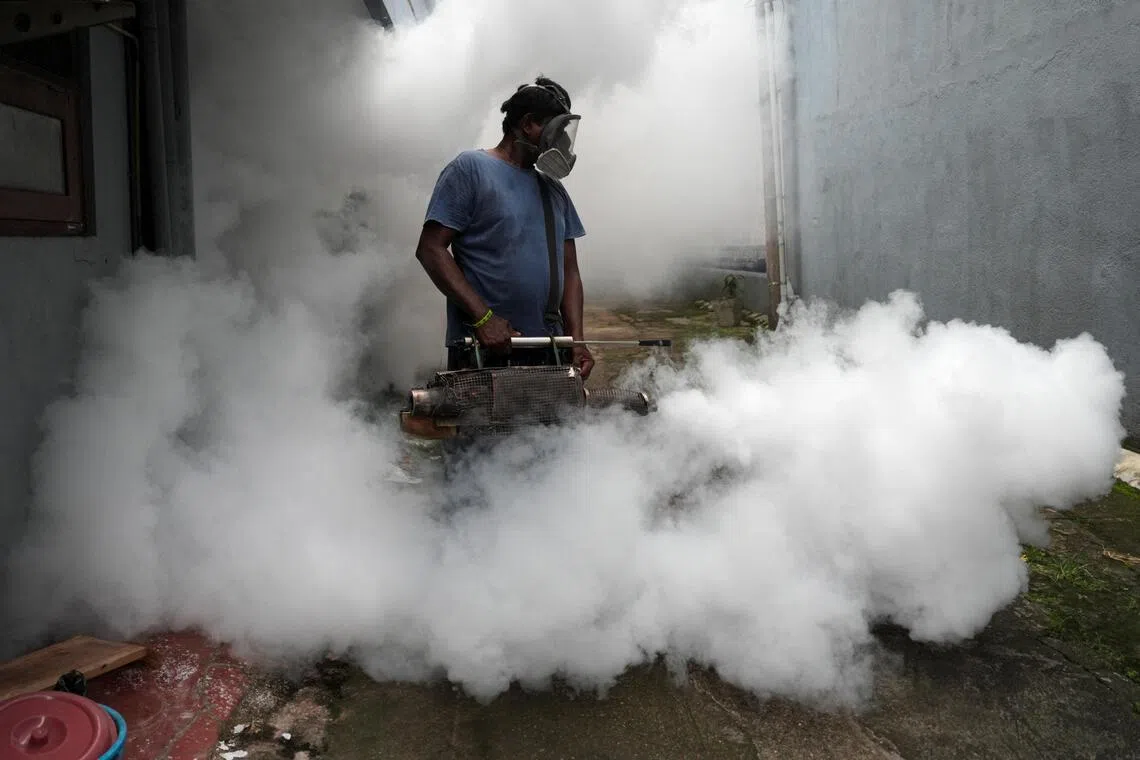
Sri Lanka Troops to Battle Deadly Dengue Mosquitoes as Cases Rise
Executive Summary
AI-generatedThe dengue outbreak will moderately increase short-term demand for sanitation services (EM_INDUSTRIALS) and sustain moderate demand for public health infrastructure (GLOBAL_HEALTHCARE). Main risk: The expected revenue spikes in both sectors are highly dependent on immediate government spending cycles, which may be dampened by existing inventory buffers or slow budgetary approval processes.
The primary impact is on public health infrastructure and government spending (EM_INDUSTRIALS/GLOBAL_HEALTHCARE). The surge in dengue cases creates a demand spike for medical services, hospital capacity, and public sanitation efforts within Sri Lanka. This does not directly affect commodity prices or major supply chains but signals increased operational costs and potential strain on local resources.
Key Insights
- Sri Lanka deploying military to combat dengue fever.
- Hospitals are being overwhelmed with over 1,000 daily admissions (as of June 23).
- Nearly 50,000 cases reported in 2026.
- Dengue is spread by Aedes mosquito breeding in stagnant pools.
Topic context
Related topics
The full article is on the original publisher site.