foreignpolicy.com ·
Trump Iran War Peace Talks Deal G7 Leaders Summit

News Analysis — AI Analysis
Original analysis generated by News Analysis. This is our own commentary on the story, not the publisher's article text.
The upcoming G-7 leaders' summit is expected to be heavily influenced by the status of ongoing peace talks aimed at ending the Iran war. These negotiations are currently fraught with conflicting reports regarding potential terms, which include measures like keeping the Strait of Hormuz under Iranian control and requiring allies to pay for reconstruction. The success or failure of these U.S.-Iran discussions could dominate the summit's agenda.
Key points
- The G-7 leaders' summit is scheduled to take place in France, with the Iran war being a major point of tension among members.
- U.S. President Trump and his team are working to finalize an agreement to end the conflict in the Middle East.
- Conflicting reports emerged regarding potential deal terms, including lifting sanctions and requiring allies to pay for reconstruction.
- European leaders plan to use the summit to gain support for initiating talks between Russia and Ukraine.
- The negotiations' outcome could either allow G-7 members to focus on other issues or dominate the entire meeting.
Claims assessed
- VerifiableIranian media reported that a potential deal included measures allowing Tehran to maintain control of the Strait of Hormuz and suspending U.S. sanctions.
- VerifiablePresident Trump publicly rejected the terms presented by Iranian media, calling them 'weak and pathetic.'
- VerifiableThe G-7 summit's agenda may be derailed if peace talks with Iran fail or lead to renewed fighting.
Missing context
The article does not provide details on the specific economic or security concerns that led to the initial conflict in Iran, nor does it detail the current relationship status between Trump's administration and key G-7 allies like France, Germany, or the UK regarding military cooperation.
Topic context
The full article is on the original publisher site.
AI insight
AI-generatedDe-escalation talks are predicted to cause a short-term downward correction in crude oil prices due to risk premium removal, followed by a structural upward re-rating over the medium term. EM assets also face an upward re-rating mid-term. Key risk: The entire commercial inference hinges on the deal providing concrete, actionable economic benefits beyond mere conflict cessation.
The article mentions high-level geopolitical negotiations (G-7, US President) regarding a potential end to an 'Iran war.' This suggests potential stabilization or de-escalation in the Middle East. The primary commercial mechanism is speculative: reduced geopolitical risk could stabilize regional energy supply and commodity prices, benefiting global oil/gas markets. However, no concrete product price, investment, or regulatory change is detailed.
Signals our AI researcher identified
Extracted by our AI model from this article and related public sources — not direct quotes from the publisher.
- U.S. President Donald Trump aiming to finalize a deal to end the Iran war.
- The topic of the Iran war is expected to steer the G-7 leaders' summit.
- No specific commercial details or timelines provided for the peace deal.
Affected products & commodities
- Crude Oil
- Natural Gas
Supply-chain signals
- Middle East geopolitical stability (potential impact on shipping routes and energy supply)
Historical parallels
- Past de-escalation talks in the Middle East typically lead to initial volatility followed by price stabilization, though specific magnitude is highly dependent on the deal's scope.
This analysis would be wrong if
If the G-7/US negotiations fail to produce any verifiable commitment regarding trade normalization or structural sanctions removal.
Mid-term stability is expected to provide a structural uplift for EM assets by restoring trade routes and improving regional economic predictability. Key risk: If the deal fails, sudden instability could trigger a sharp negative correction.
Sign in to see all sector verdicts, full thesis and counter-argument debate.
Sector impact at a glance
- EM_MARKETSmid
- GLOBAL_ENERGYmid
- GLOBAL_ENERGYshort
Related stories
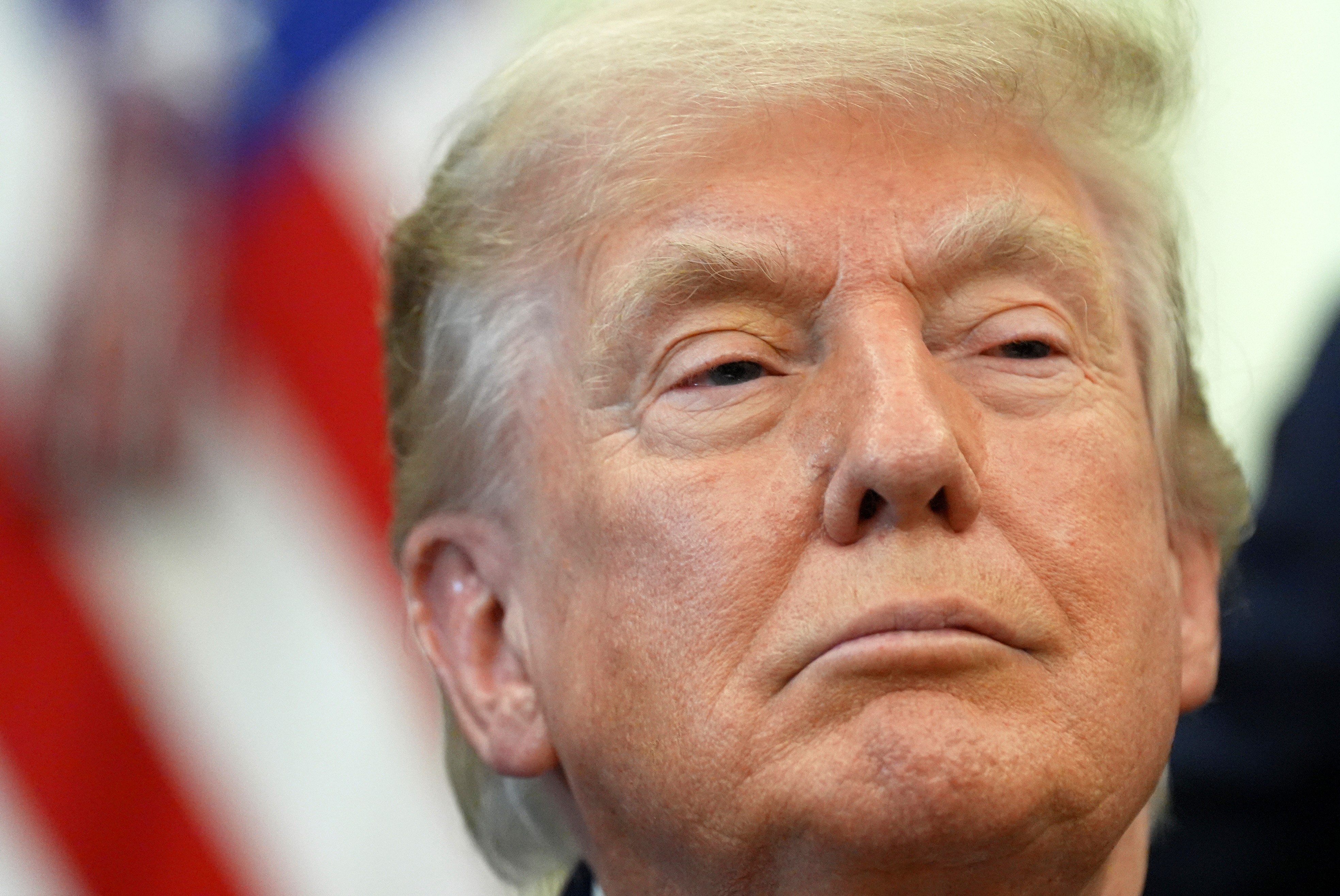
nbcconnecticut.com
Trump US Military Strike Killed Leader Tren De Aragua Gang Venezuela
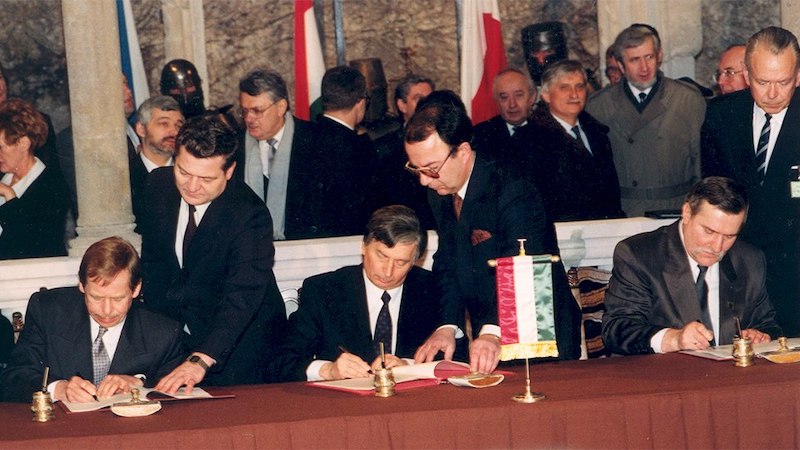
eurasiareview.com
13062026 can central europe once again punch above its weight analysis
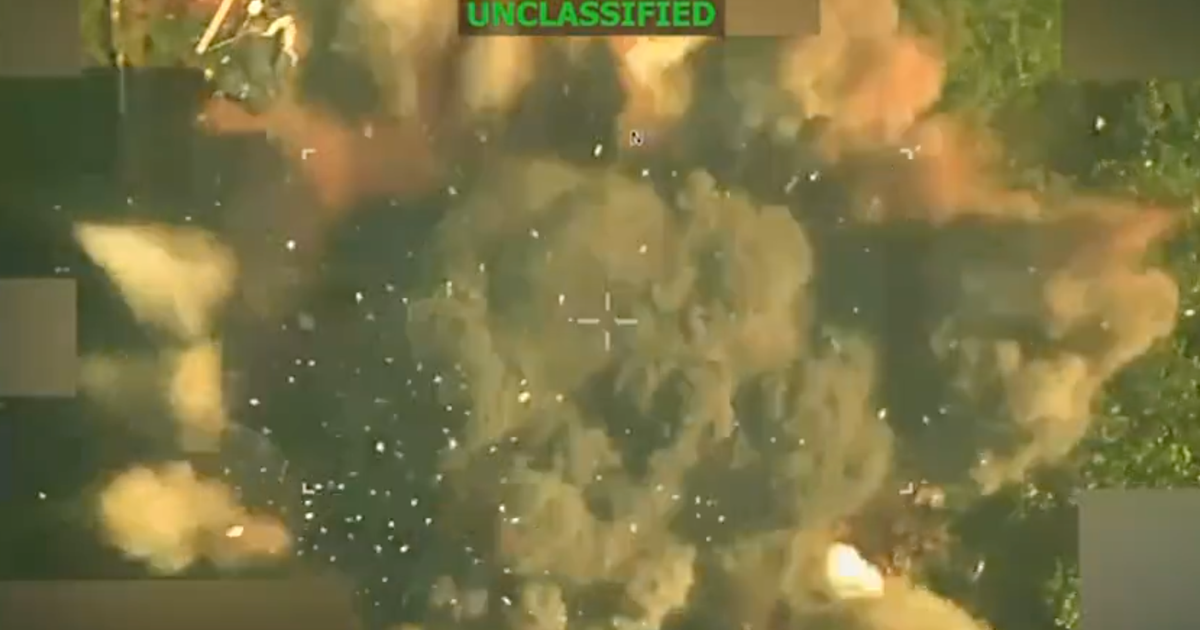
cbsnews.com
Trump Says U S Killed Tren De Aragua Leader Airstrike Nino Guerrero
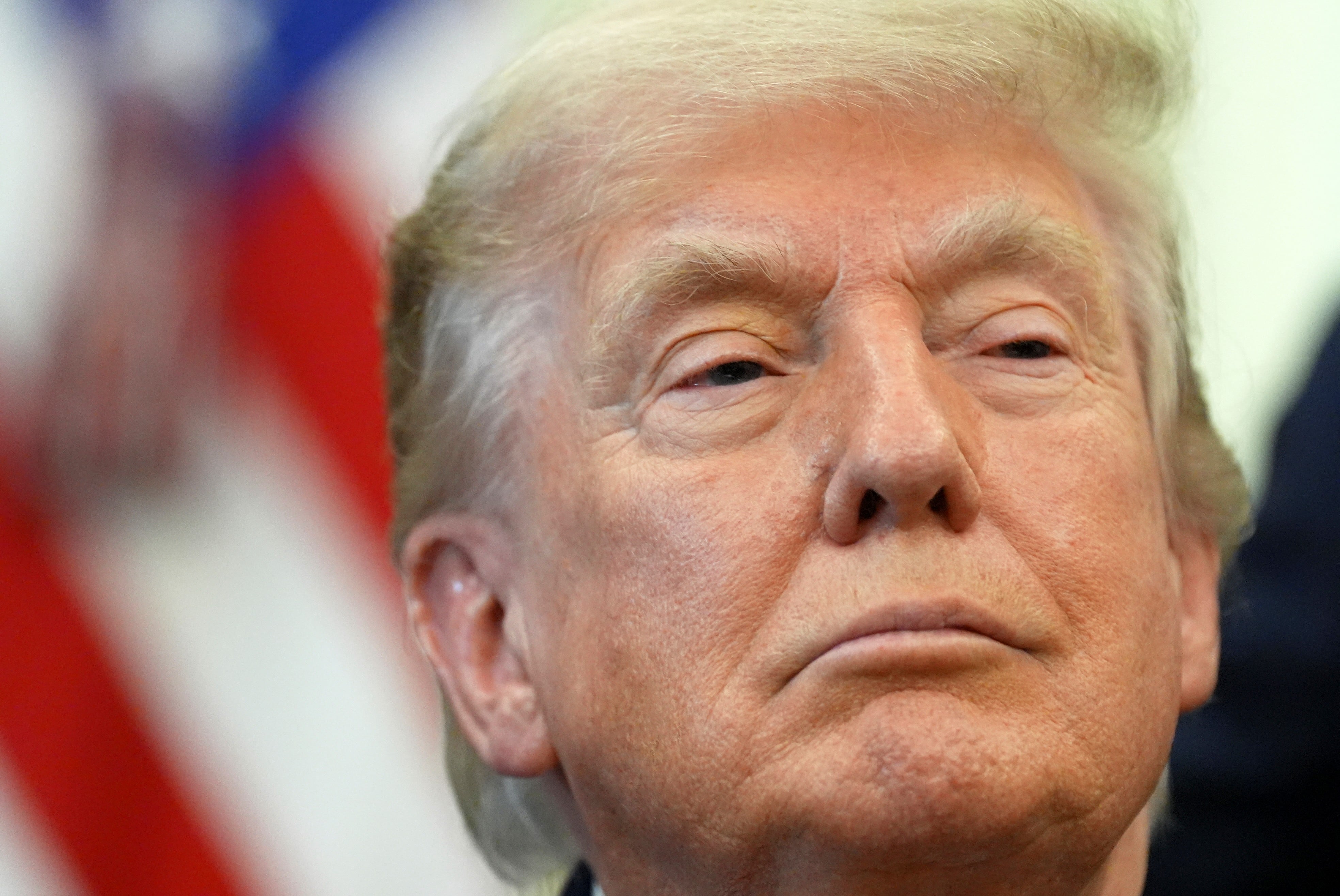
wdbo.com
Trump Says US

sun-sentinel.com