www.merkur.de · · DE
Trump Will Sehr Hart Zuschlagen USA Starten Neue Angriffe Auf Iran Zr
Topic context
The full article is on the original publisher site.
AI insight
AI-generatedUS attacks on Iran and threats in the Strait of Hormuz push global energy input costs (Brent/WTI) 2-4% higher within 48 hours, while sustained instability maintains a structural upward bias across oil and shipping rates. Main risk: The magnitude of these spikes may be materially overstated due to existing inventory buffers and potential demand destruction from a prolonged conflict.
The conflict escalation and direct attacks on maritime infrastructure (tanker off Oman) and threats against shipping lanes (Strait of Hormuz) create immediate supply chain risk. This directly impacts global oil/LNG transit costs, insurance premiums for vessels, and increases geopolitical risk premium embedded in crude oil pricing. The primary commercial mechanism is increased operational risk leading to higher logistics and energy input costs.
Signals our AI researcher identified
Extracted by our AI model from this article and related public sources — not direct quotes from the publisher.
- US launched attacks on multiple targets in Iran (June 11, 2026)
- Approximately 49 Tomahawk missiles were fired at Iranian military assets.
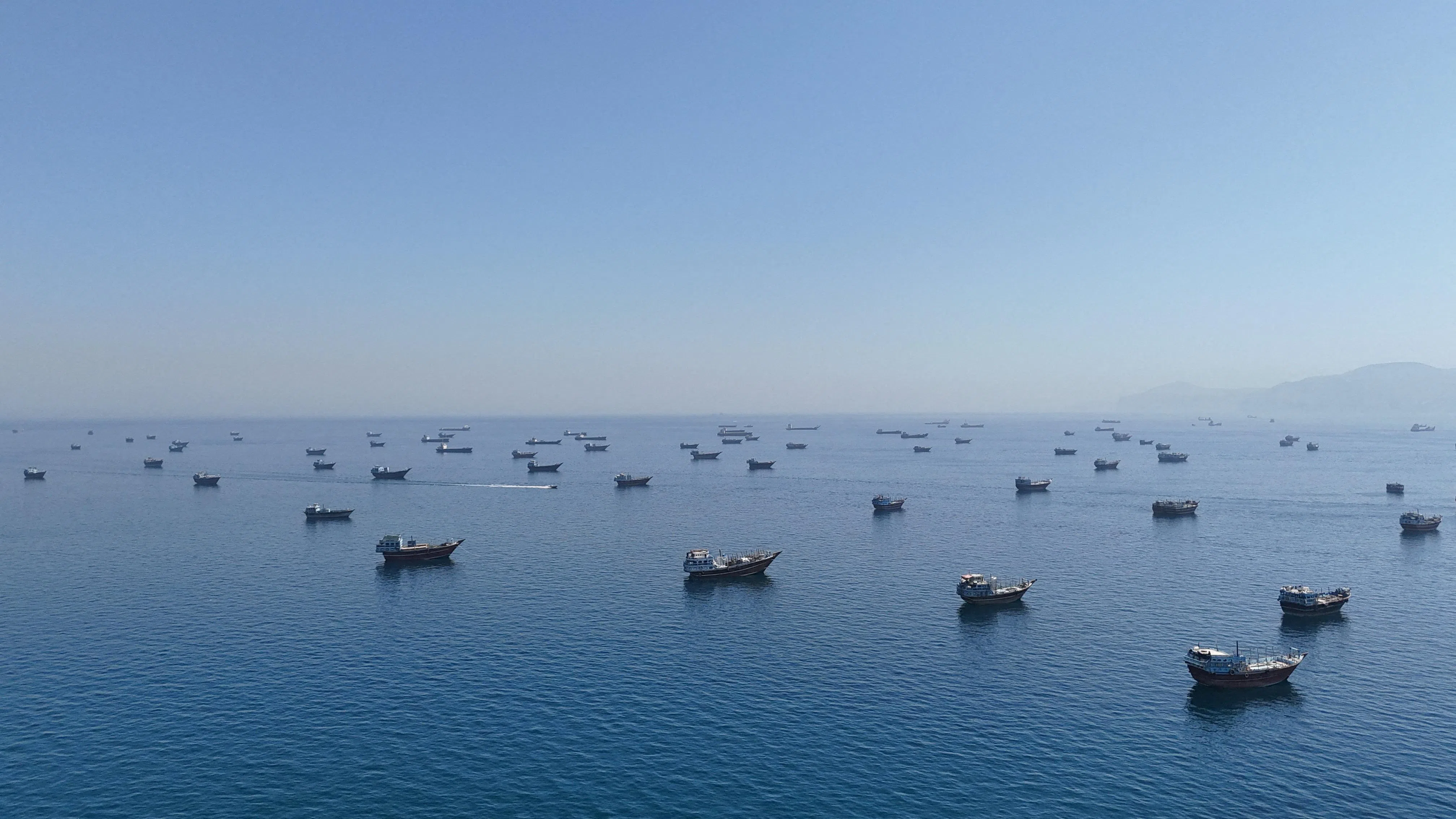
- Iran threatened to attack ships in the Strait of Hormuz.
- A US strike targeted a tanker off the coast of Oman.
Affected products & commodities
- Crude Oil (Brent/WTI)
- Liquefied Natural Gas (LNG)
- Maritime Insurance Premiums
- Shipping Freight Rates
Supply-chain signals
- Strait of Hormuz transit security
- Global tanker insurance rates
- Middle East oil export routes stability
Historical parallels
- Previous regional conflicts (e.g., Red Sea attacks) have historically caused immediate spikes in maritime insurance and freight costs, leading to temporary rerouting and capacity constraints for energy imports.
This analysis would be wrong if
If global inventories prove sufficient to absorb the supply shock, or if major consuming economies enter deep recession causing a sharp drop in commodity trade volumes.
Persistent conflict risk will maintain a structural upward bias on oil pricing and export margins over the medium term. The key risk is that buyers may not be able to absorb all cost increases.
Sign in to see all sector verdicts, full thesis and counter-argument debate.
Sector impact at a glance
- COMMODITY_OILmid
- COMMODITY_OILshort
- FX_EMshort
- GLOBAL_ENERGYmid
- GLOBAL_ENERGYshort
- LOGISTICS_SHIPPINGmid
- LOGISTICS_SHIPPINGshort
Related stories

laist.com
Trump Says US Military Strike Killed Leader of Tren De Aragua Gang
businesstimes.com.sg
Why Irans Threat Against Undersea Cables Could Be Bigger Weapon Oil

theglobeandmail.com
Article Artificial Intelligence Data Centre Investment Tech US Canada

texarkanagazette.com
Mending Clothes Makes a Comeback as a Way to Save

digit.in