timesofindia.indiatimes.com ·
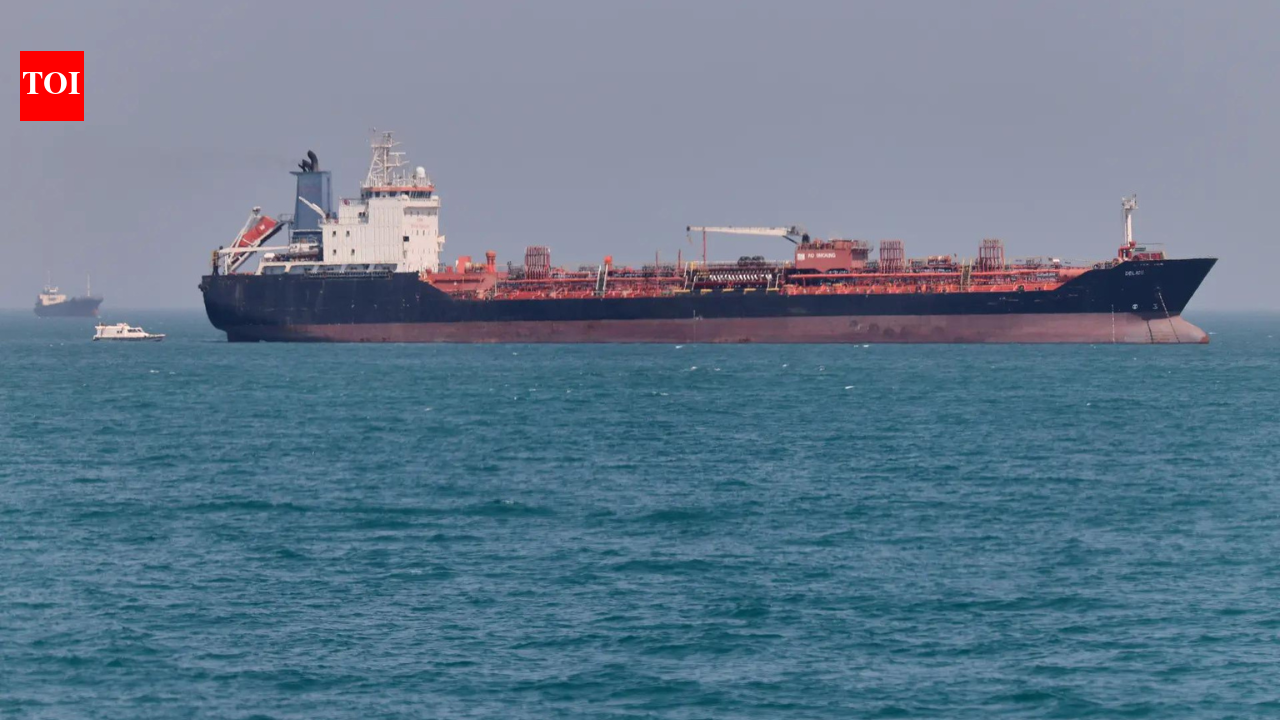
iran permits 30 vessels to pass through strait of hormuz overnight lebanon strikes israel top developments
Topic context
This topic has been covered 379893 times in the last 30 days across our monitored publishers.
The full article is on the original publisher site. This page only shows the headline and a very short excerpt.
AI insight
AI-generatedPartial easing of Strait of Hormuz restrictions by Iran reduces immediate oil supply disruption risk, but geopolitical tensions remain high. The channel is supply_shortage (temporary easing) and logistics (transit time/insurance). Impact is global for oil/gas prices, with regional risk premia for Middle East. Direct winners: oil importers (lower disruption risk); losers: tanker owners (lower freight rates if transit normalizes).
Signals our AI researcher identified
Extracted by our AI model from this article and related public sources — not direct quotes from the publisher.
- Iran allowed ~30 vessels, including Chinese ships, through Strait of Hormuz since Wednesday evening.
- Iran had controlled the waterway since Feb 28, requiring approval for commercial transit.
- U.S. working to extend Israel-Lebanon ceasefire expiring Sunday; renewed violence includes Israeli strikes on Hezbollah.
- Since March, Israeli strikes have caused over 2,800 deaths in Lebanon, including 200 children.
Global energy risk premium declines 1-2% as Strait of Hormuz transit resumes within 48h.
Sign in to see all sector verdicts, full thesis and counter-argument debate.
Sector impact at a glance
- EM_MARKETSshort
- GLOBAL_ENERGYshort
- LNG_NATGASshort
- LOGISTICS_SHIPPINGshort
- OIL_GAS_UPSTREAMshort
Related stories
scoop.co.nz
inhumanity of us economic sanctions against cuba infant mortality and starvation time to end new zealands silence

foreignpolicy.com
eu sanctions russia abductions ukraine children
finance.yahoo.com
dxp dxpe q1 2026 earnings 215803136
finance.yahoo.com
transcript valneva q1 2026 earnings 155143868
thehindubusinessline.com