economictimes.indiatimes.com
Positiveeconomictimes.indiatimes.com ·
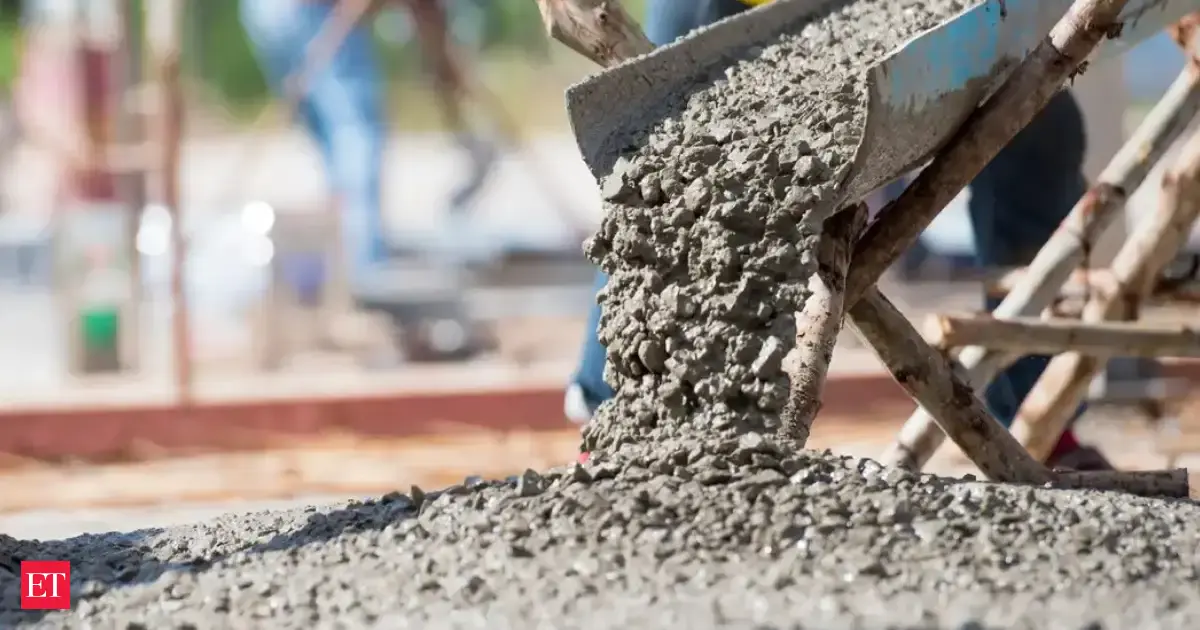
carbon free calcium rich basalt may help reduce emissions from cement industry by 80 pc study
SCIENCEENV_MININGPUBLIC_TRANSPORTEPU_ECONOMY_HISTORIC
The full article is on the original publisher site. This page only shows the headline and a very short excerpt.
AI insight
AI-generatedThe study presents a potential substitute for limestone in cement production, which could significantly reduce carbon emissions and energy costs. However, the mechanism is at a research stage with no immediate commercial impact. The primary affected product is cement, and the channel is substitute_pressure. Impact is global but long-term and uncertain.
Signals our AI researcher identified
Extracted by our AI model from this article and related public sources — not direct quotes from the publisher.
- Cement production contributes 8% of global CO2 emissions.
- Using basalt instead of limestone could reduce CO2 emissions by over 80%.
- Emissions could be as low as 43-59 kg CO2 per tonne of cement.
- Basalt reserves are sufficient for hundreds of thousands of years at current production levels.
- The process requires 40% less energy than conventional cement production.
Related stories

scoop.co.nz
inhumanity of us economic sanctions against cuba infant mortality and starvation time to end new zealands silence

finance.yahoo.com
health tech q1 2026 earnings 215402558
finance.yahoo.com
lyft lyft q1 2026 earnings 232419002
finance.yahoo.com
amdocs dox q2 2026 earnings 222614427
finance.yahoo.com