asianews.network ·
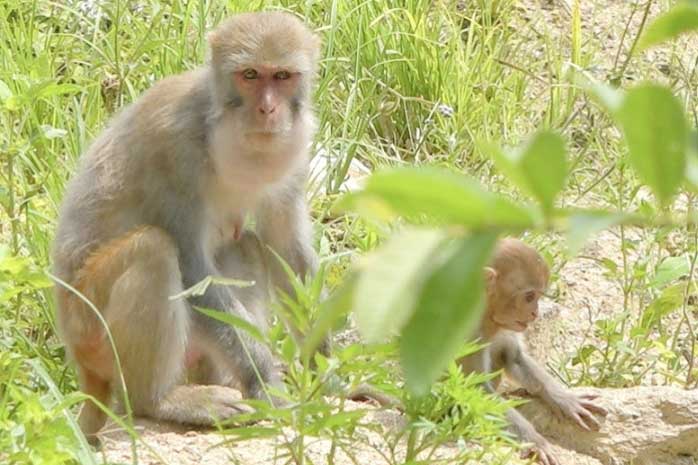
Monkey Menace Pushing Farmers Out of Nepals Hill Villages
Topic context
This topic has been covered 429091 times in the last 30 days across our monitored publishers.
The full article is on the original publisher site. This page only shows the headline and a very short excerpt.
AI insight
AI-generatedThe article describes a wildlife conflict in Nepal's hill villages where rhesus monkeys are destroying crops, leading to farmer migration and abandonment of agriculture. The commercial mechanism is weak: it affects local subsistence farming and smallholder livelihoods, but no specific commodity price, company margin, or supply chain disruption is reported. The impact is region-specific to Nepal's mid-hills, with no direct global or national market price signal. (not specified) for winners/losers.
Signals our AI researcher identified
Extracted by our AI model from this article and related public sources — not direct quotes from the publisher.
- Rhesus monkeys cause significant crop destruction in Nepal's mid-hill region.
- Monkeys now rely on human crops for 55% of their food.
- Nearly 600 applications filed for wildlife-related damages between 2022-2026.
- Around 1,700 people migrate annually from Arghakhanchi due to agricultural challenges.
- Nepal's monkey population estimated at 500,000, requiring 1,000 metric tonnes of food daily.
Related stories
finance.yahoo.com
Ncmi Q1 2026 Earnings Transcript

economictimes.indiatimes.com
Petrol Diesel Price Hike Rs 3 Per Litre India Food Inflation Retail Growth Iran War Impact Rbi Crude Oil
finance.yahoo.com
Polypid Pypd Q1 2026 Earnings
finance.yahoo.com
Transcript Valneva Q1 2026 Earnings
finance.yahoo.com