www.latintimes.com ·
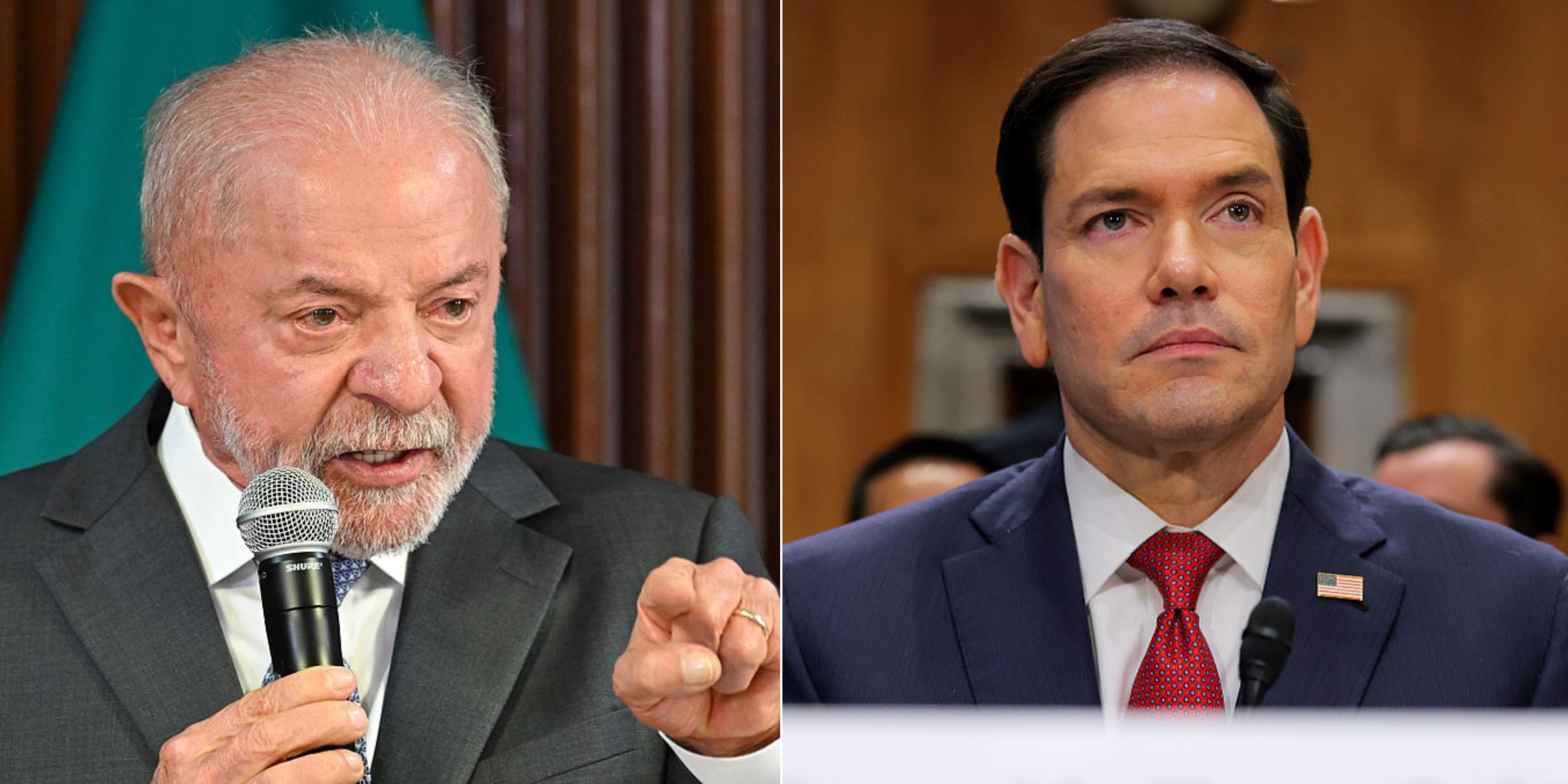
Lula Brands Marco Rubio Mortal Enemy Latin America Trump Admin Targets Brazil New Tariff
News Analysis — AI Analysis
Original analysis generated by News Analysis. This is our own commentary on the story, not the publisher's article text.
Brazilian President Lula Da Silva accused U.S. Secretary of State Marco Rubio of having negative feelings toward Latin America and dismissed the threat of new tariffs against Brazil as politically motivated. The dispute escalated after the U.S. Trade Representative cited unfair practices regarding social media, intellectual property, and deforestation, threatening a 25% tariff on Brazilian goods. Lula suggested that these actions were influenced by political maneuvering involving Trump's recent meeting with Flávio Bolsonaro.
Key points
- Lula Da Silva accused Marco Rubio of disliking Latin America and dismissed U.S. tariff threats as politically motivated.
- The dispute intensified after the U.S. Trade Representative threatened a 25% tariff on Brazilian goods over alleged unfair trade practices.
- Lula suggested that the pressure campaign was linked to Trump's public praise of Flávio Bolsonaro, son of former President Jair Bolsonaro.
- The tariff threat followed days after the Trump administration designated Brazil’s two largest criminal organizations as foreign terrorist groups.
- Despite the tensions, Lula stated that Brazil would seek alternative markets if the U.S. proceeds with additional tariffs.
Claims assessed
- VerifiableThe U.S. Trade Representative accused Brazil of unfair trade practices concerning social media regulation, intellectual property, and deforestation policies.
- VerifiableLula Da Silva stated that the tariff announcement was made despite ongoing negotiations agreed upon during a recent meeting with Donald Trump.
- VerifiableThe designation of Brazil's two largest criminal organizations as foreign terrorist groups occurred shortly before the trade dispute escalated.
Missing context
The article does not provide details regarding the specific trade practices cited by the USTR or the full context of the 'ongoing negotiations' Lula referenced with President Trump.
Topic context
Related topics
The full article is on the original publisher site.
AI insight
AI-generatedEscalating US-Brazil trade tensions push BRL/USD and Brazilian assets down in the short term (1-3% depreciation); COMMODITY_EXPORT and GLOBAL_INDUSTRIALS face immediate margin pressure. Key risk: The actual directional move is likely moderated by central bank intervention or diplomatic de-escalation, preventing a full sell-off.
The threat of a 25% tariff on Brazilian goods creates significant input cost pressure (tariffs) and potential revenue loss for Brazilian exporters. This is a trade dispute mechanism, forcing Brazil to seek alternative markets or renegotiate terms with the US, impacting EM_MARKETS stability and potentially triggering FX pass-through effects against BRL.
Signals our AI researcher identified
Extracted by our AI model from this article and related public sources — not direct quotes from the publisher.
- US threat of 25% tariff on Brazilian goods.
- Brazilian President Lula da Silva accuses US officials (Marco Rubio) of animosity towards Latin America.
- Tensions escalate months before Brazil's presidential election.
- US designated Brazil's largest criminal organizations as foreign terrorist groups.
Affected products & commodities
- Brazilian goods
- Exempted/Alternative export commodities from Brazil
Supply-chain signals
- US-Brazil trade relations
- Tariff implementation risk on Brazilian exports
Historical parallels
- Previous US tariff actions (e.g., Section 301) have historically led to temporary slowdowns in affected export sectors and forced trade diversification, causing short-term volatility in the local currency.
This analysis would be wrong if
If the US tariff threat fails to translate into concrete regulatory action within 48 hours, or if Brazil announces an immediate major non-US trade agreement.
Escalating US-Brazil trade tensions create immediate volatility and downward pressure on Brazilian assets. The BRL index faces a potential 1-3% depreciation risk in the short term (48h), driven by uncertainty.
Sign in to see all sector verdicts, full thesis and counter-argument debate.
Sector impact at a glance
- EM_MARKETSmid
- EM_MARKETSshort
- FX_USDshort
- GLOBAL_INDUSTRIALSshort
Related stories
deccanchronicle.com
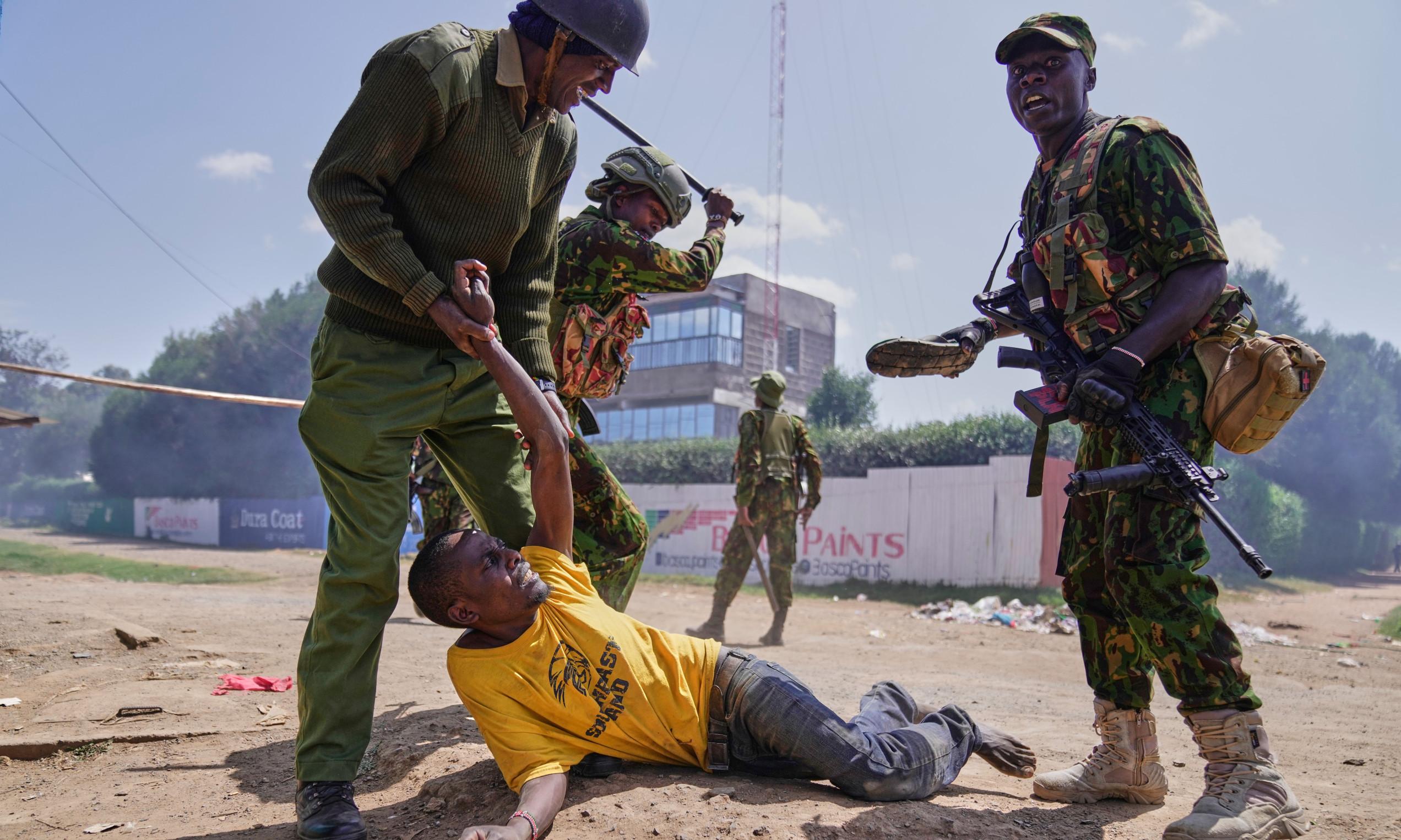
Kenyan Protester Killed at Demonstration Against US Ebola Facility

scroll.in
Why the Trinamool Congress Is Collapsing Like a House of Cards
citizen.co.za
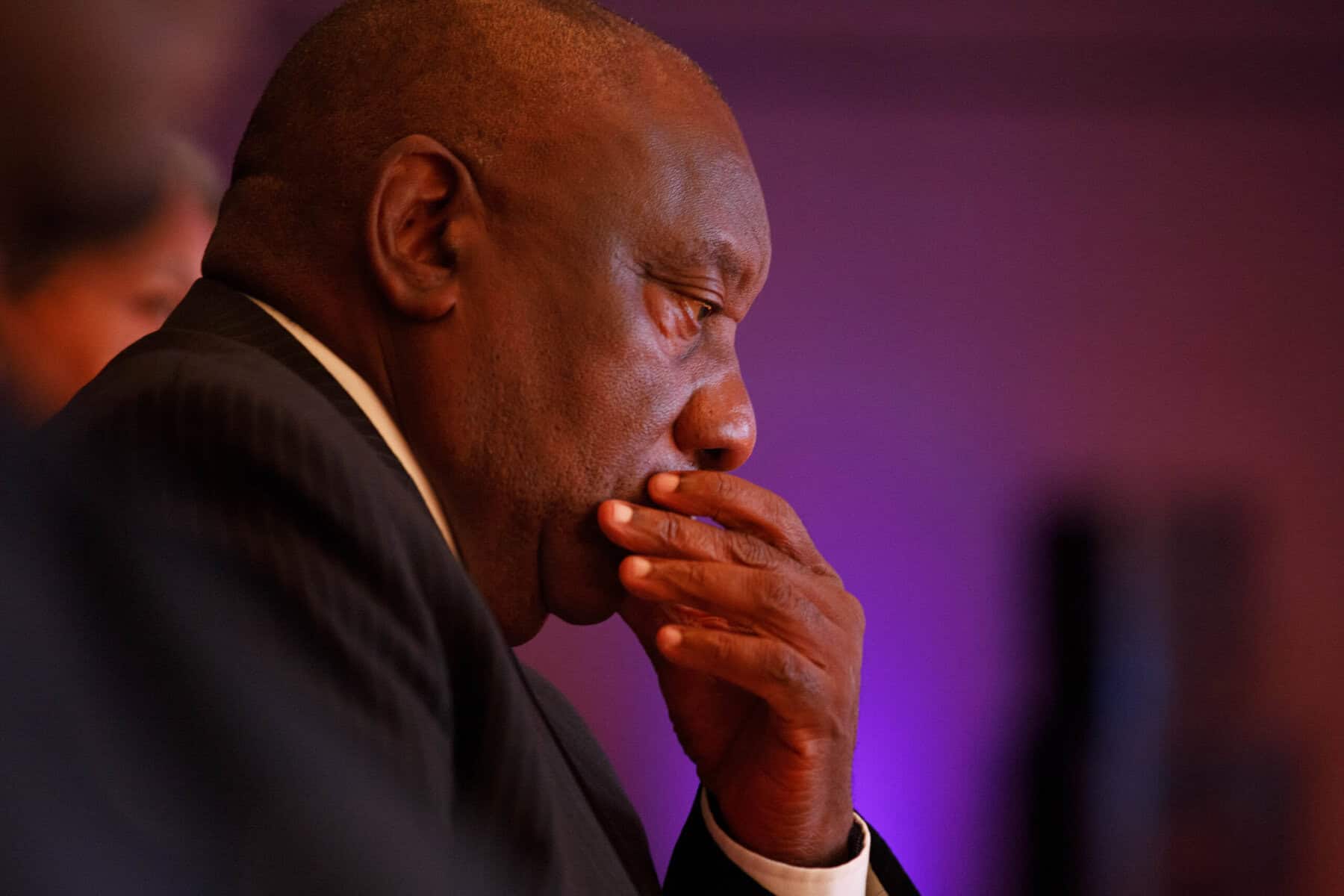
Ramaphosa Walks Tightrope on Migration Crisis
organiser.org
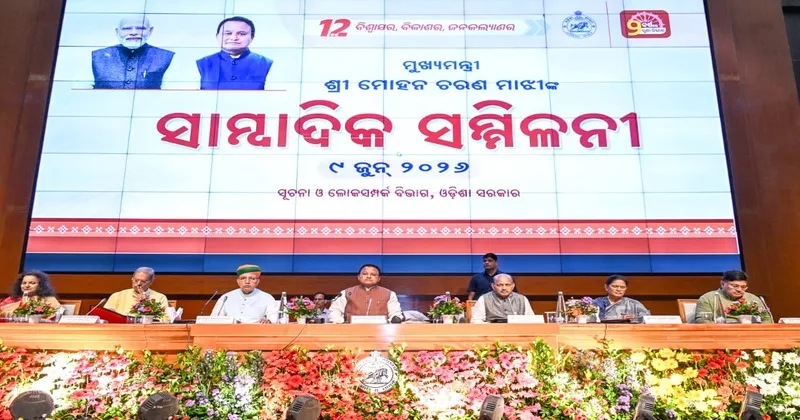
Pm Modis 12 Years of Governance Marks Era of Transformation Growth Global Recognition Odisha Cm Mohan Majhi

dailykos.com